




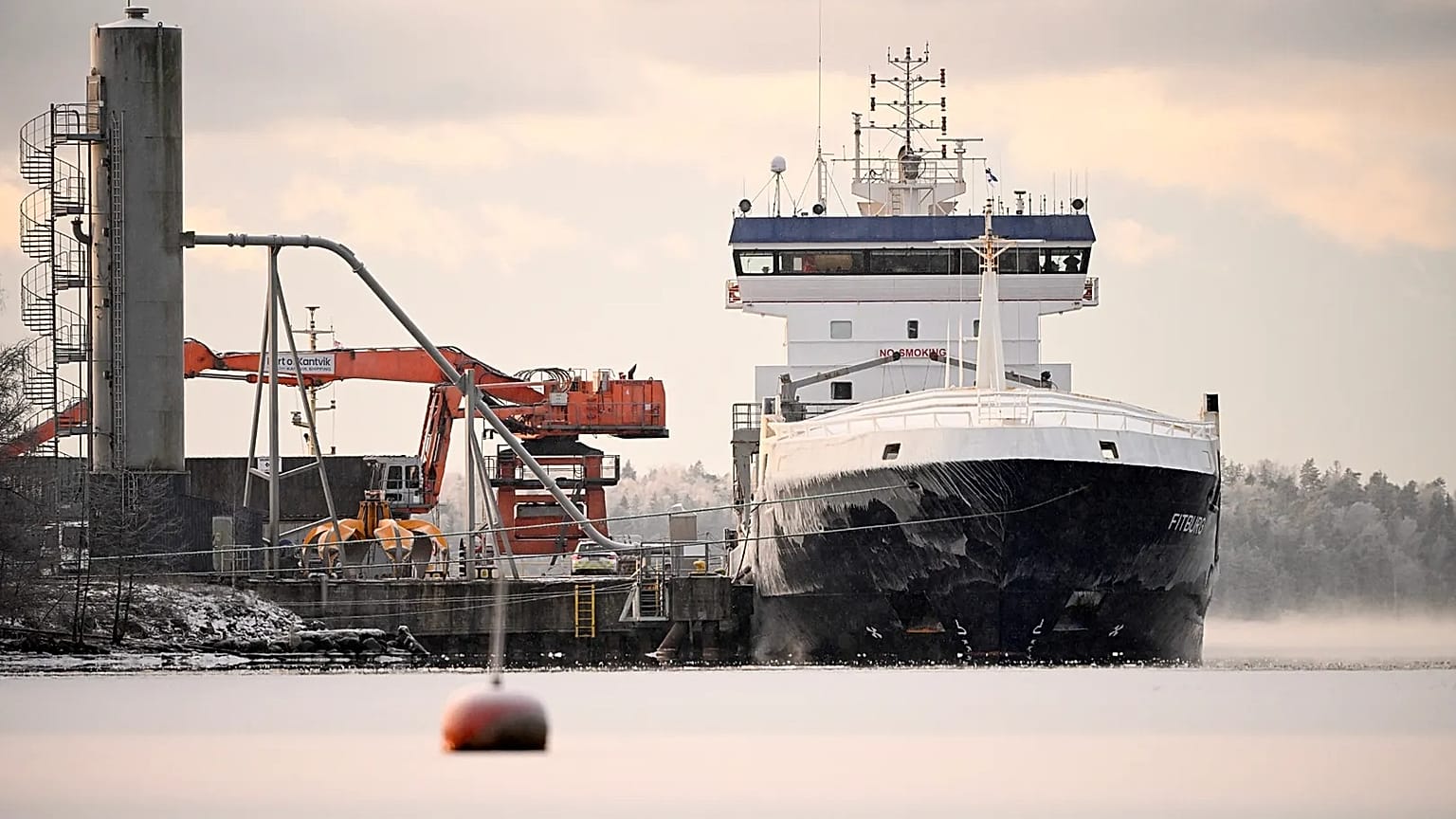













The vessel, flagged from St Vincent and the Grenadines, is believed to have dragged its anchor along the seabed for several kilometres, according to Finnish authorities.
Authorities in Finland released a vessel on Monday that had been seized on suspicion of damaging an undersea cable linking Helsinki and Estonia's capital Tallinn on 31 December, though one crew member remains in custody, police said.
 ADVERTISEMENT
ADVERTISEMENT
ADVERTISEMENT
Three other crew members remain subject to a travel ban as Finnish authorities continue their investigation.
The Fitburg, a 132-metre-long cargo ship that had left St Petersburg in Russia and was sailing to the Israeli port of Haifa was detained on New Year's Eve following suspicion that the ship's anchor had damaged a telecoms cable in the Gulf of Finland.
"The Finnish and Estonian police have completed their work on board the vessel and the seizure can therefore be lifted," the head of the investigation, Risto Lohi of the National Bureau of Investigation, said in a statement.
Under the Border Guard's supervision, the Fitburg set sail from the Kantvik harbour in Kirkkonummi on Monday at around 11:00 am local time, police said.
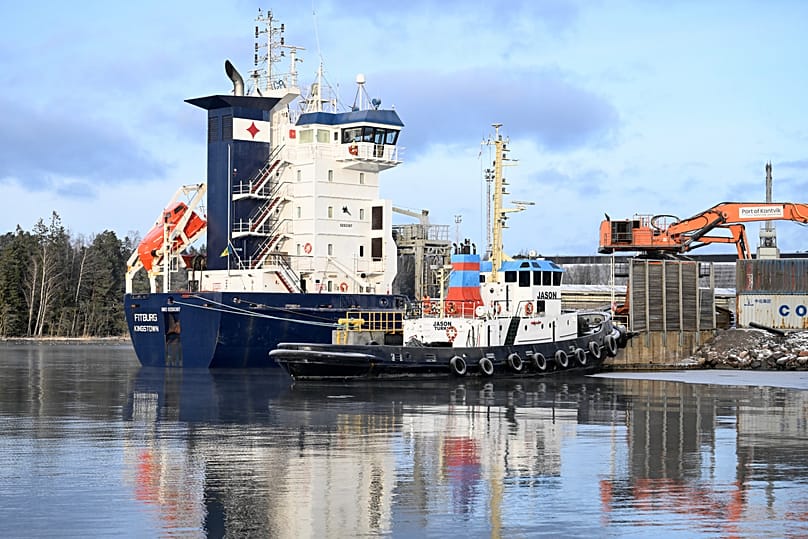
Authorities are investigating the incident as "aggravated criminal damage, attempted aggravated criminal damage and aggravated interference with telecommunications."
The vessel, flagged from St Vincent and the Grenadines, is believed to have dragged its anchor along the seabed for several kilometres, according to Finnish authorities.
Of the vessel's 14 crew members from Russia, Georgia, Azerbaijan and Kazakhstan, one person remains in custody, while three others are subject to a travel ban.
Finnish customs last week determined that the cargo of steel products was subject to sanctions against Russia but no criminal investigation was launched as the products were only brought into Finnish territorial waters when authorities ordered the ship to move.
Meanwhile, an inspection by the Finnish Transport and Communications Agency found no severe deficiencies in the ship.
Finnish telecoms group Elisa owns the cable, which is located in Estonia's exclusive economic zone.
Similar incidents
Since Russia's full-scale invasion of Ukraine in February 2022, many experts and political leaders have viewed suspected sabotage of undersea cables as part of a hybrid war carried out by Russia against Western countries.
In December 2024, Finnish authorities boarded the Russian-linked oil tanker Eagle S which investigators said had damaged power cables and telecommunications links in the Baltic Sea by dragging its anchor along the seabed.
That case was dismissed by a Finnish court in October after prosecutors failed to prove intent.
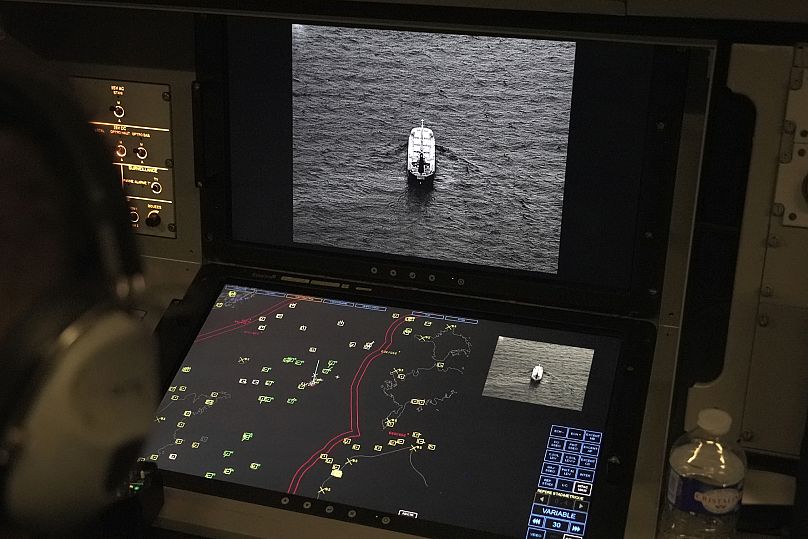
Eight NATO countries bordering the Baltic Sea, which also borders Russia, have been on high alert following a series of incidents that damaged undersea power cables, telecoms links and gas pipelines.
Those incidents have generally been regarded as deliberate acts of sabotage suspected of being linked to Russia and have prompted NATO to boost its presence in the region with patrol frigates, aircraft and naval drones.
Both NATO and the EU have also been on high alert following a string of airspace violations, thought to be from Russia.