




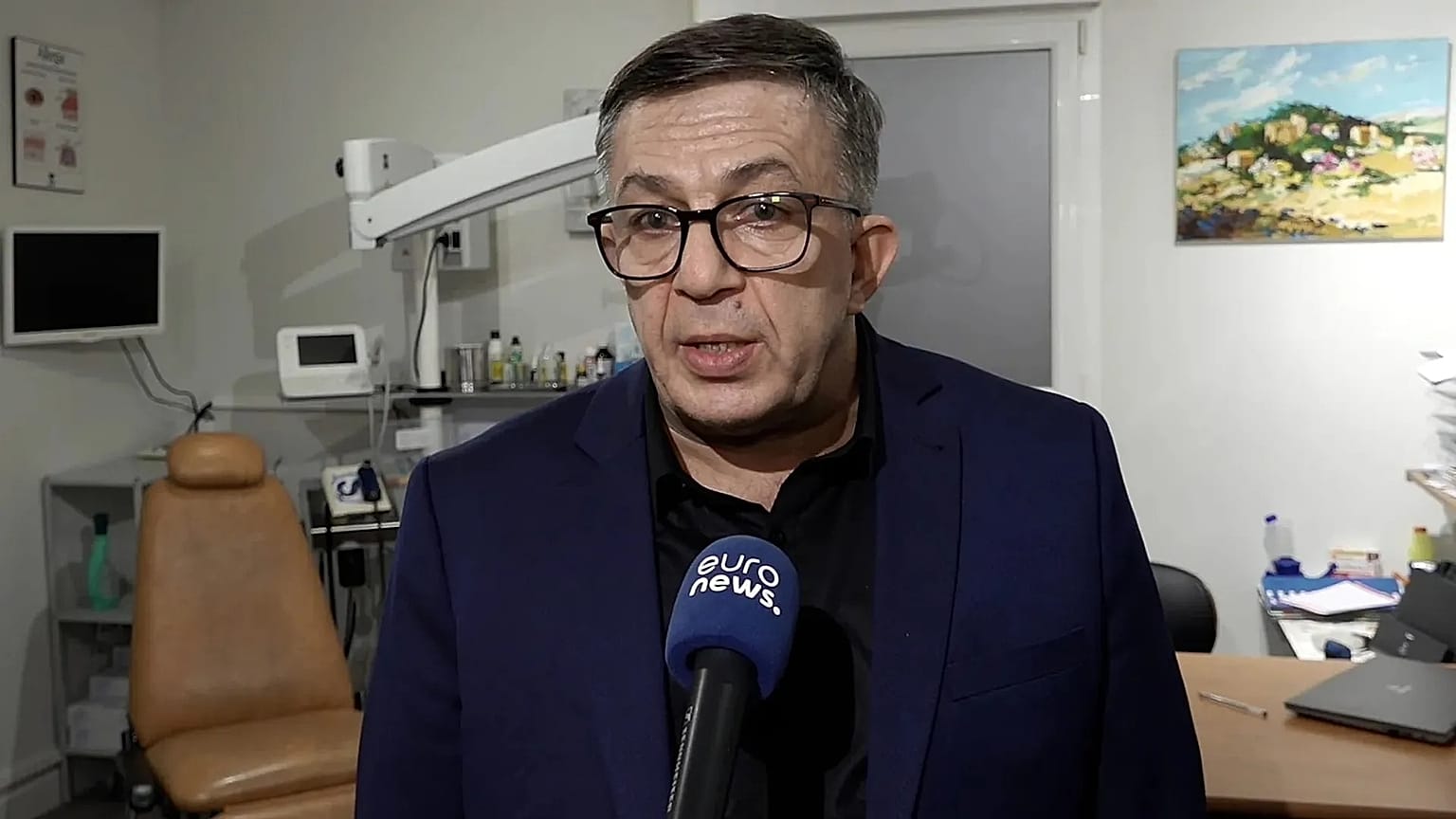














Exiled in France since 1986, Mahmoud Moradkhani is a doctor and an opponent of the Iranian regime. The nephew of Iran's ayatollah tells Euronews that the security crackdown will not end the demonstrations.
At a time when Iran has violently suppressed vast protests in the country, Ayatollah Ali Khamenei's nephew tells Euronews that his uncle will resist "until the last drop of blood."
 ADVERTISEMENT
ADVERTISEMENT
ADVERTISEMENT
Now an ENT doctor in northern France, Mahmoud Moradkhani is a long-standing opponent of the Iranian regime.
He fled Iran at the age of 22 via Iraq and arrived in France in 1986, seven years after the 1979 Islamic Revolution.
He says he hopes his uncle will one day be arrested and put on trial.
**"**I don't think he'll give up. Ali Khamenei is one of those dictators like Ceaușescu. They will stay until the last minute. They will believe in their truth, their words. They cannot accept anything else and they will resist to the last drop of blood", the 62-year-old doctor says.
Unprecedented repression
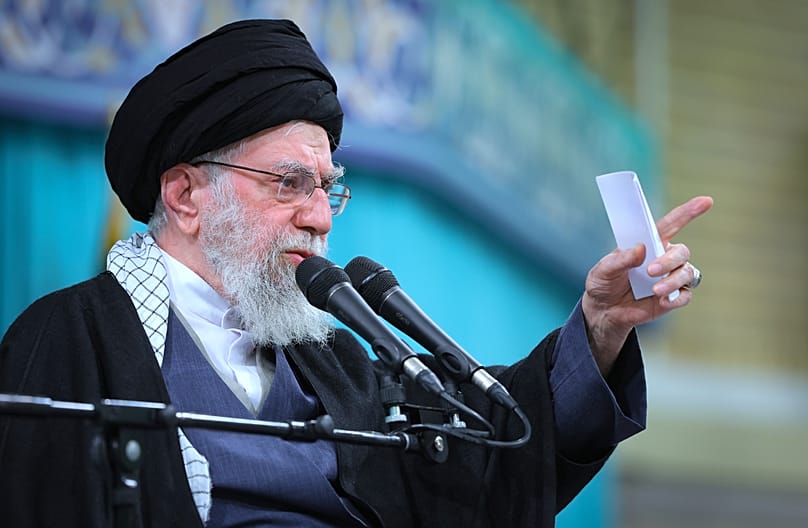
Khamenei said on Saturday that the protests had left "several thousand" people dead and blamed the United States.
It was the first indication from an Iranian leader of the extent of the casualties.
The death toll from the protests has reached at least 4,519 people, the US-based Human Rights Activists News Agency said.
The agency has been accurate throughout the years on demonstrations and unrest in Iran, relying on a network of activists inside the country that confirms all reported fatalities.
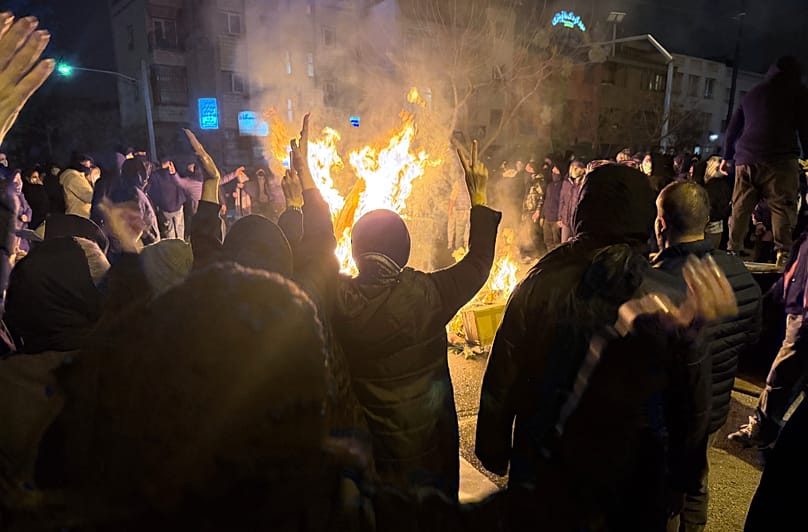
Mahmoud Moradkhani believes that the true death toll is much higher.
"The regime really sensed a danger this time and wanted to be much more violent to calm the population," he says, adding that the majority of Iranians will "never accept the regime."
The NGO Iran Human Rights reports that the security forces used heavy weapons, including DShK machine guns, against the demonstrators.
The doctor believes that the crackdown will not sound the death knell for the demonstrations.
"The crackdown is a way of temporarily calming things down. We've seen this in previous years, on several occasions, and of course the number of people killed meant that people stayed at home. But it's a fire under the ashes and one of these days, certainly not very far away, they're going to wake up, the regime will still be in danger and challenged by the people,"he explains.
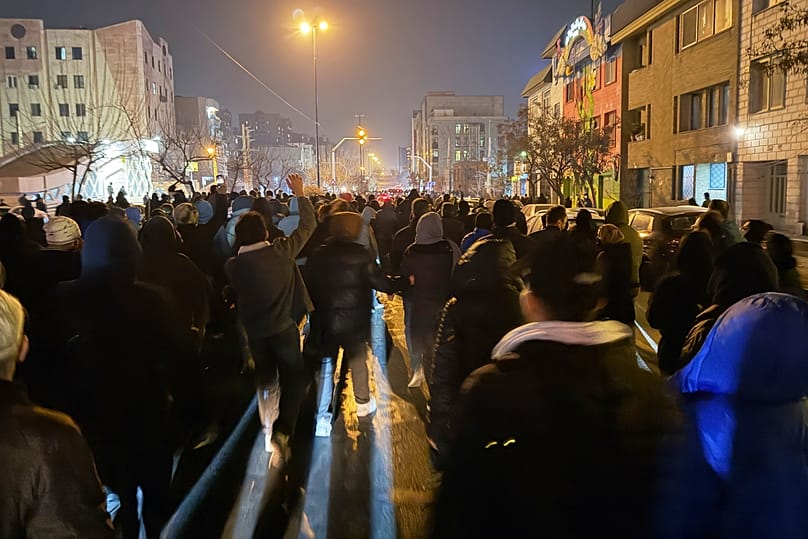
He regrets that the Iranian opposition is not more organised. "I think that taking to the streets, street demonstrations, should be the last stage of a revolution. And the revolution must be more carefully thought out, more programmed, prepared in advance," he says.
Moradkhani believes that the regime will collapse of its own accord on the death of the Supreme Leader because of internal rivalries. He prefers this scenario to outside intervention, which he believes could lead to anarchy and terrorism.
Sense of abandonment
In regular contact with his home country, Moradkhani thinks some demonstrators feel betrayed by US President Donald Trump, who initially supported them.
"The demonstrators, the Iranians, believed that Trump would do something and help them militarily. After what happened in Venezuela, there was hope," he says, while making it clear that he disagrees with the US government's policy.
He expects the Europeans to sever their diplomatic ties with the regime and declare the Revolutionary Guards a terrorist organisation.
"If we help the Iranian people diplomatically and politically, if we succeed in overthrowing this regime, we will see that afterwards things will be much clearer and much more stable for the region and for the world," Moradkhani says, adding that he would like to see a diplomatic transition and the establishment of a republic in Iran.
For the time being, while some observers claim that Ayatollah Ali Khamenei wants to appoint his son Mojtaba as his successor, Mahmoud Moradkhani believes that the Iranian Supreme leader has not prepared his succession and is "not yet thinking about his death."