




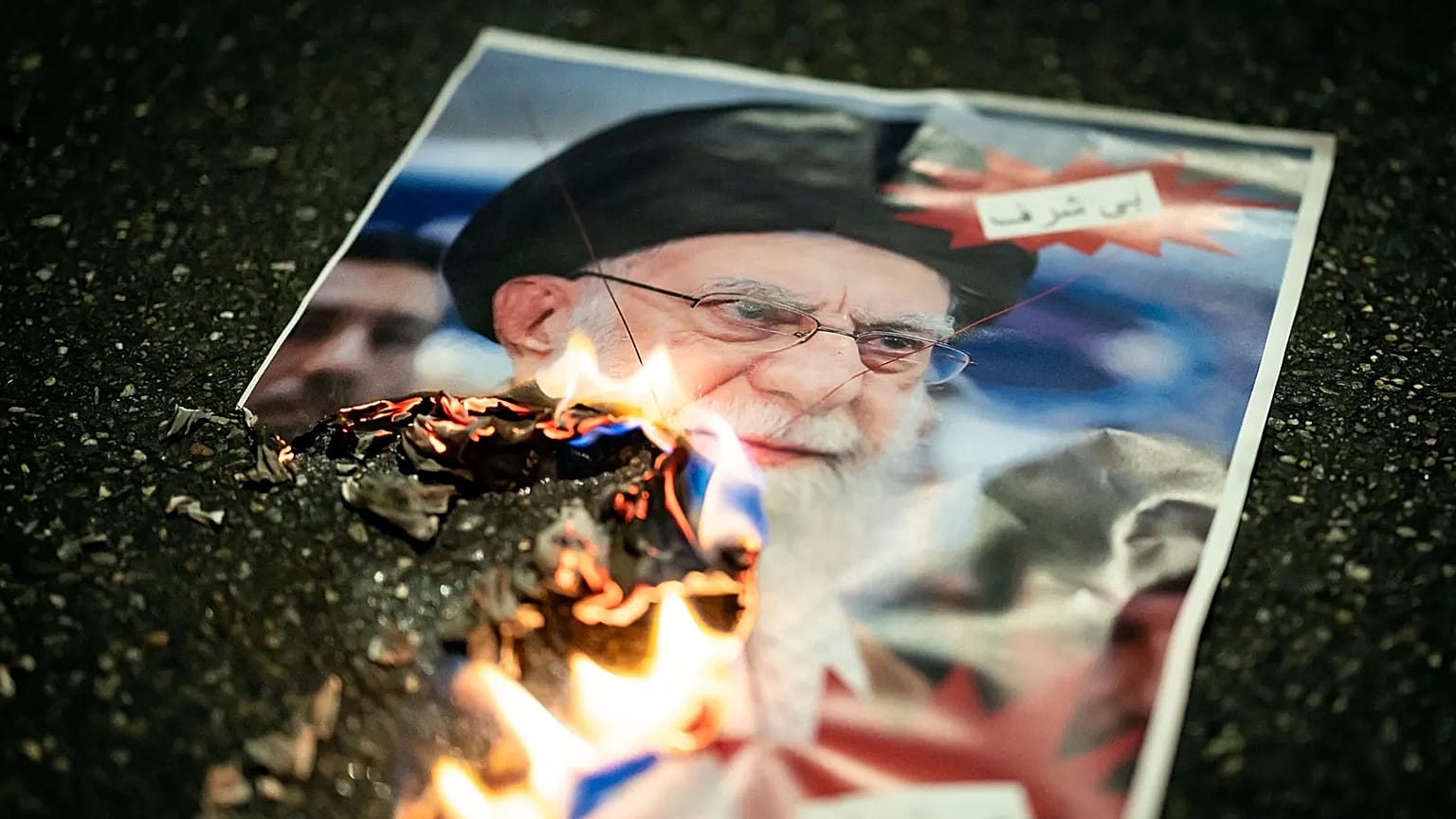













Meanwhile, the head of the Islamic Revolutionary Guard Corps said Iran was ready to respond "decisively" to its enemies, accusing the US and Israel of being behind the protests.
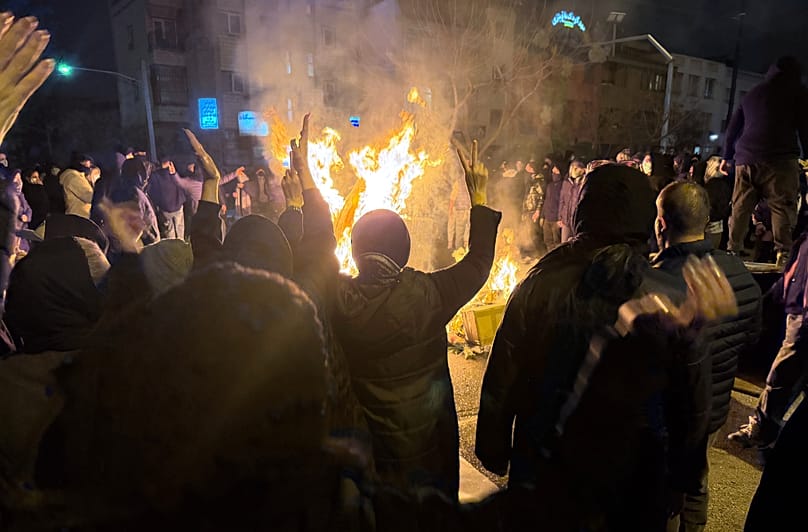
Iranian security forces have killed at least 3,428 protesters in a crackdown on demonstrations, the Norway-based Iran Human Rights (IHR) NGO said on Wednesday, adding that more than 10,000 people had also been arrested.
 ADVERTISEMENT
ADVERTISEMENT
ADVERTISEMENT
IHR said the jump in its verified toll was due to new information it received from within the Iranian health and education ministries, with at least 3,379 of the killings coming during the height of the protest movement from 8-12 January.
"Following the mass killing of protesters on the streets in recent days, the Islamic Republic’s judiciary is threatening protesters with large-scale executions. The international community must take these threats extremely seriously, because officials of the Islamic Republic committed similar crimes in the 1980s in order to hold onto power," IHR's director Mahmood Amiry-Moghaddam said in a statement.
Those comments come after the head of Iran's judiciary signalled on Wednesday there would be fast trials and executions ahead for suspects detained in the protests, despite repeated warnings from President Donald Trump that the US might take military action if demonstrators are killed.
"If we want to do a job, we should do it now. If we want to do something, we have to do it quickly," Gholamhossein Mohseni-Ejei said in a video shared on Iranian state television.
"If it becomes late, two months, three months later, it doesn't have the same effect. If we want to do something, we have to do that fast."
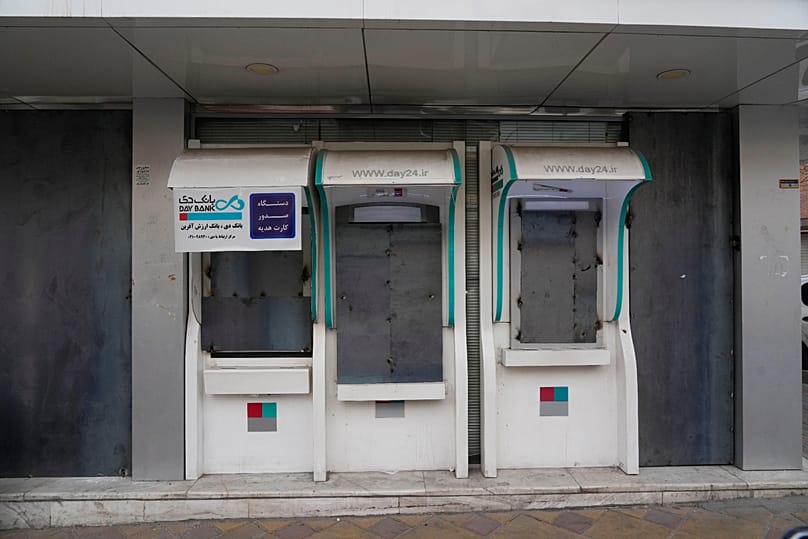
The demonstrations began on 28 December, initially over the collapse of the rial currency, as the country's economy is squeezed by international sanctions levied in part over its nuclear programme.
Trump has repeatedly warned about potential US military action over the killing of peaceful protesters, just months after American forces bombed Iranian nuclear sites during a 12-day conflict launched by Israel against the Islamic Republic in June.
"If they do such a thing, we will take very strong action," Trump told CBS on Tuesday.
In astatement on Wednesday, the foreign ministers of the G7 countries said they were "gravely concerned" by the security crackdown on protesters in Iran.
"We are deeply alarmed at the high level of reported deaths and injuries. We condemn the deliberate use of violence and the killing of protestors, arbitrary detention, and intimidation tactics by security forces against demonstrators," the statement said.
"We urge the Iranian authorities to exercise full restraint, to refrain from violence, and to uphold the human rights and fundamental freedoms of Iran's citizens, including the rights to freedom of expression, to seek, receive and impart information, and the freedom of association and peaceful assembly, without fear of reprisal."
Iran, meanwhile, has threatened it could make a pre-emptive strike after alleging without offering evidence that Israel and the United States has orchestrated the protests.
On Wednesday, the head of the Islamic Revolutionary Guard Corps said Iran was ready to respond "decisively" to its enemies, accusing their leaders of being behind the protests.
The Guards are at "the height of readiness to respond decisively to the miscalculation of the enemy," said IRGC Commander Mohammad Pakpour in a written statement quoted by state television, accusing US President Donald Trump and Israeli Prime Minister Benjamin Netanyahu of being the "murderers of the youth of Iran."
In other developments on Wednesday, a mass funeral was held for some 100 security force members killed in the demonstrations.
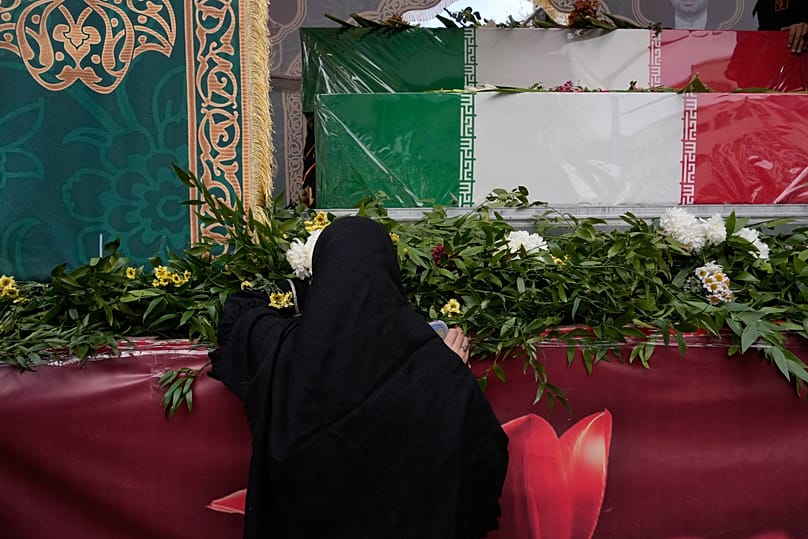
Tens of thousands of mourners attended, holding Iranian flags and photos of Ayatollah Ali Khamenei.
The caskets, draped in Iranian flags, stood stacked at least three high. Red and white roses and framed photographs of the dead covered them.
Elsewhere, people remained fearful in the streets. Plainclothes security forces still circulated around some neighbourhoods, though anti-riot police and members of the paramilitary Revolutionary Guard's all-volunteer Basij force appeared to have been sent back to their barracks.
"We are very frightened because of these sounds (of gunfire) and protests," said a mother of two shopping for food, who spoke on condition of anonymity for fear of reprisals.
"We have heard many are killed and many are injured. Now peace has been restored, but schools are closed, and I'm scared to send my children to school again."