


















Germany is increasing its Arctic commitments after the US president threatened to seize Greenland, sparking a diplomatic crisis with Europe.
Germany said Sunday it was ready to assume greater responsibilities in the Arctic after US President Donald Trump threatened to seize Greenland "one way or the other", sparking a diplomatic crisis between Washington and its European allies.
 ADVERTISEMENT
ADVERTISEMENT
ADVERTISEMENT
German Foreign Minister Johann Wadephul said Berlin would increase its Arctic commitments while rejecting Trump's threats against the mineral-rich Danish territory.
"Security in the arctic is becoming more and more important and is part of our common interest in NATO," Wadephul said at a joint news conference with Iceland's foreign minister in Reykjavik.
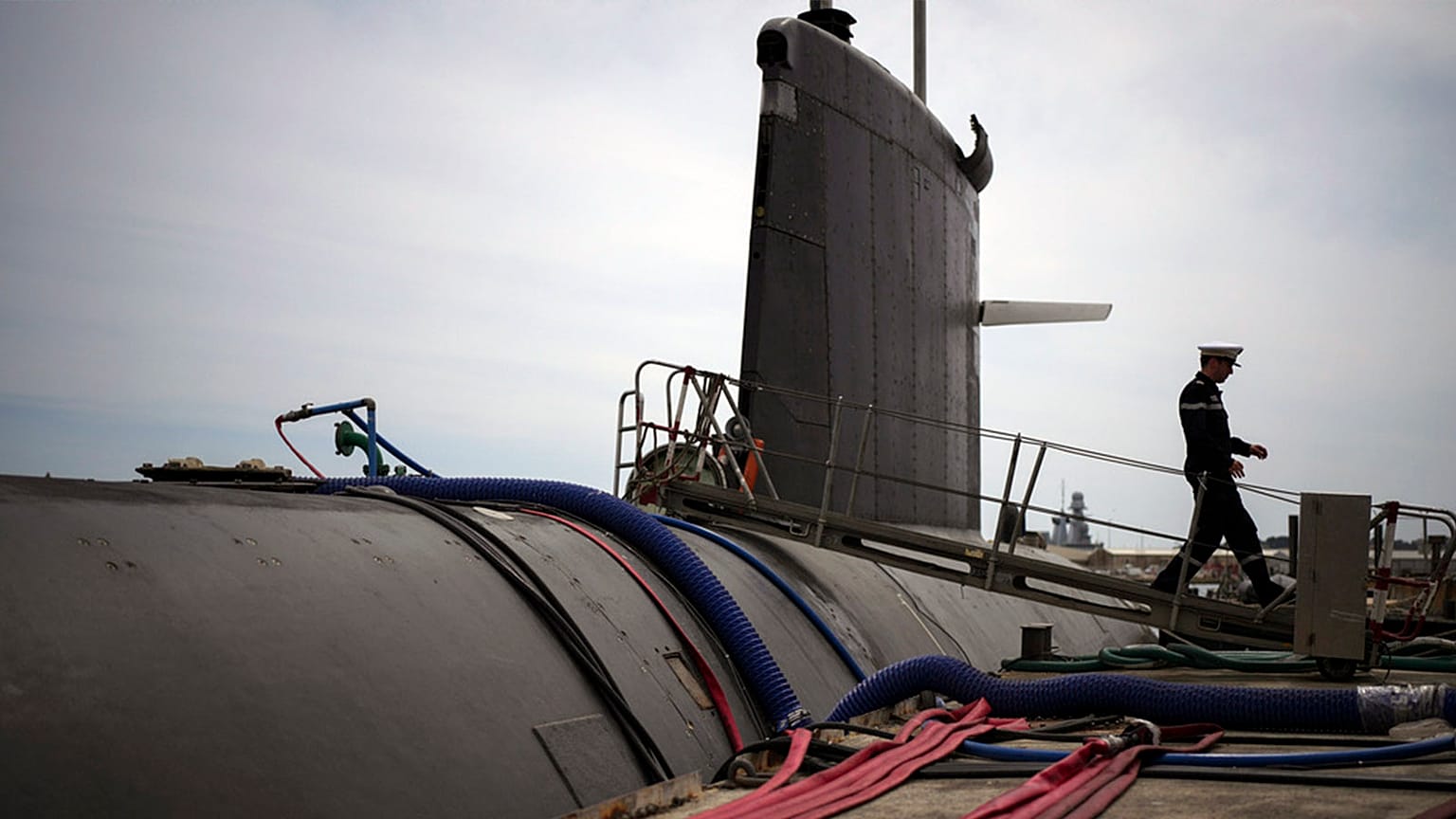
"If the American president is looking at what threats might come from Russian or Chinese ships or submarines in the region, we can of course find answers to that together."
"But the future of Greenland must be decided by the people of Greenland" and Denmark, he said.
Trump told reporters aboard Air Force One on Sunday that Washington would take Greenland "one way or the other," warning that Russia and China would "take over" if the United States did not act.
"If we don't take Greenland, Russia or China will, and I'm not letting that happen," Trump said, despite neither country laying claim to the island. "Greenland should make the deal, because Greenland does not want to see Russia or China take over."
Trump mocked Greenland's security forces, saying: "You know what their defence is, two dog sleds," while Russia and China have "destroyers and submarines all over the place."
'Decisive moment' amid 'threatening rhetoric'
Denmark's Prime Minister Mette Frederiksen said Sunday her country faces a "decisive moment" in its diplomatic battle with the United States over Greenland.
"There is a conflict over Greenland. This is a decisive moment," Frederiksen said in a debate with Danish political leaders ahead of meetings in Washington on Monday.
She posted on Facebook that Denmark was "ready to defend our values — wherever it is — also in the Arctic. We believe in international law and in peoples' right to self-determination."
Swedish Prime Minister Ulf Kristersson condemned US "threatening rhetoric" after Trump's latest statements.
"Sweden, the Nordic countries, the Baltic states, and several major European countries stand together with our Danish friends," he told a defence conference in Salen attended by NATO's supreme allied commander.
"On the contrary, the US should thank Denmark, which has been a very loyal ally over the years. In Afghanistan and Iraq, over 50 Danish soldiers have paid the ultimate price for that loyalty," Kristersson said.
German Finance Minister Lars Klingbeil said, "We are strengthening security in the Arctic together, as NATO allies, and not against one another."
Leaders of seven European countries including France, Britain, Germany and Italy signed a letter Tuesday saying it is "only" for Denmark and Greenland to decide the territory's future.
Trump says controlling Greenland is crucial for US national security given increased Russian and Chinese military activity in the Arctic. The United States has maintained a military base on the island since World War II.
'No immediate threat' amid growing importance
NATO Supreme Allied Commander General Alexus Grynkewich told the Swedish conference that alliance members were discussing Greenland's status.
While there was "no immediate threat" to NATO territory, the Arctic's strategic importance was rapidly growing, Grynkewich said. He said talks on Greenland were being held at the North Atlantic Council in Brussels.
"Those dialogues continue in Brussels. They have been healthy dialogues from what I've heard," the general said.
Grynkewich said Russian and Chinese vessels had been seen patrolling together on Russia's northern coast and near Alaska and Canada, working together to gain greater access to the Arctic as ice recedes due to global warming.
A Danish colony until 1953, Greenland gained home rule in 1979 and is contemplating eventually loosening its ties with Denmark. Polls indicate Greenland's population strongly opposes a US takeover.
The vast majority of Greenland's political parties have said they do not want to be under US control and insist Greenlanders must decide their own future.
Frederiksen warned last week that any US move to take Greenland by force would destroy 80 years of transatlantic security links.
Trump waved off the comment, saying, "If it affects NATO, it affects NATO. But you know, they need us much more than we need them."
Wadephul held talks in Iceland before meeting US Secretary of State Marco Rubio in Washington on Monday to address "strategic challenges of the far north," according to a German foreign ministry statement.