




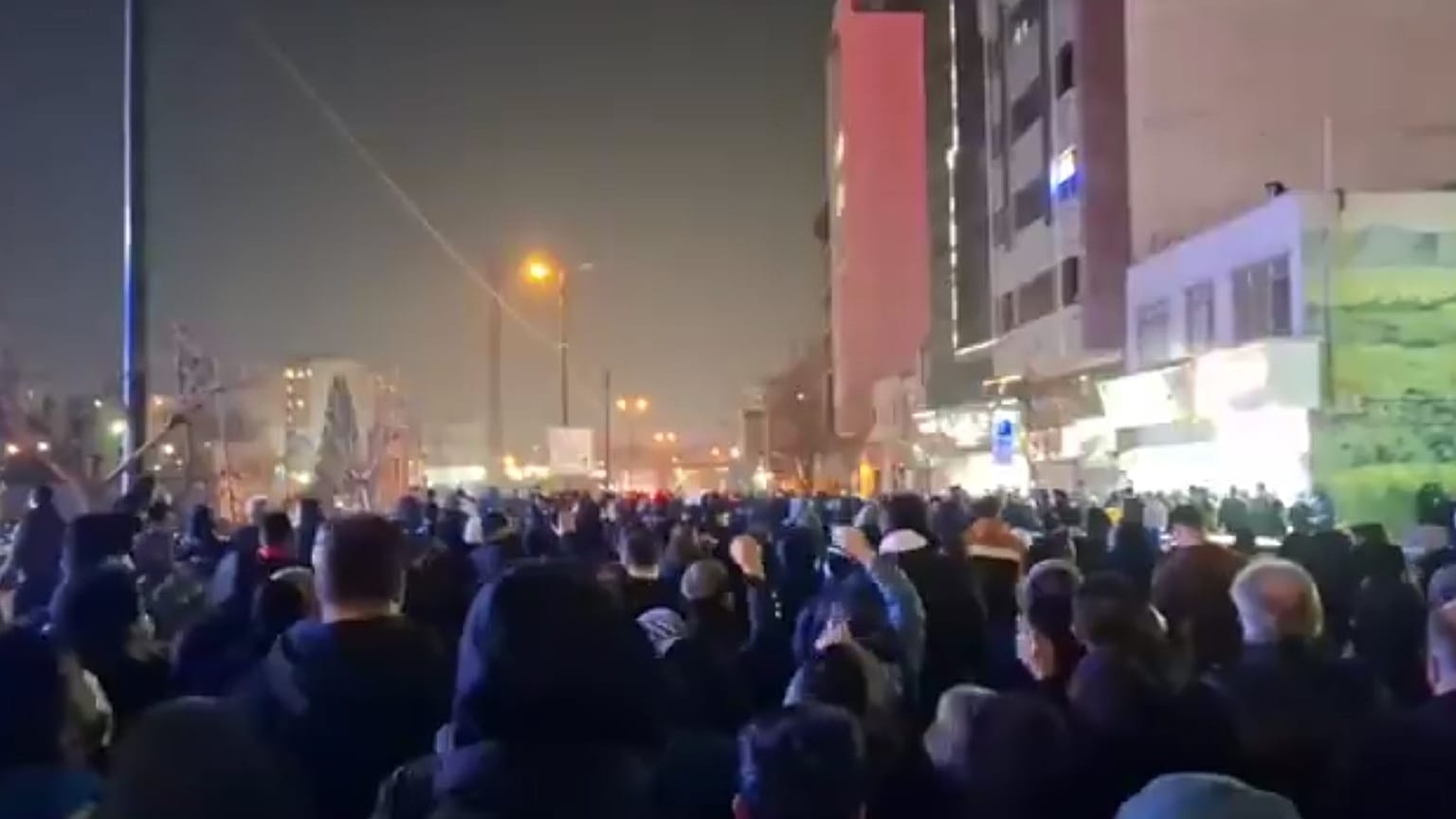














The Norway-based Iran Human Rights NGO says that 45 demonstrators have been killed by Iranian security forces since the protests began in late December.
Iranian protesters on Thursday stepped up their challenge to the clerical leadership with the biggest protests yet of nearly two weeks of rallies, as authorities cut internet access and the death toll from a crackdown mounted.
 ADVERTISEMENT
ADVERTISEMENT
ADVERTISEMENT
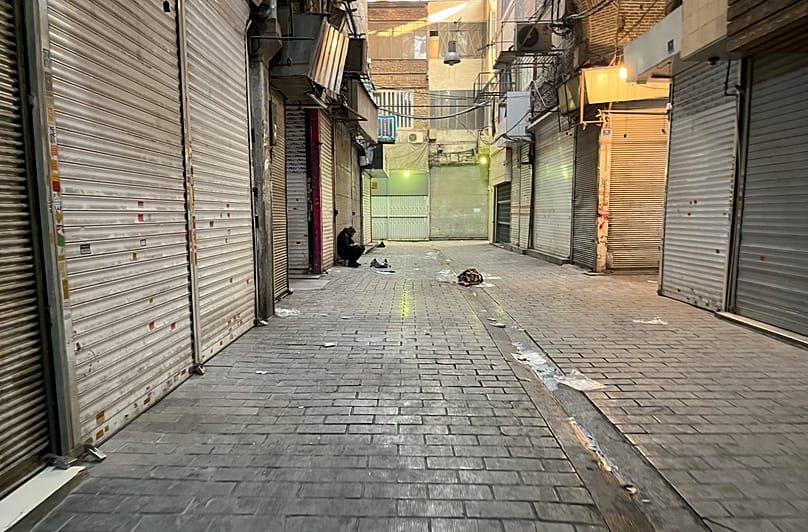
The movement, which originated with a shutdown on the Tehran bazaar on 28 December after the rial currency plunged to record lows, has spread nationwide and is now being marked by larger-scale demonstrations, including in the capital.
The protests have troubled the authorities under Ayatollah Ali Khamenei, already battling an economic crisis after years of sanctions and recovering from the June war against Israel.
US President Donald Trump meanwhile threatened on Thursday to take severe action against Iran if its authorities "start killing people", warning Washington would "hit them very hard".
That message came after rights groups accused Iranian security forces of shooting at demonstrators, with the Norway-based NGO Iran Human Rights on Thursday saying security forces had killed at least 45 protesters, including eight minors, since the demonstrations began.
What happened on Thursday evening?
People in Iran's capital shouted from their homes and rallied in the streets on Thursday night after a call by the country's exiled crown prince for a mass demonstration, witnesses said.
Internet access and telephone lines in Iran cut out immediately after the protests began.
CloudFlare, an internet firm, and the advocacy group NetBlocks reported the internet outage, both attributing it to Iranian government interference.
Attempts to dial landlines and mobile phones from Dubai to Iran could not be connected. Such outages have in the past been followed by intense government crackdowns.
It represents a new escalation in the protest movement, initially against Iran's ailing economy, that has spread nationwide across the Islamic Republic.
The protest represented the first test of whether the Iranian public could be swayed by Crown Prince Reza Pahlavi, whose fatally ill father fled Iran just before the 1979 Islamic Revolution.
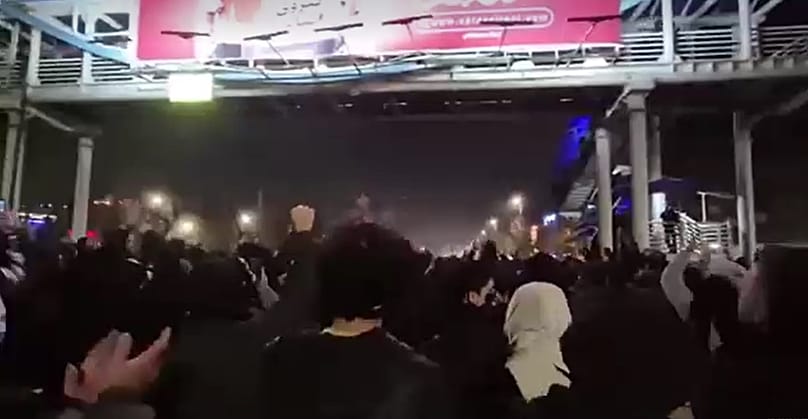
Pahlavi had called for demonstrations at 8 pm local on Thursday and Friday. When the clock struck, neighbourhoods across Tehran erupted in chanting, witnesses said.
The chants included "Death to the dictator!" and "Death to the Islamic Republic!" Others praised the shah, shouting: "This is the last battle! Pahlavi will return!" Thousands could be seen on the streets.
"Great nation of Iran, the eyes of the world are upon you. Take to the streets and, as a united front, shout your demands," Pahlavi said in a statement.
"I warn the Islamic Republic, its leader and the (Revolutionary Guard) that the world and (President Donald Trump) are closely watching you. Suppression of the people will not go unanswered."
Demonstrations have included cries in support of the shah, something that could bring a death sentence in the past but now underlines the anger fuelling the protests.
Thursday saw a continuation of the demonstrations that popped up in cities and rural towns across Iran on Wednesday. More markets and bazaars shut down in support of the protesters.
So far, violence around the demonstrations has killed at least 39 people while more than 2,260 others have been detained, the US-based Human Rights Activists News Agency said.
The growth of the protests increases the pressure on Iran’s civilian government and its Supreme Leader Ayatollah Ali Khamenei.
Meanwhile, the protests themselves have remained broadly leaderless. It remains unclear how Pahlavi's call will affect the demonstrations moving forward.
"The lack of a viable alternative has undermined past protests in Iran," wrote Nate Swanson of the Washington-based Atlantic Council, who studies Iran.
"There may be a thousand Iranian dissident activists who, given a chance, could emerge as respected statesmen, as labour leader Lech Wałęsa did in Poland at the end of the Cold War. But so far, the Iranian security apparatus has arrested, persecuted and exiled all of the country’s potential transformational leaders."
Iranian officials appeared to be taking the planned protests seriously. The hard-line Kayhan newspaper published a video online claiming security forces would use drones to identify those taking part.
Iranian officials have offered no acknowledgment of the scale of the overall protests, which raged across many locations Thursday even before the 8 pm demonstration.
Iran weighs Trump threat
It remains unclear why Iranian officials have yet to crack down harder on the demonstrators.
Trump warned last week that if Tehran "violently kills peaceful protesters," America "will come to their rescue."
Trump's comments drew a new rebuke from Iran's Foreign Ministry.
"Recalling the long history of criminal interventions by successive US administrations in Iran's internal affairs, the Foreign Ministry considers claims of concern for the great Iranian nation to be hypocritical, aimed at deceiving public opinion and covering up the numerous crimes committed against Iranians," it said.
But those comments haven't stopped the US State Department on the social platform X from highlighting online footage purporting to show demonstrators putting up stickers naming roads after Trump or throwing away government-subsidised rice.
"When prices are set so high that neither consumers can afford to buy nor farmers can afford to sell, everyone loses," the State Department said in one message. "It makes no difference if this rice is thrown away."
Meanwhile, European Parliament President Roberta Metsola, in a video posted to her X account, said "The world is once again witnessing the brave people of Iran stand up."
"Their cry for freedom, for dignity, for the choice to live and be governed as they choose, has been heard across the globe," she said.
"The people of Europe see what is happening on the streets and in the hearts and minds of the people of Iran. We know the change that is underway...The people of Iran are not protesting, they are crying out. Europe hears them, the world hears them."