


















The economic situation is likely to worsen as Iran's Central Bank drastically reduced the subsidised exchange rates for dollars it offers to importers and producers.
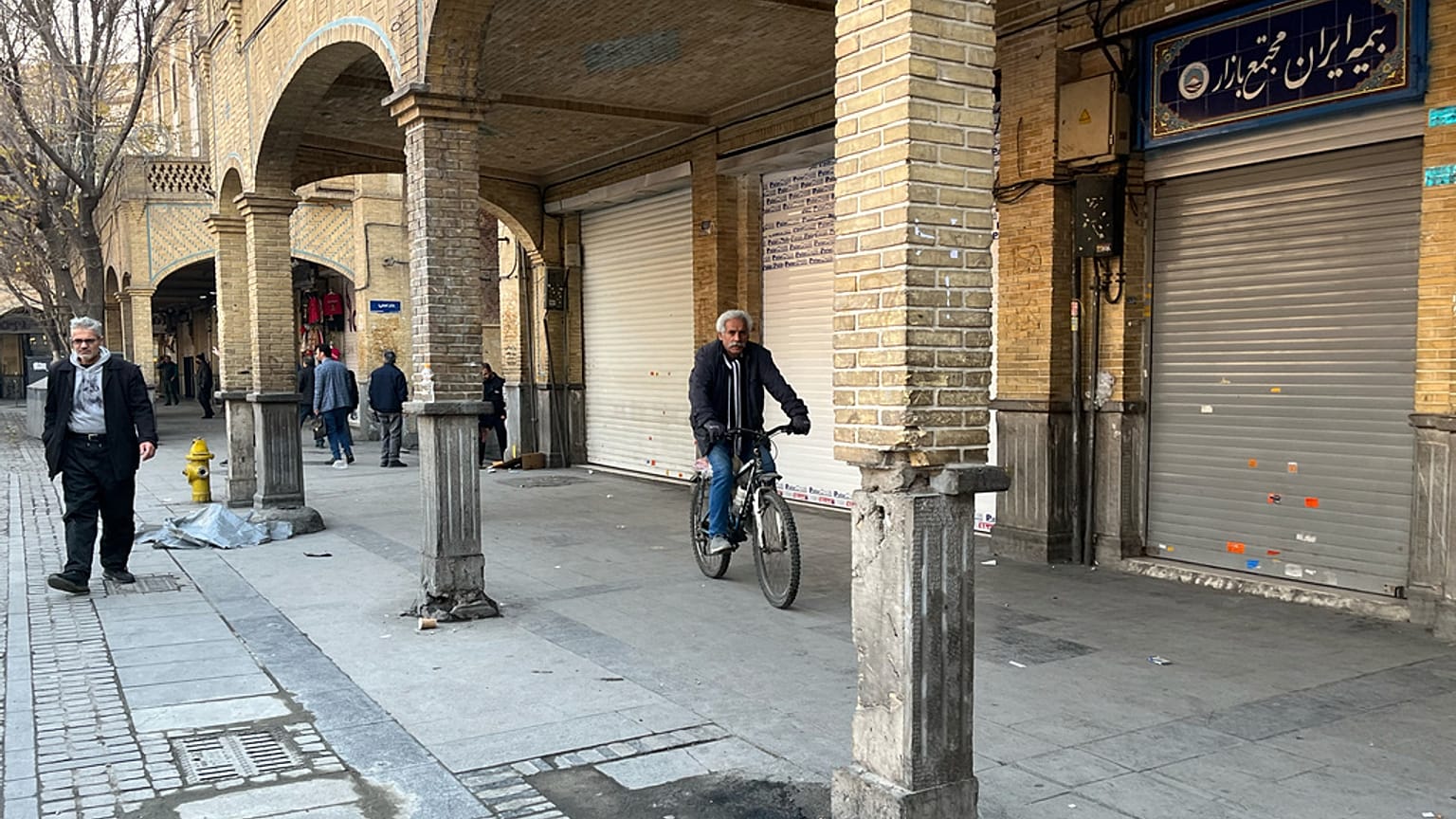
Protesters angry over Iran's worsening economy conducted a sit-in protest at Tehran's Grand Bazaar on Tuesday, with activists saying at least 36 people have been killed in widening protests that began in December.
 ADVERTISEMENT
ADVERTISEMENT
ADVERTISEMENT
The protest at the Grand Bazaar, which was largely shuttered on Tuesday, was the latest sign that demonstrations are likely to continue as the country's currency the rial fell to a record low against the dollar in persistent hyperinflation plaguing Iran.
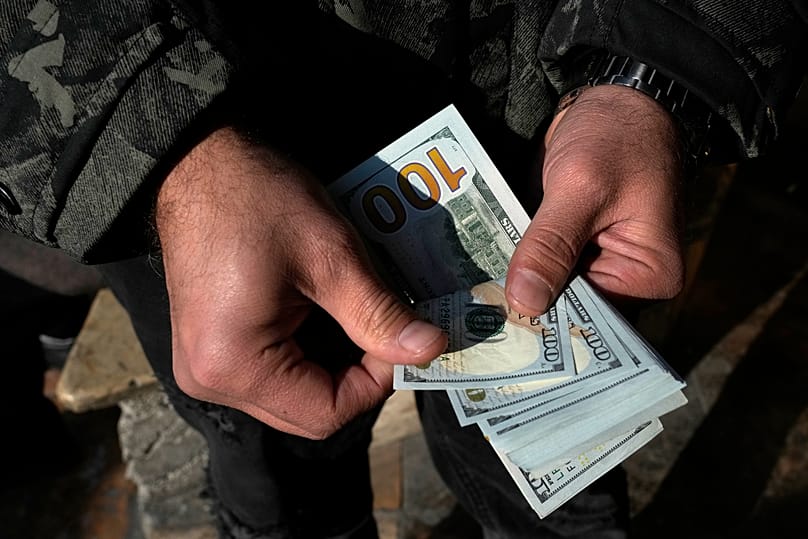
The rial collapsed in December, reaching 1.4 million to one US dollar, sparking protests soon after. On Tuesday, the exchange rate collapsed further to 1.46 million rials with no signs of slowing.
Before the 1979 Islamic Revolution, the rial was broadly stable, trading at around 70 to $1. At the time of Iran’s 2015 nuclear deal with world powers, $1 traded for 32,000 rials.
Meanwhile, the situation was likely to worsen as Iran's Central Bank drastically reduced the subsidised exchange rates it offers to importers and producers.
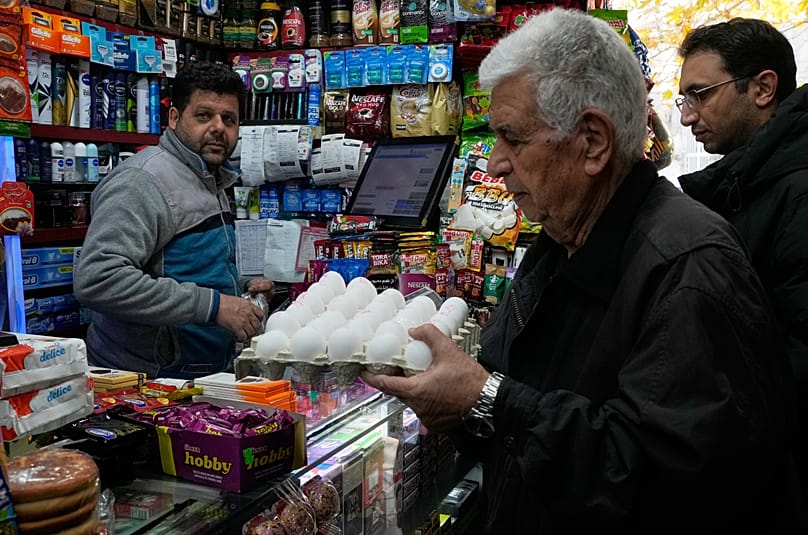
That will likely see merchants pass on price hikes in the coming days to consumers, whose life savings have already dwindled over years of international sanctions targeting the country.
Iran's President Masoud Pezeshkian, while ordering a government investigation into one incident involving the protests, also signalled on Tuesday that the crisis may be rapidly moving beyond officials' control.
"We should not expect the government to handle all of this alone," Pezeshkian said in a televised speech. "The government simply does not have that capacity."
Exchange rate change points to further pain
In recent days, Iran's Central Bank ended a preferential, subsidised dollar-rial exchange rate for all products except medicine and wheat.
Iran's government had offered that rate to importers and producers to try to ensure the flow of essential goods despite international sanctions over its nuclear programme and other issues.
However, many of those firms took advantage of the difference in rates, pocketing ever-greater profits as normal Iranians watched their savings rapidly lose value against the dollar.
The currency and rate depreciation has directly impacted what's available in stores and at what price.
The average bottle of cooking oil has doubled in price, the state-run IRNA news agency reported.
Many have complained about shelves being empty in stores, likely as suppliers and merchants fear selling cooking oil at a loss. Cheese and chicken prices also spiked, while imported rice hasn't been available in some shops.
Pezeshkian in his speech blamed inflation, sanctions and other woes for causing the depreciation and warned tougher times may be coming.
"If we do not make realistic decisions, we ourselves will push the country toward crisis and then complain about the consequences," he warned.
Protester deaths a focus for Trump
The US-based Human Rights Activists News Agency offered the latest death toll of 36 for the demonstrations.
It said 29 protesters, four children and two members of Iran’s security forces have been killed and more than 1,200 arrested.
Demonstrations have reached over 270 locations in 27 of Iran’s 31 provinces,
The group, which relies on an activist network inside of Iran for its reporting, has been accurate in past unrest.
Fars, the news agency believed to be close to Iran’s paramilitary Revolutionary Guard, reported late on Monday that some 250 police officers and 45 members of the Guard’s all-volunteer Basij force have been hurt in the demonstrations.
The growing death toll carries with it the chance of American intervention.
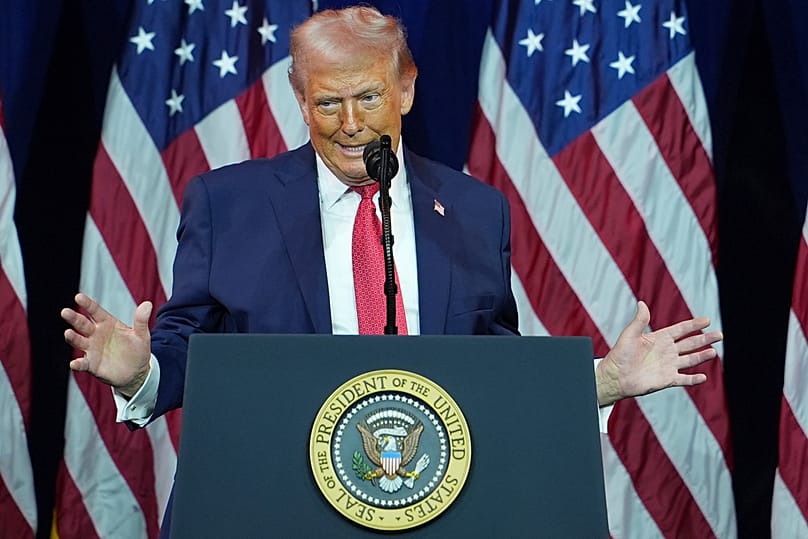
US President Donald Trump warned Iran on Friday that if Tehran "violently kills peaceful protesters," the United States "will come to their rescue."
Ayatollah Ali Khamenei said on Saturday that "rioters must be put in their place."
While it remains unclear how and if Trump will intervene, his comments sparked an immediate, angry response, with officials within the theocracy threatening to target US troops in the Middle East.
The comments took on new importance after a US military operation on Saturday saw the capture of Venezuelan President Nicolás Maduro, a longtime ally of Tehran.