




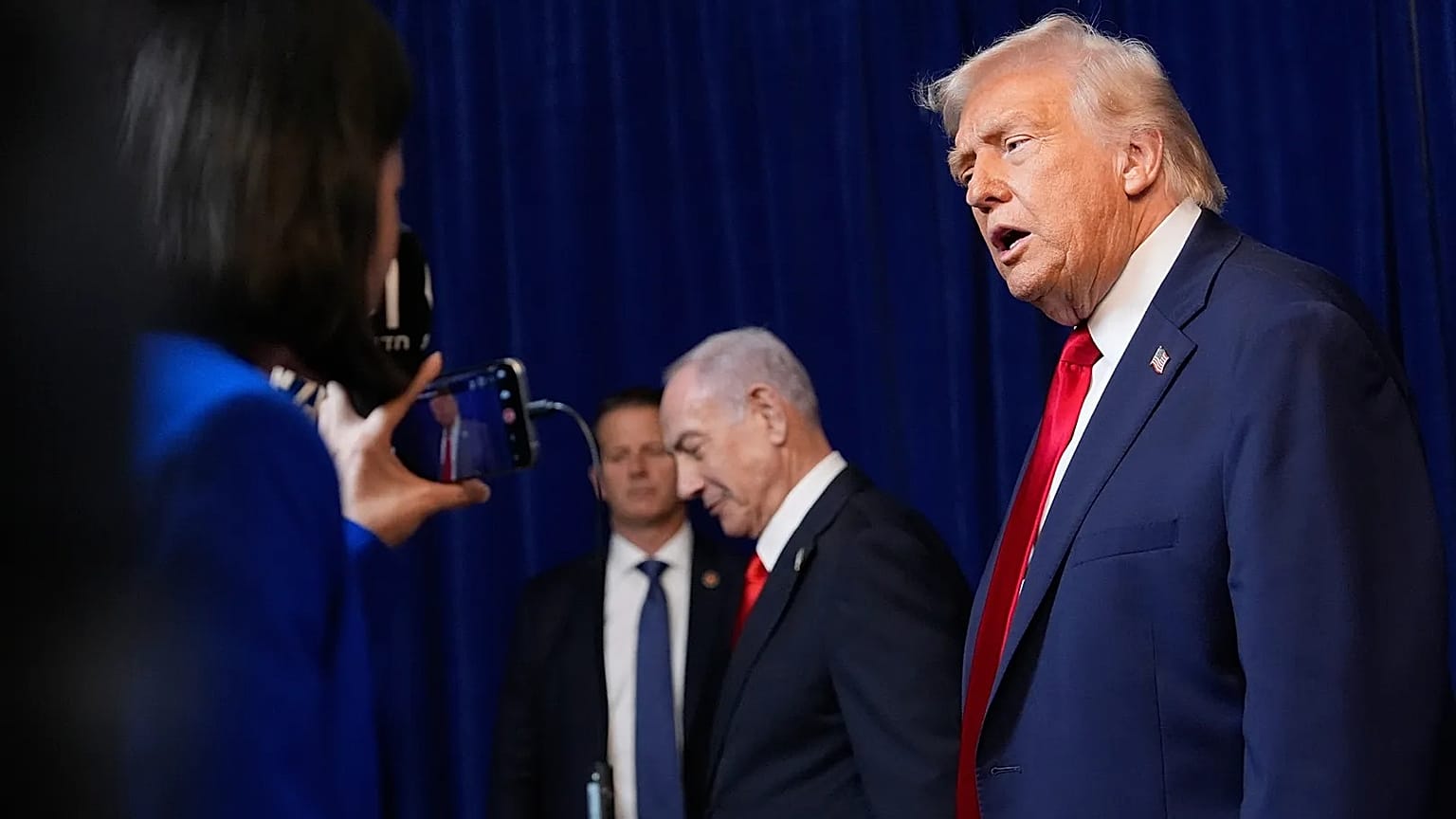













Trump said he expected the reconstruction of Gaza to begin "pretty soon" but gave no further details about a timeline or who would be responsible for the construction.
US President Donald Trump said on Monday that Hamas will have "very short period" of time to fully disarm, warning that if they didn't "there'll be hell to pay."
 ADVERTISEMENT
ADVERTISEMENT
ADVERTISEMENT
Trump was speaking at a press conference in Florida after talks with Israel's Prime Minister Benjamin Netanyahu.
"If they don't disarm – as they agreed to do, they agreed to it – then there'll be hell to pay for them," Trump said.
"And we don't want that. But they have to disarm within a fairly short period of time."
Ahead of the talks with Netanyahu, the sixth time this year the two leaders have met, Trump said they planned to discuss "five major subjects," including the second phase of the Gaza ceasefire which is widely expected to start in January.
The first phase of the agreement, which came into force on October 10 ending fighting that started in 2023, included a suspension of hostilities, a partial Israeli military withdrawal and the exchange of all Israeli hostages for Palestinian prisoners.
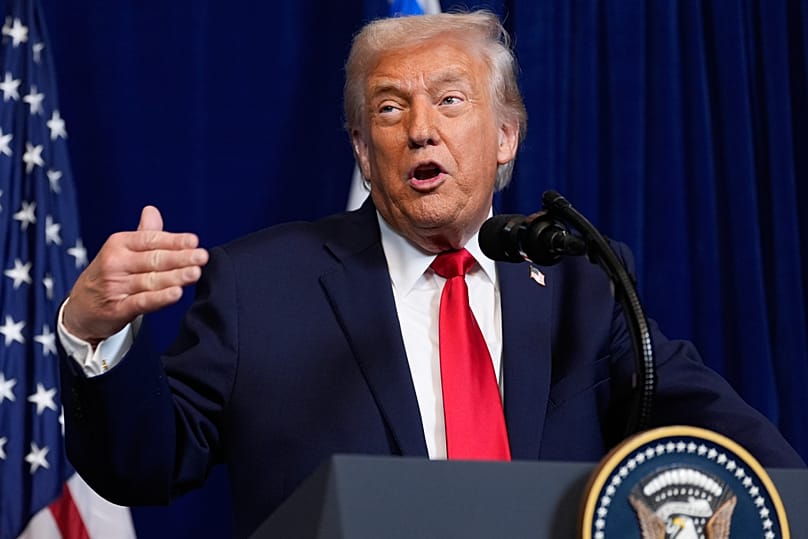
The second phase, outlined in Trump's 20-point peace plan, includes a full Israeli withdrawal from Gaza, the disarmament of Hamas and the establishment of a Palestinian committee to temporarily govern Gaza.
Trump said he expected the reconstruction of Gaza to begin "pretty soon" but gave no further details about a timeline or who would be responsible for the construction.
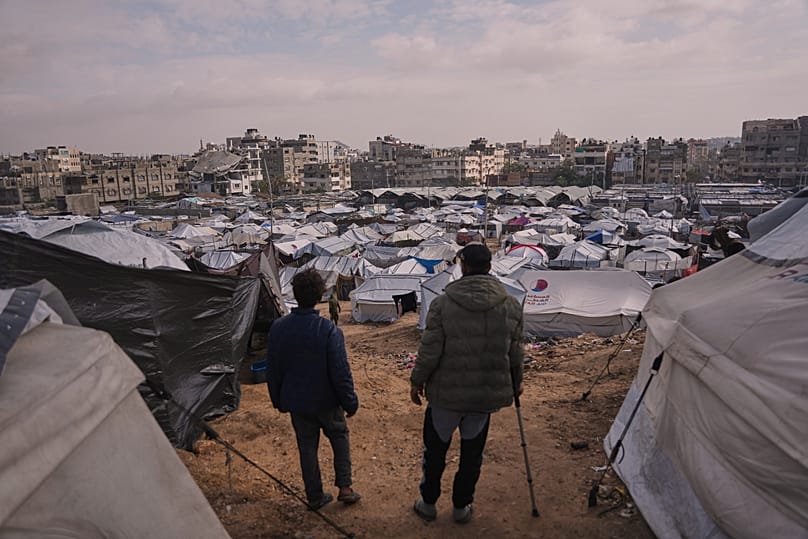
The Palestinian enclave has been widely destroyed in more than two years of fighting between Israel and Hamas with the UN estimating more than 80% of the Strip's buildings have been destroyed.
When asked by reporters about Israel's actions in the occupied West Bank and whether settler violence was undermining peace, Trump said that he and Netanyahu "don't agree on the West Bank 100% but we’ll come to a conclusion on the West Bank."
Trump didn't give any details about the nature of those disagreements but said Netanyahu "will do the right thing."
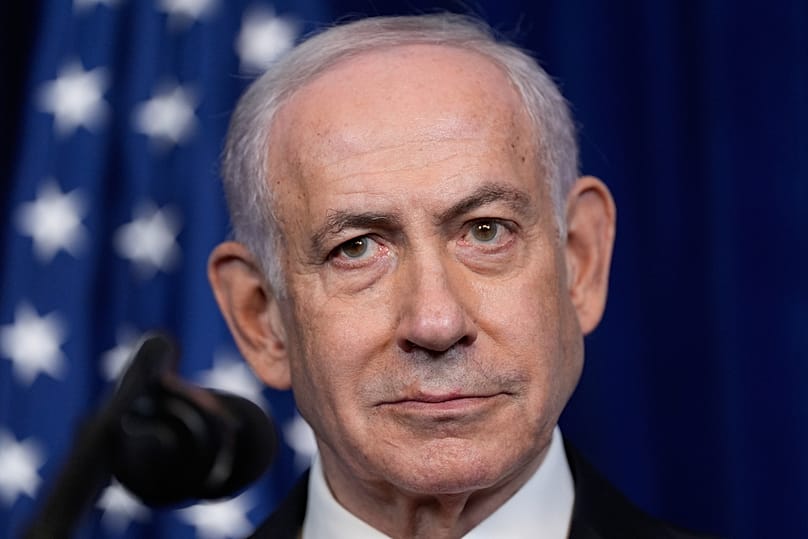
Trump said in September he would not allow Israel to annex the West Bank, adding "It's not going to happen."
Just a month after those comments, in a symbolic vote in Israel's parliament lawmakers passed a preliminary vote in favour of annexing the West Bank.
Palestinians and much of the international community say annexation would all but end any remaining possibility of a two-state solution, which is widely seen as the only way to resolve the decades-old conflict.
Second phase is complex
The second phase of the ceasefire plan would see the rebuilding of a demilitarised Gaza under international supervision by a group chaired by Trump and known as the Board of Peace.
The Palestinians would form a "technocratic, apolitical" committee to run daily affairs in Gaza, under Board of Peace supervision.
It further calls for normalised relations between Israel and the Arab world and a possible pathway to Palestinian independence.
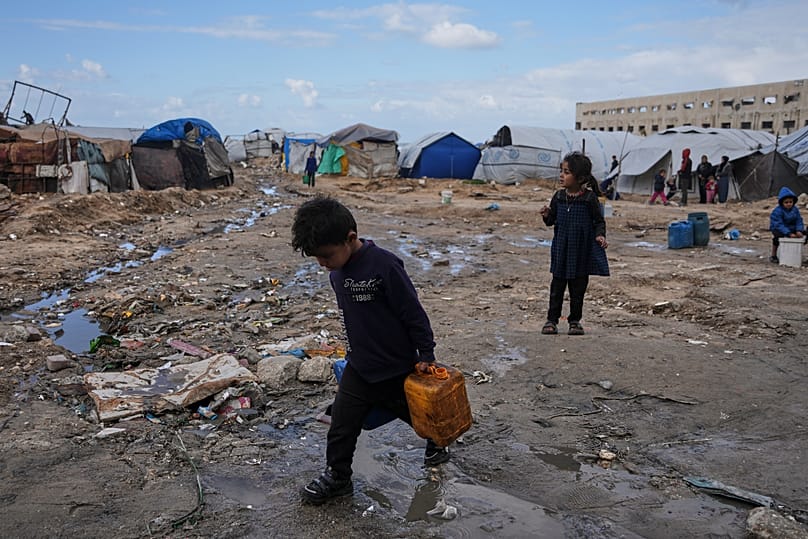
But there are thorny logistical and humanitarian questions, including rebuilding war-ravaged Gaza, disarming Hamas and creating a security apparatus called the International Stabilisation Force.
The Board of Peace would oversee Gaza's reconstruction under a two-year, renewable UN mandate.
Much remains unsettled
The meeting between Trump and Netanyahu comes US envoy Steve Witkoff and the president's son-in-law, Jared Kushner, recently met in Florida with officials from Egypt, Qatar and Turkey, which have been mediating the ceasefire.
Two main challenges have complicated moving to the second phase, according to an official who was briefed on those meetings.
Israeli officials have been taking a lot of time to vet and approve members of the Palestinian technocratic committee from a list given to them by the mediator and Israel continues its military strikes.
Trump's plan also calls for the stabilisation force, proposed as a multinational body, to maintain security. But it, too, has yet to be formed.
One Western diplomat said there is a "huge gulf" between the US-Israeli understanding of the force's mandate and that of other major countries in the region, as well as European governments.
The US and Israel want the force to have a "commanding role" in security duties, including disarming Hamas and other militant groups.
But countries being courted to contribute troops fear that mandate will make it an "occupation force," the diplomat said.
Hamas has said it is ready to discuss "freezing or storing" its arsenal of weapons but insists it has a right to armed resistance as long as Israel occupies Palestinian territory.
One US official said a potential plan might be to offer cash incentives in exchange for weapons, echoing a "buyback" programme Witkoff has previously floated.