


















The ceasefire, which came into force around noon local time, calls for no further military movements by either side and no violations of either side’s airspace for military purposes.
Thailand and Cambodia on Saturday signed a ceasefire agreement to end weeks of armed combat along their border over competing claims to territory
 ADVERTISEMENT
ADVERTISEMENT
ADVERTISEMENT
The ceasefire, which came into force around noon local time, calls for no further military movements by either side and no violations of either side’s airspace for military purposes.
Only Thailand employed airstrikes in the fighting, hitting sites in Cambodia as recently as Saturday morning, according to the Cambodian defence ministry.
The truce deal also calls for Thailand, after the ceasefire has held for 72 hours, to repatriate 18 Cambodian soldiers it has held as prisoners since earlier fighting in July, something that has been a major demand of the Cambodian side.
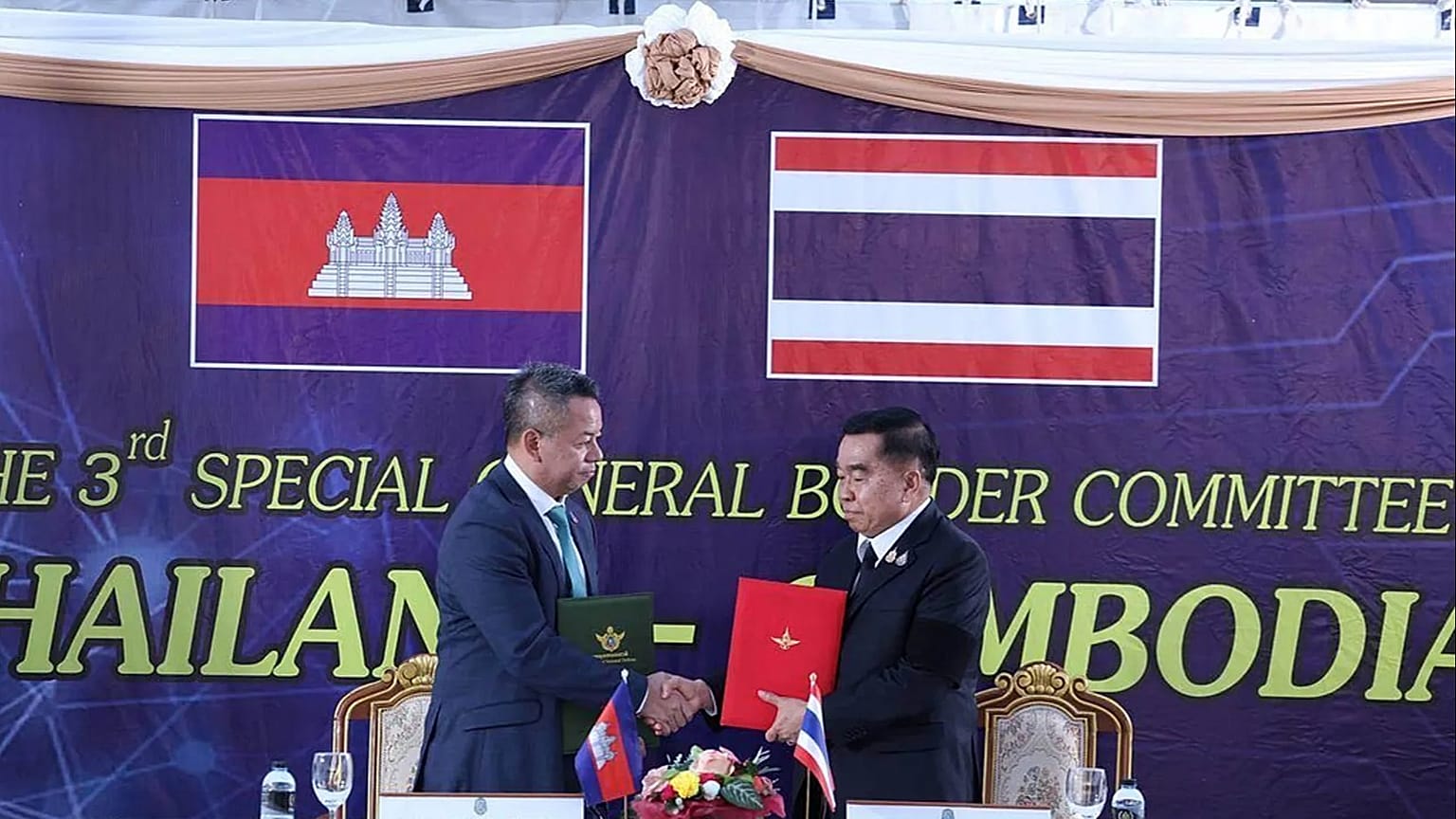
The agreement was signed by the defence ministers of the two countries, Cambodia’s Tea Seiha and Thailand’s Nattaphon Narkphanit, at a checkpoint on their border after lower-level talks by military officials who met for three days as part of the already-established General Border Committee.
It declares that the two sides are committed to an earlier ceasefire that ended five days of fighting in July and follow-up agreements, and includes commitments to 16 de-escalation measures.
The original July ceasefire was brokered by Malaysia and pushed through by pressure from US President Donald Trump, who threatened to withhold trade privileges unless Thailand and Cambodia agreed. It was formalised in more detail in October at a regional meeting in Malaysia that Trump attended.
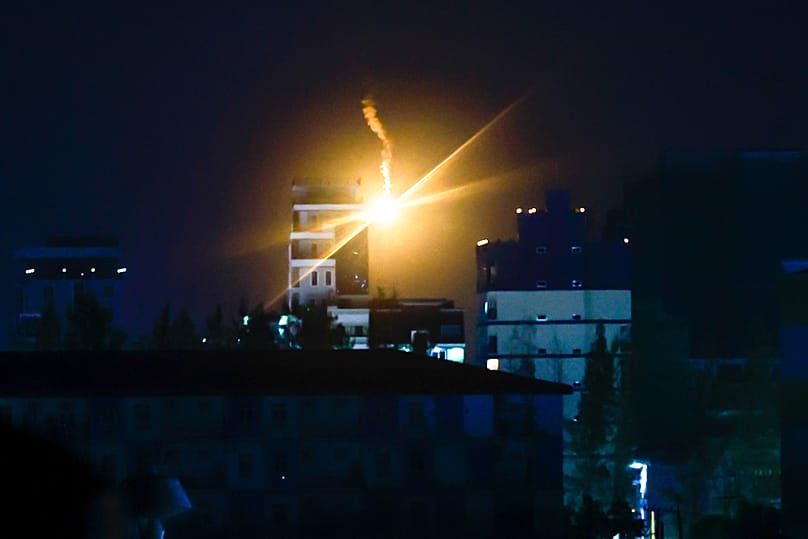
Despite those deals, the two countries carried on a bitter propaganda war and minor cross-border violence continued, escalating in early December to widespread heavy fighting.
Scores of casualties recorded on both sides
According to local officials, Thailand has lost 26 soldiers and one civilian as a direct result of the combat since 7 December, and 44 civilian deaths from collateral effects of the situation.
Cambodia hasn’t issued an official figure on military casualties, but says that 30 civilians have been killed and 90 injured. Hundreds of thousands of people have been evacuated from affected areas on both sides of the border.
Each side blamed the other for initiating the fighting and claimed to be acting in self-defence.
The agreement also calls on both sides to adhere to international agreements against deploying land mines, a major concern of Thailand. Thai soldiers along the border have been wounded in at least nine incidents this year by what they said were newly planted Cambodian mines. Cambodia says the mines were left over from decades of civil war that ended in the late 1990s.
Another clause says the two sides “agree to refrain from disseminating false information or fake news.”
The agreement also says previously established measures to demarcate the border will be resumed, and the two sides also agree to cooperate on an effort to suppress transnational crimes, a reference to online scams perpetrated by organised crime that have bilked victims around the world of billions of dollars each year. Cambodia is a centre for such criminal enterprises.
This year's border conflict between the two nations is driven by long-standing territorial disputes, recent political fallout between ruling families, and economic tensions related to cross-border criminal activities.