



























Lower rates from the Fed can bring down borrowing costs for mortgages, auto loans, and credit cards over time, though market forces can also affect those rates.
The US Federal Reserve reduced its key interest rate for the third time in a row on Wednesday but signalled that it may leave rates unchanged in the coming months, a move that could attract anger from President Donald Trump, who has demanded steep reductions to borrowing costs.
 ADVERTISEMENT
ADVERTISEMENT
ADVERTISEMENT
Wednesday's cut reduced the rate to about 3.6%, the lowest it has been in nearly three years.
Lower rates from the Fed can bring down borrowing costs for mortgages, auto loans, and credit cards over time, though market forces can also affect those rates.
In a statement released after a two-day meeting, the Fed's rate-setting committee indicated that it may keep its rate unchanged in the coming months.
And in a set of quarterly economic projections, Fed officials said they expect to lower rates just once next year.
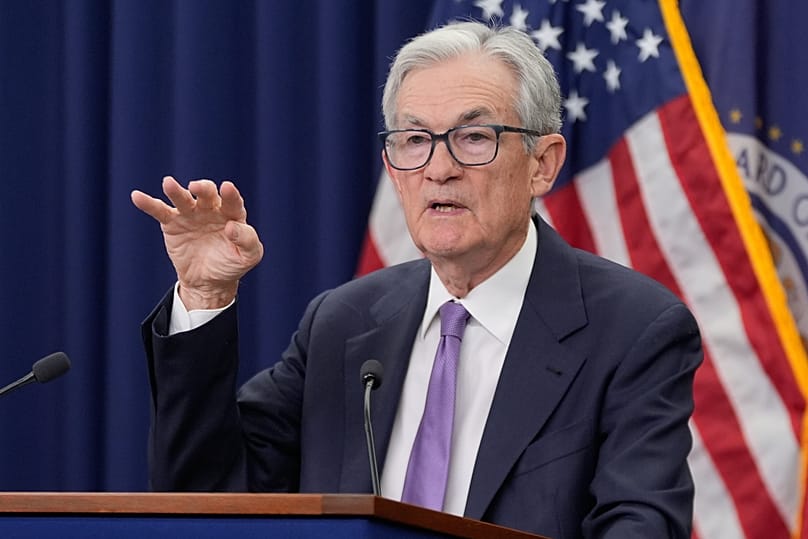
Three Fed officials dissented from the move, the most dissents in six years and a sign of deep divisions on a committee that traditionally works by consensus.
Two officials voted to keep the Fed's rate unchanged, while Stephen Miran, whom Trump appointed in September, voted for a half point cut.
December's meeting could usher in a more contentious period for the Fed.
Officials are split between those who support reducing rates to bolster hiring and those who’d prefer to keep rates unchanged because inflation remains above the central bank's 2% target.
Unless inflation shows clear signs of coming fully under control, or unemployment worsens, those divisions will likely remain.