

















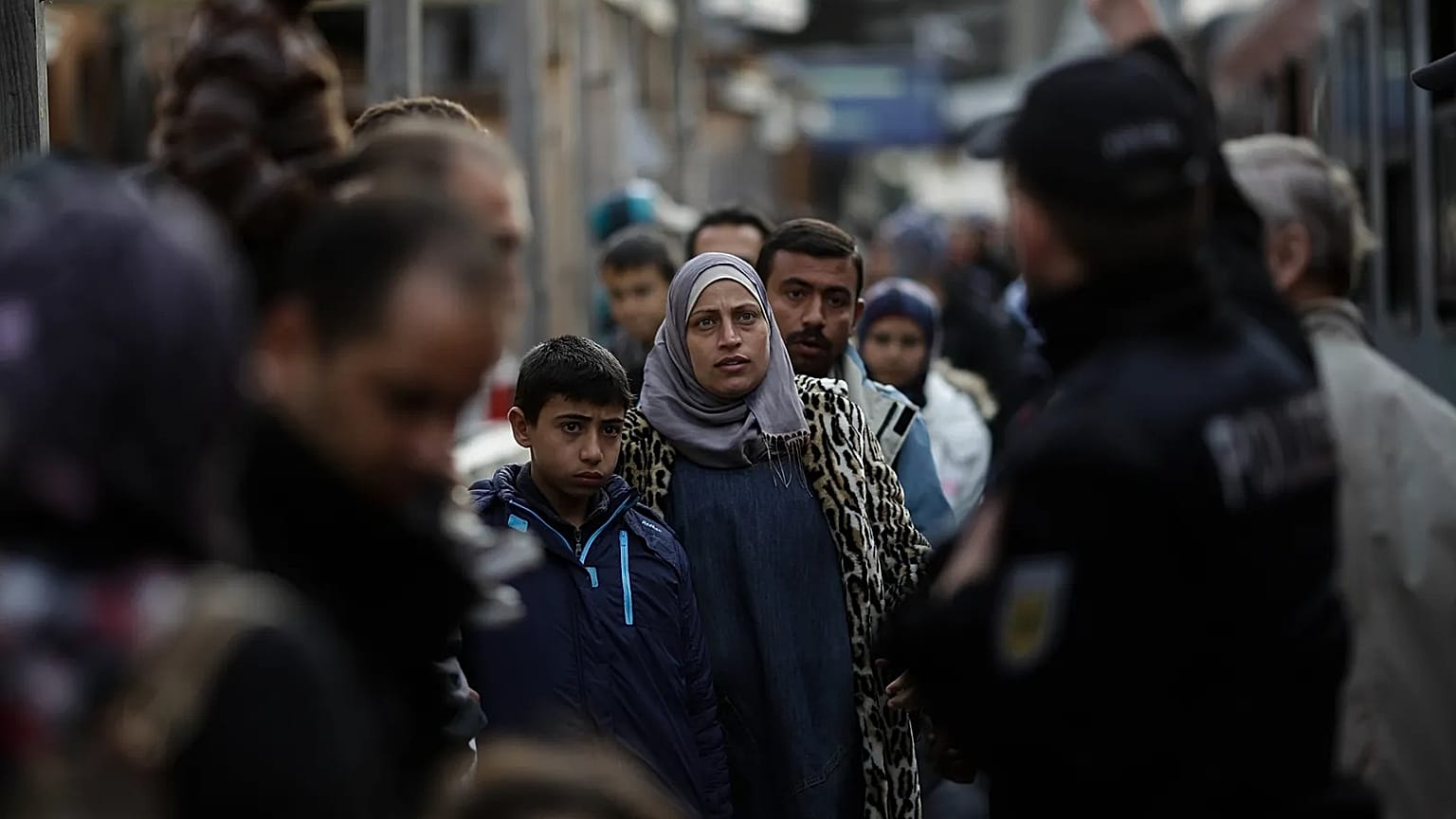














The number of Syrians requesting asylum dropped significantly from 16,000 in October 2024, before the fall of al-Assad in December, to 3,500 in September 2025.
The European Union issued updated guidance for asylum applications by Syrian nationals on Wednesday that reflects new conditions in Syria a year after the fall of former long-time leader, Bashar al-Assad.
 ADVERTISEMENT
ADVERTISEMENT
ADVERTISEMENT
The changes may influence the result of asylum requests of some 110,000 Syrians who were still awaiting an asylum decision at the end of September.
The European Union Agency for Asylum said opponents of al-Assad and military service evaders "are no longer at risk of persecution."
But the agency said other groups may be considered at risk in the post-Assad Syria, including people affiliated with the former government and members of the Alawites, Christians, and Druze ethnic-religious groups.
While decisions on asylum applications are made at a national level, the agency's guidance is used to inform the 27 EU member states, as well as Norway and Switzerland.
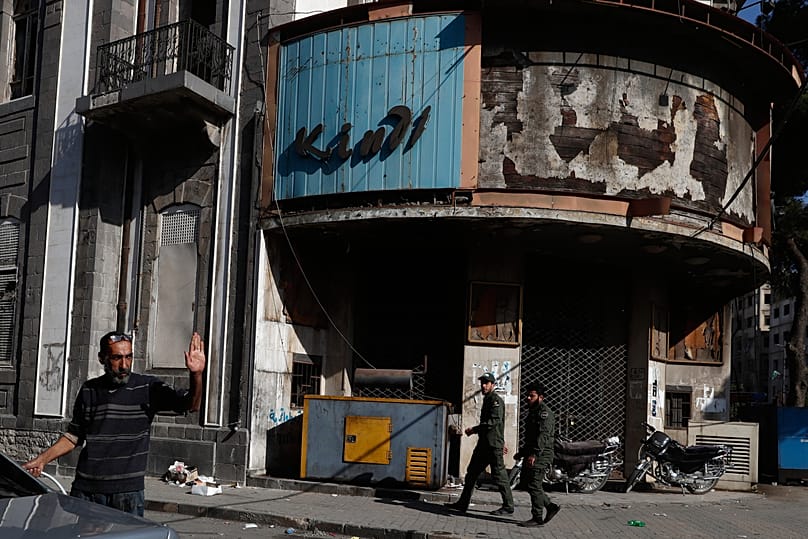
The goal is to create greater coherence between the 29 nations granting international protection.
The number of Syrians requesting asylum dropped significantly from 16,000 in October 2024, before the fall of al-Assad in December, to 3,500 in September 2025.
Still, Syrians had the most number of cases awaiting a decision at first instance.
Syria's civil war, which began in March 2011, killed nearly half a million people and displaced half of the country's pre-war population of 23 million.
More than 5 million Syrians fled the country as refugees. While most sought refuge in neighbouring countries like Turkey, many also went to Europe, contributing to the continent's 2015 refugee crisis.
The asylum agency said the situation in Syria is "considered improved but volatile" since al-Assad's fall late last year and that "indiscriminate violence continues to take place" in certain parts of the country.
At-risk groups
Many Syrians had high hopes after al-Assad was ousted in an offensive by insurgent groups in early December.
However, sectarian killings against members of al-Assad’s Alawite minority sect in Syria’s coastal region and against the Druze minority in the southern province of Suwayda earlier this year has claimed hundreds of lives.
Still, the agency said it now considers Damascus, the capital, to be safe.
The agency also cited two other groups living in Syria who should remain eligible for refugee status: LGBTQ+ people and Palestinians in Syria who no longer receive United Nations assistance or protection.
Since al-Assad's ouster, more than 1 million people have returned to Syria and nearly 2 million internally displaced people have returned to their regions, according to the United Nations High Commissioner for Refugees.