




























By Francesco Guarascio
 ADVERTISEMENT
ADVERTISEMENT
ADVERTISEMENT
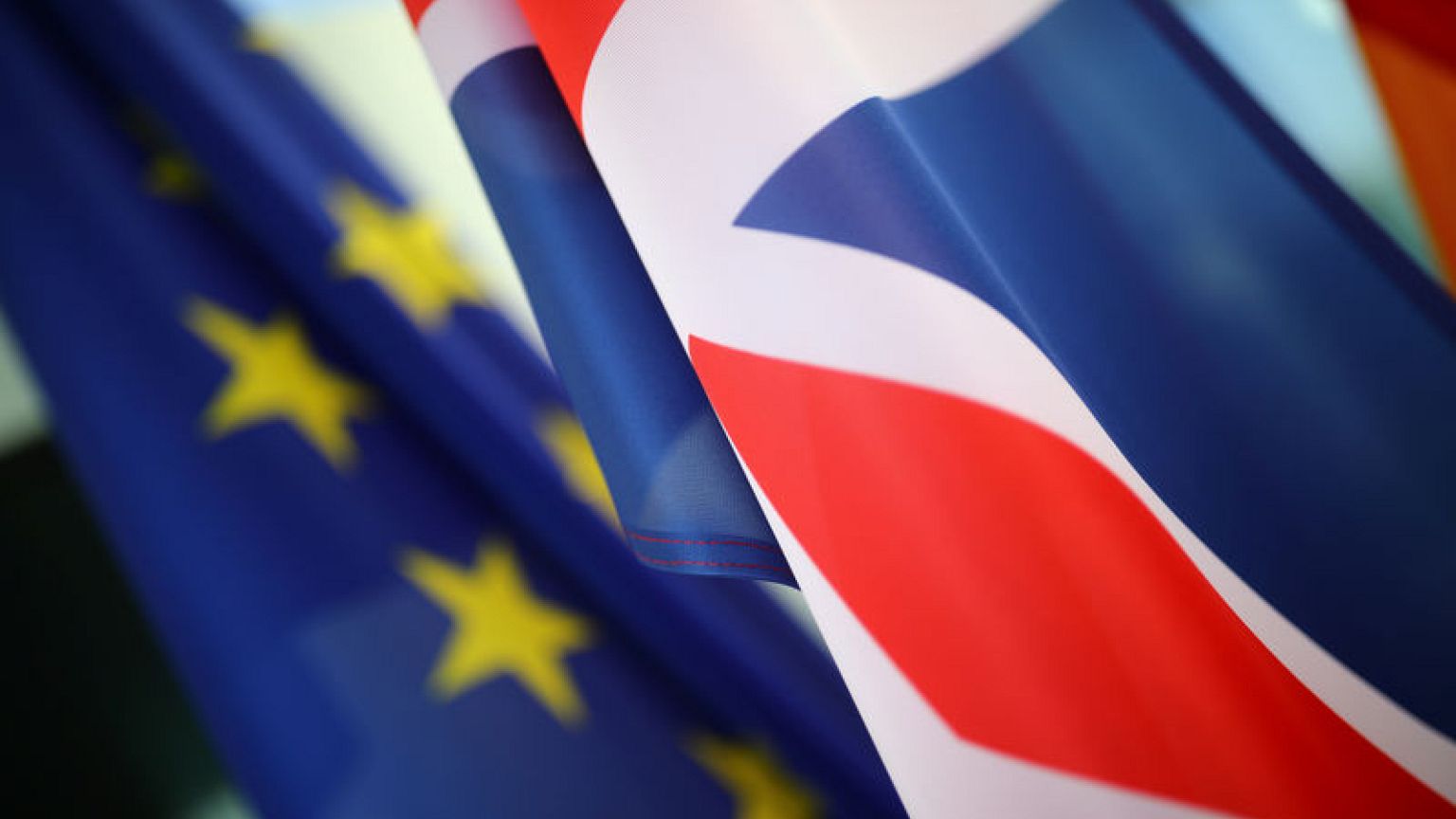
BRUSSELS (Reuters) - An alliance of pro-EU conservative, socialist and liberal parties would win an absolute majority in next month's European Parliament election, though eurosceptic groups will gain ground, a survey showed on Thursday.
With Britain expected to participate after its departure from the European Union was delayed, the proportion of the assembly's seats held by eurosceptics is seen rising to 14.3 percent from around 10 percent currently, according to the compilation of national polls commissioned by the European Parliament.
The figure was 13.0 percent in the previous survey in March, which did not include British voters.
Currently, a coalition of centre-right and centre-left groupings holds a majority.
Under the new survey, which includes national polls published up to April 15 and assumes the number of seats will remain at 751, the centre-right European People's Party (EPP) will remain the largest grouping with 180 seats, which represents 24.0 percent of the total, down from nearly 29 percent currently.
The centre-left Socialists and Democrats will be the second biggest with 149 seats, equal to 19.8 percent, and the liberals are set to stay third with about 10 percent and 76 seats.
Factoring in Britain's participation in the May 23-26 vote, which might still be reversed if a Brexit deal is struck before then, the nationalist Europe of Nations and Freedom (ENF) would rise to 8.3 percent, or 62 seats, from less than 5 percent currently.
Europe of Freedom and Direct Democracy (EFDD), the other openly eurosceptic grouping which currently includes the United Kingdom Independence Party (UKIP), would win 6 percent, or 45 seats.
Under the survey, that grouping would include arch UK eurosceptic Nigel Farage's new Brexit Party, which came top with 27 percent in a British YouGov survey published on Wednesday but not included in Thursday's EU report.
At the last EU election in 2014, UKIP, then led by Farage, was the leading UK party with 26.6 percent.
After Britain's formal exit from the EU, which the bloc's leaders last week extended to Oct. 31, its elected deputies would leave the European Parliament and groupings may need to be reshaped.
The European Conservatives and Reformists (ECR) grouping, which includes the PiS party of Polish eurosceptic leader Jaroslaw Kaczynski, would obtain 8.8 percent of the seats, up from 7.5 percent in the previous poll which did not include British Conservative voters.
Among national parties, German Chancellor Angela Merkel's centre-right Christian Democrats are expected to remain the largest, dropping to 30 seats from 33.
Italy's far-right League of Matteo Salvini, which is the leading party in the ENF, would be the second largest with 26 seats.
Graphic showing seats projection - https://graphics.reuters.com/EU-ELECTION/010091HT27K/EU-PARLIAMENT-POLL.jpg
(Additional reporting by Giulia Paravicini and Philip Blenkinsop; Writing by Francesco Guarascio; editing by John Stonestreet)