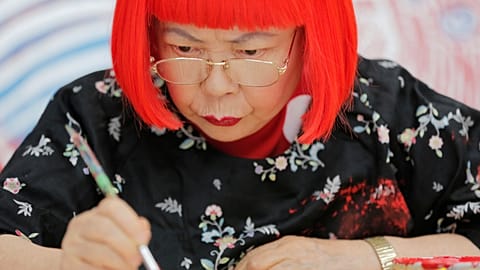
















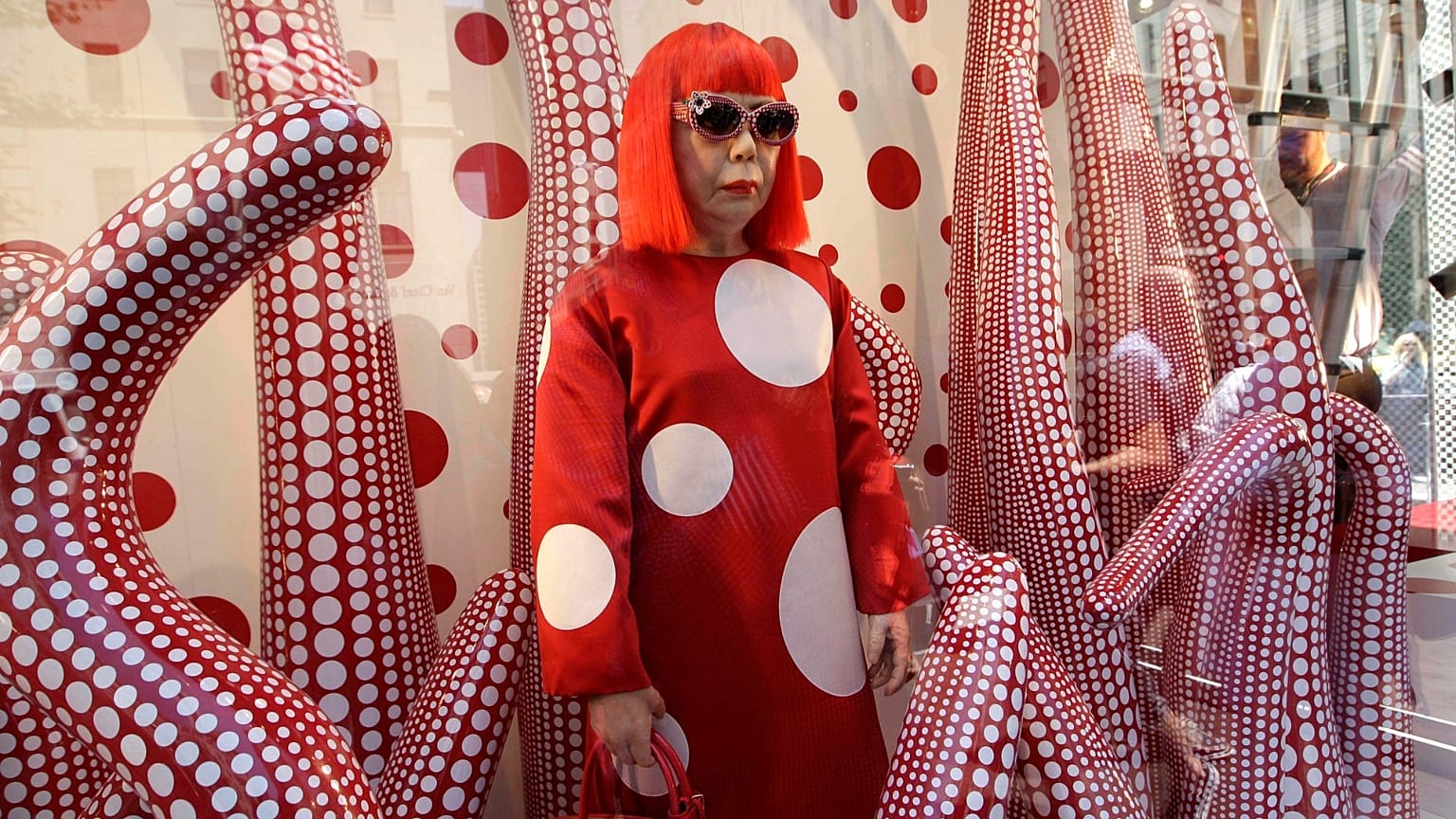
Polka dots, infinity rooms and phallic sculptures: Yayoi Kusama’s art in pictures














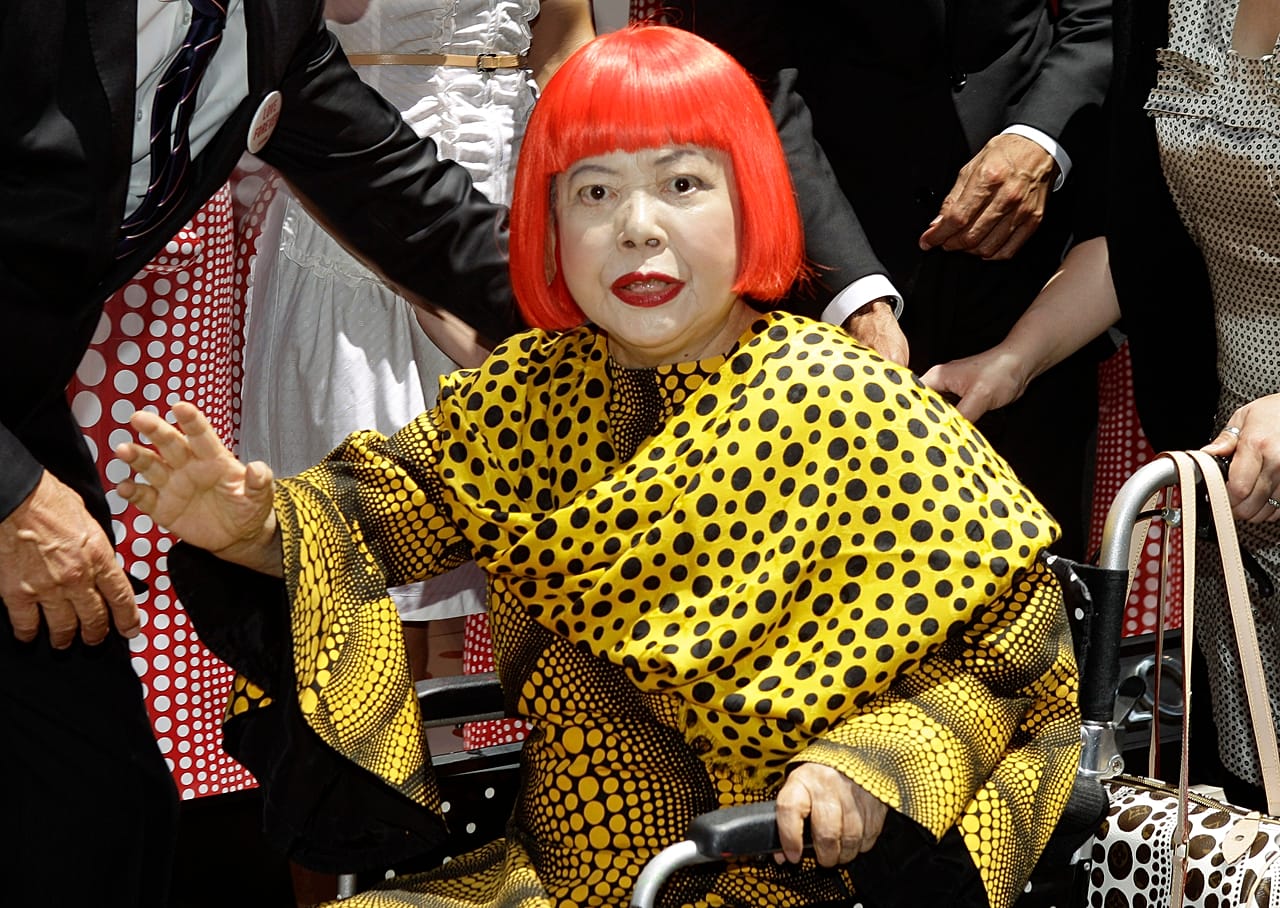
“She continued to paint until her final days, never setting aside her brush, and continued exploration of forever love and eternal soul.” Japanese artist Yayoi Kusama, who splashed her signature polka dots on paintings, sculptures and museum installations around the world, has died aged 97.
Yayoi Kusama, the Japanese artist who became a global superstar later on in life, has died aged 97.
 ADVERTISEMENT
ADVERTISEMENT
ADVERTISEMENT
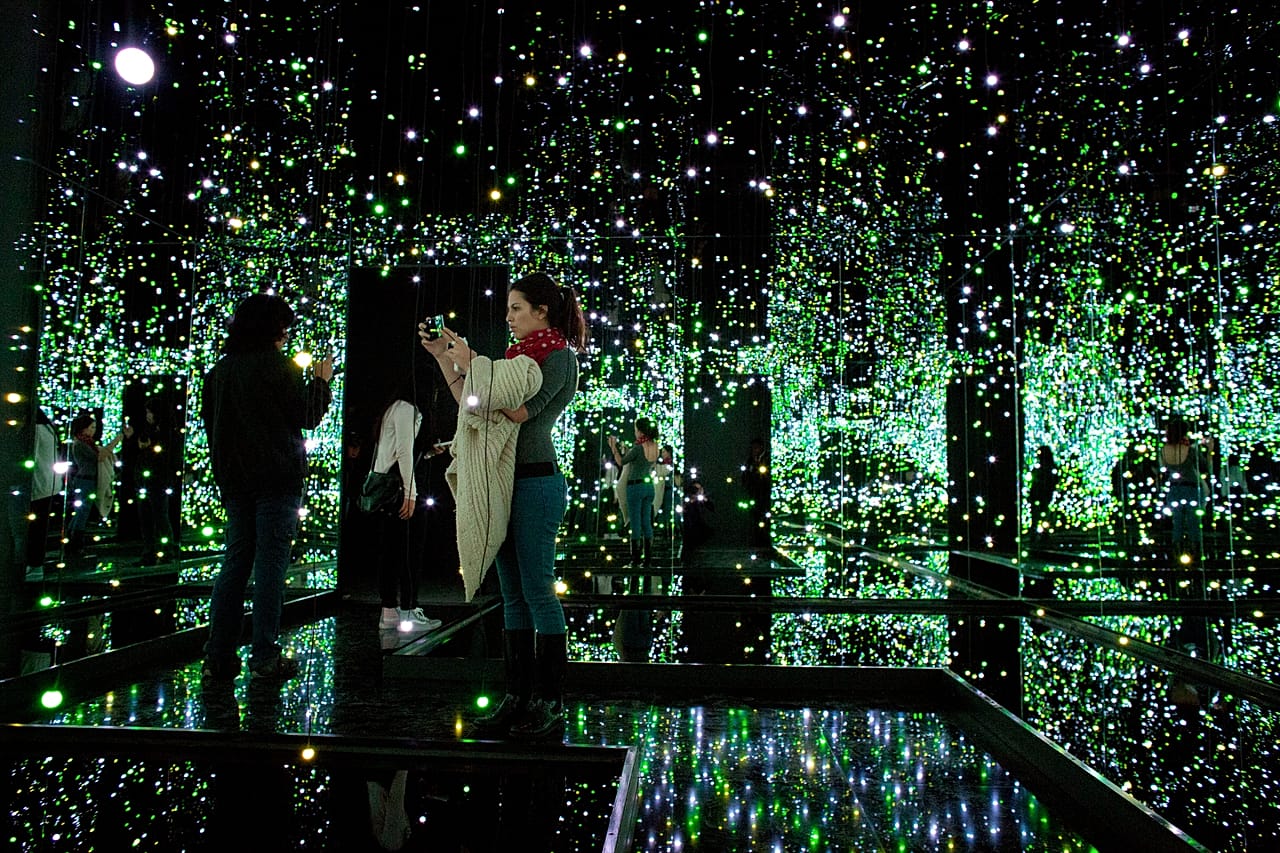
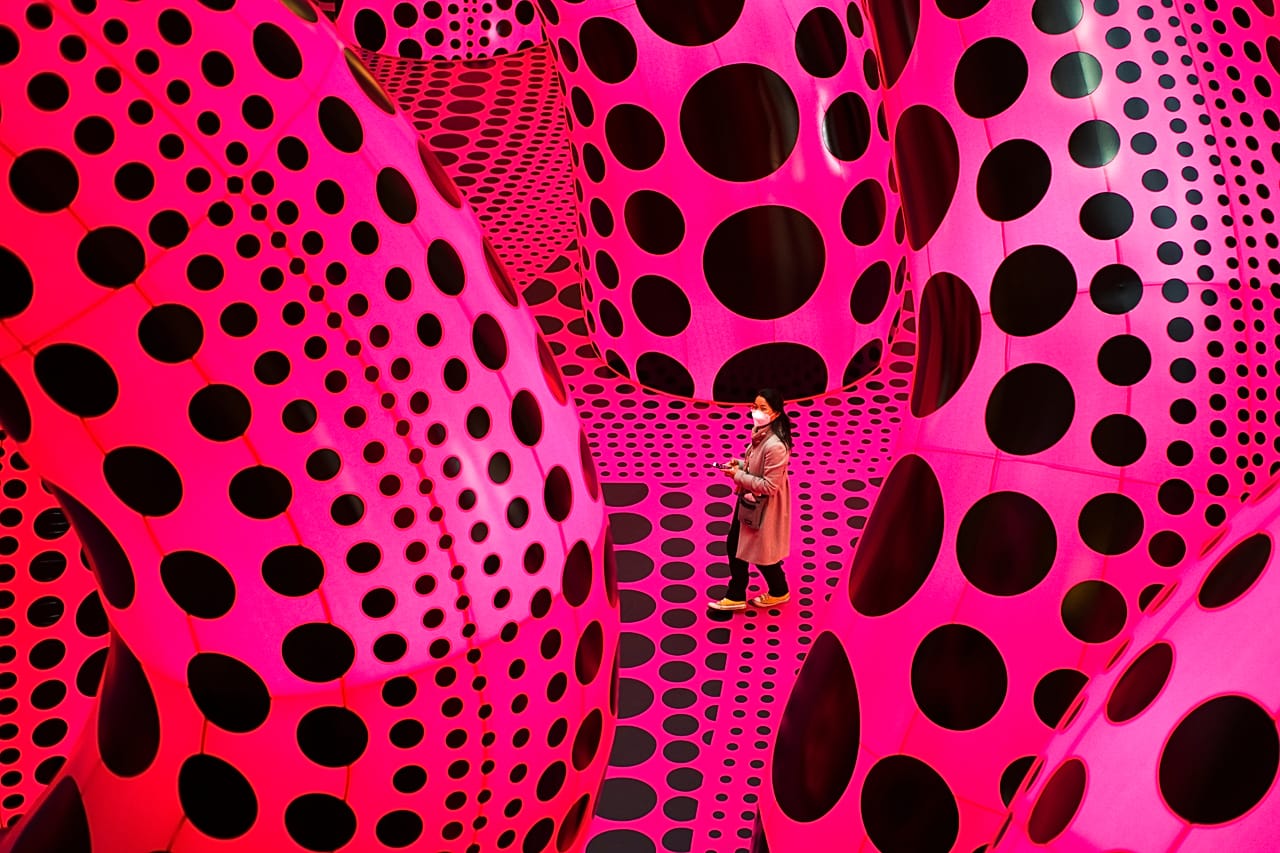
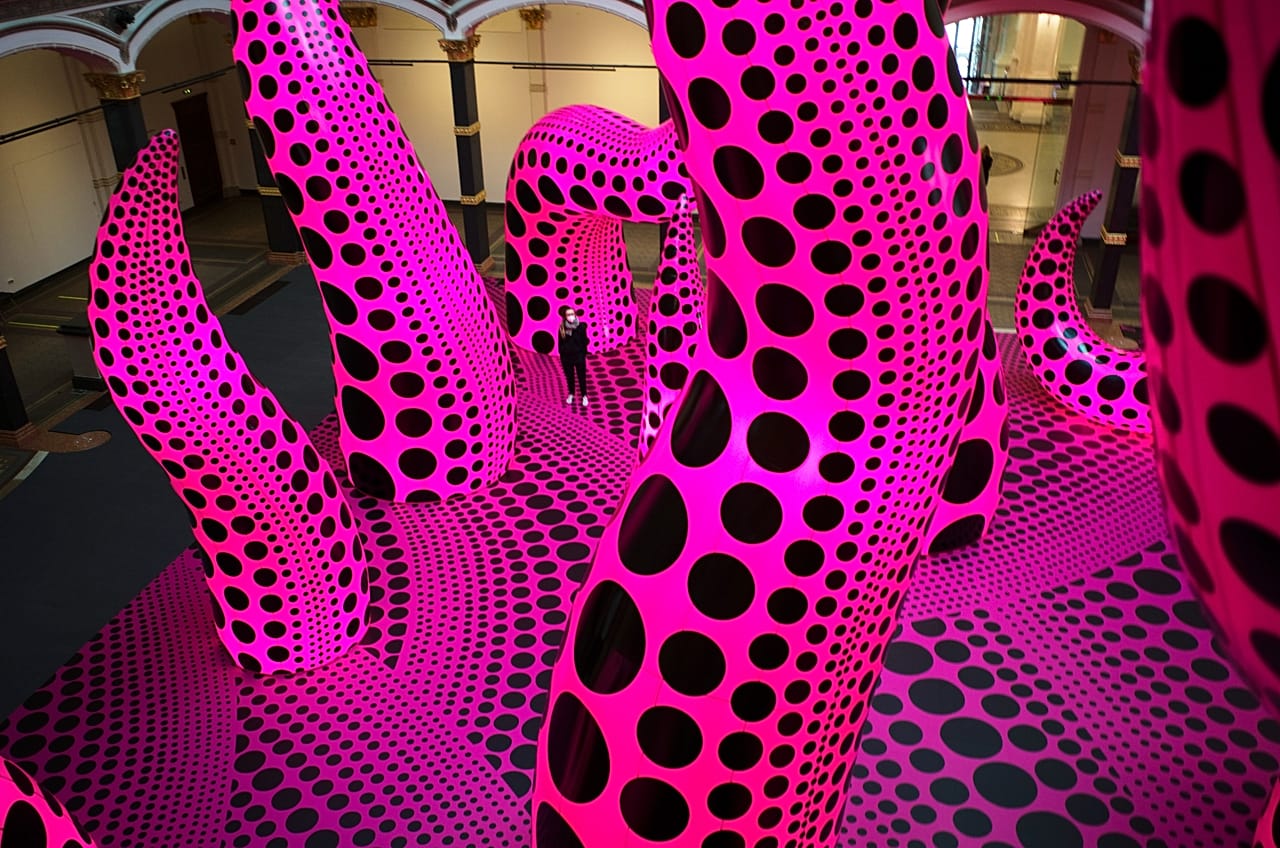
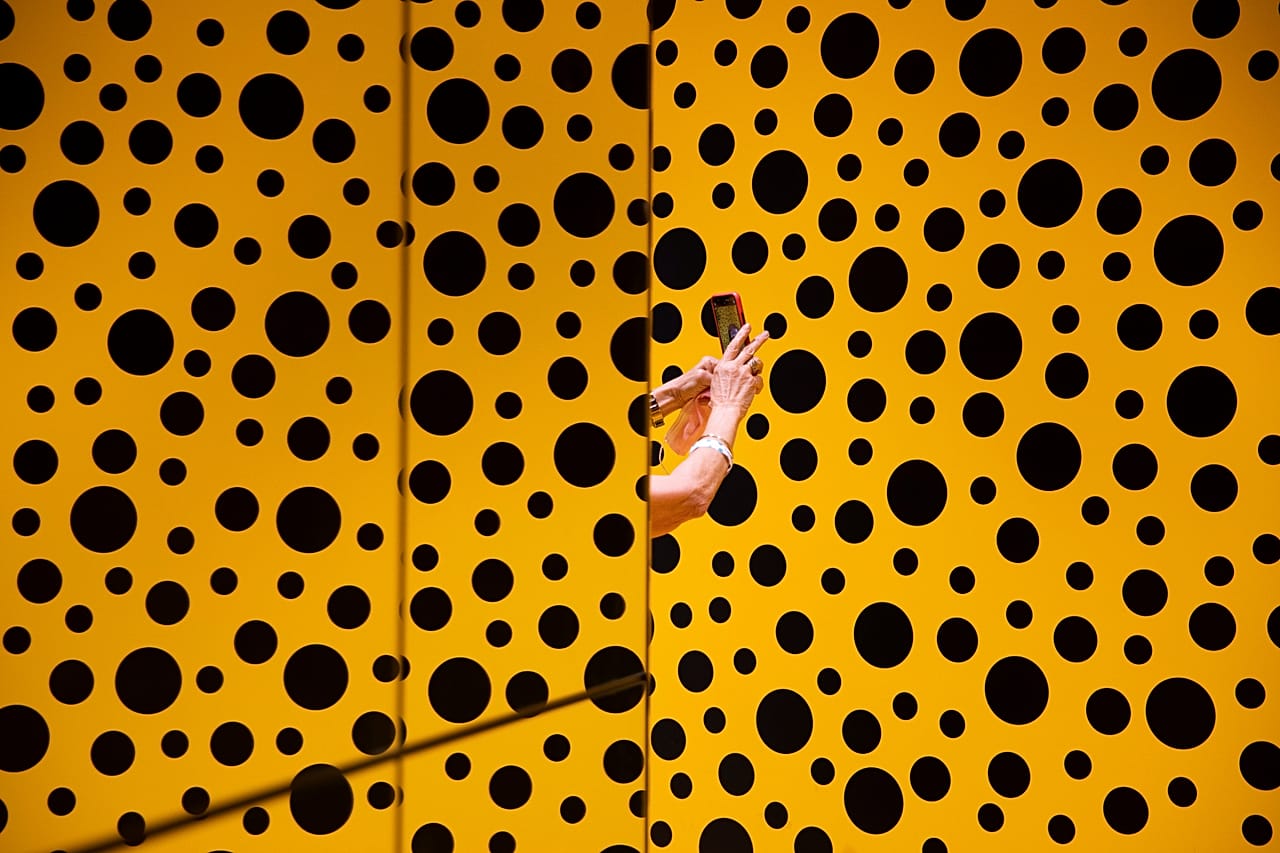
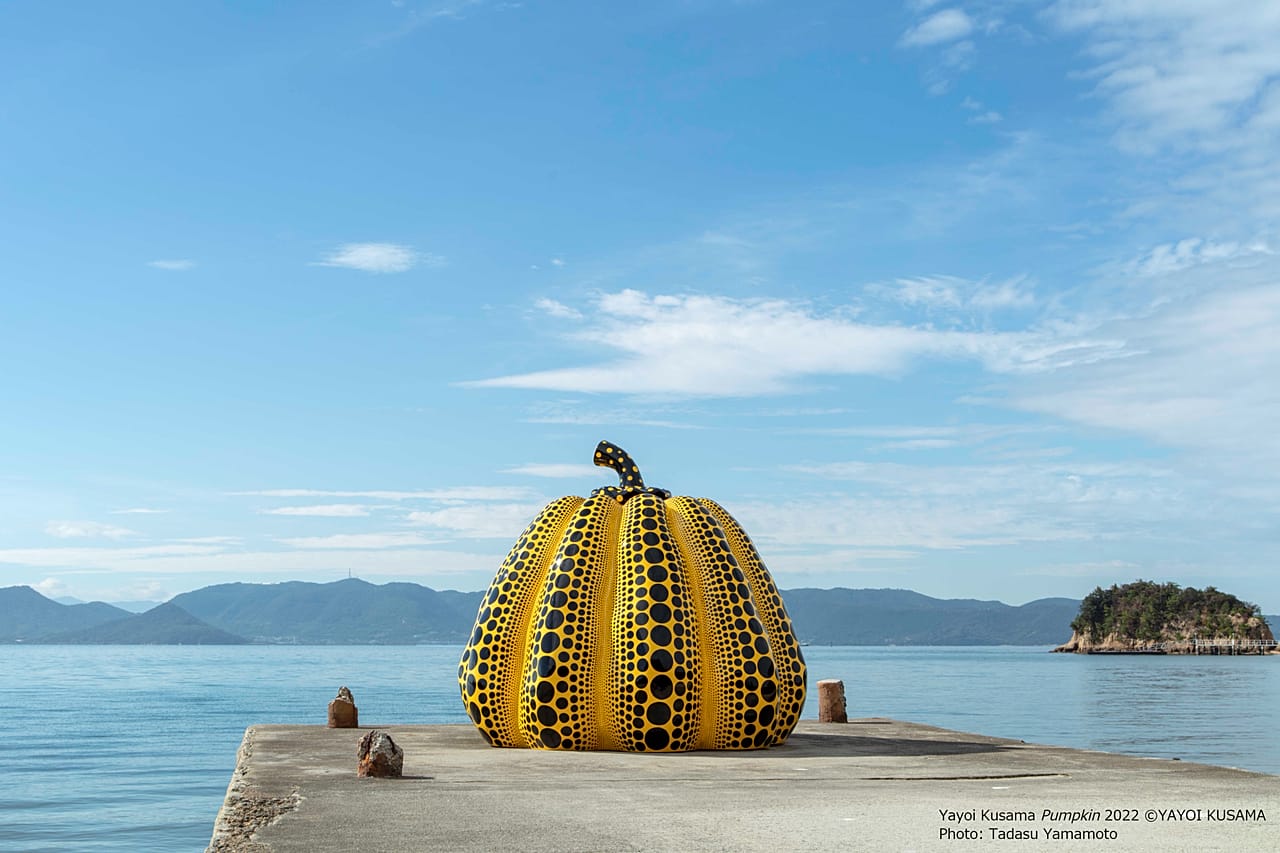
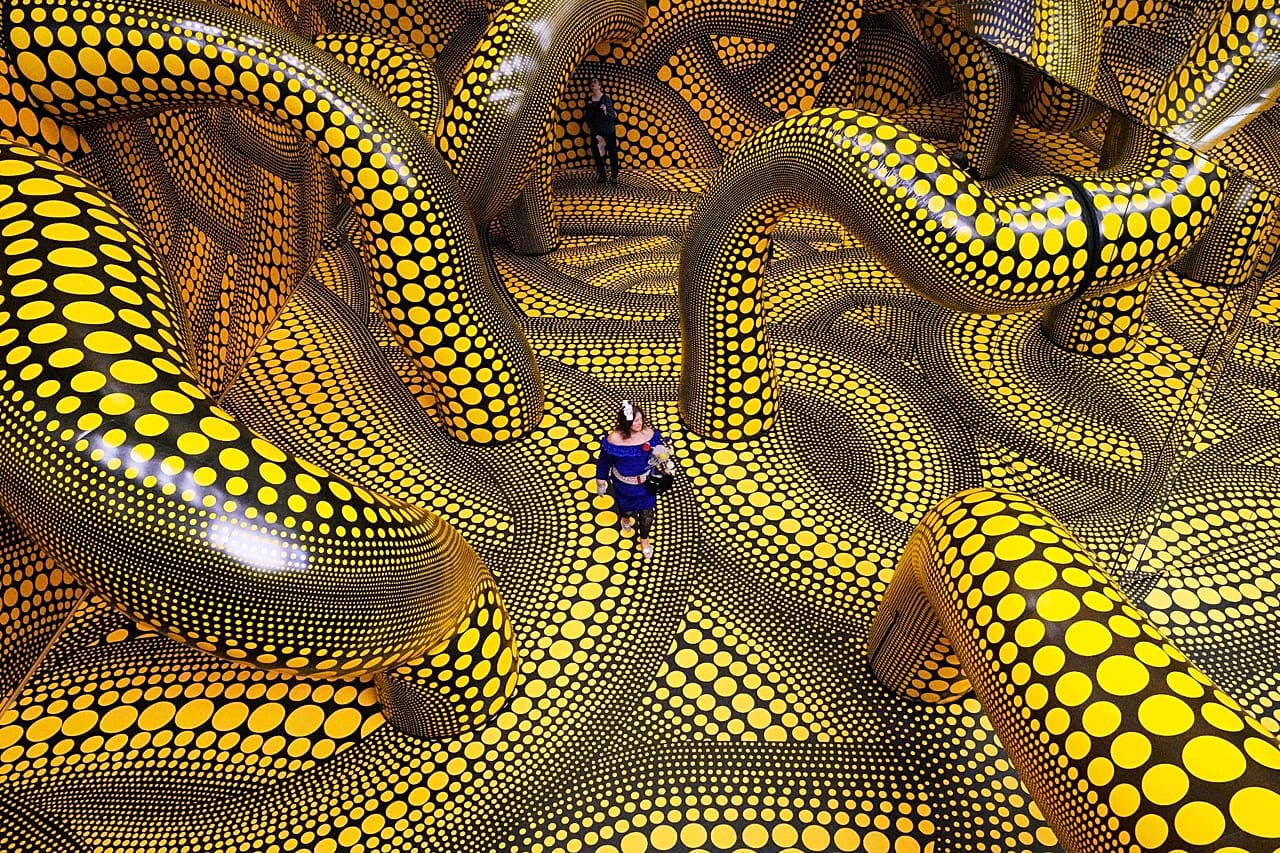
From the 1950s to the 2020s, Kusama produced instantly recognisable giant polka dot artworks, vast psychedelic installations and mirrored infinity rooms which delighted art fans from around the world.
“Throughout an extraordinary lifetime devoted entirely to artistic creation, Kusama pursued an internationally acclaimed career as a pioneering avant garde artist whose creative practice encompassed visual art, performance, fiction, and poetry,” a statement announcing her death read. “She continued to paint until her final days, never setting aside her brush, and continued exploration of forever love and eternal soul.”
“We will carry forward Kusama’s wishes and, through art, continue to bring hope and strength for the future to people around the world.”
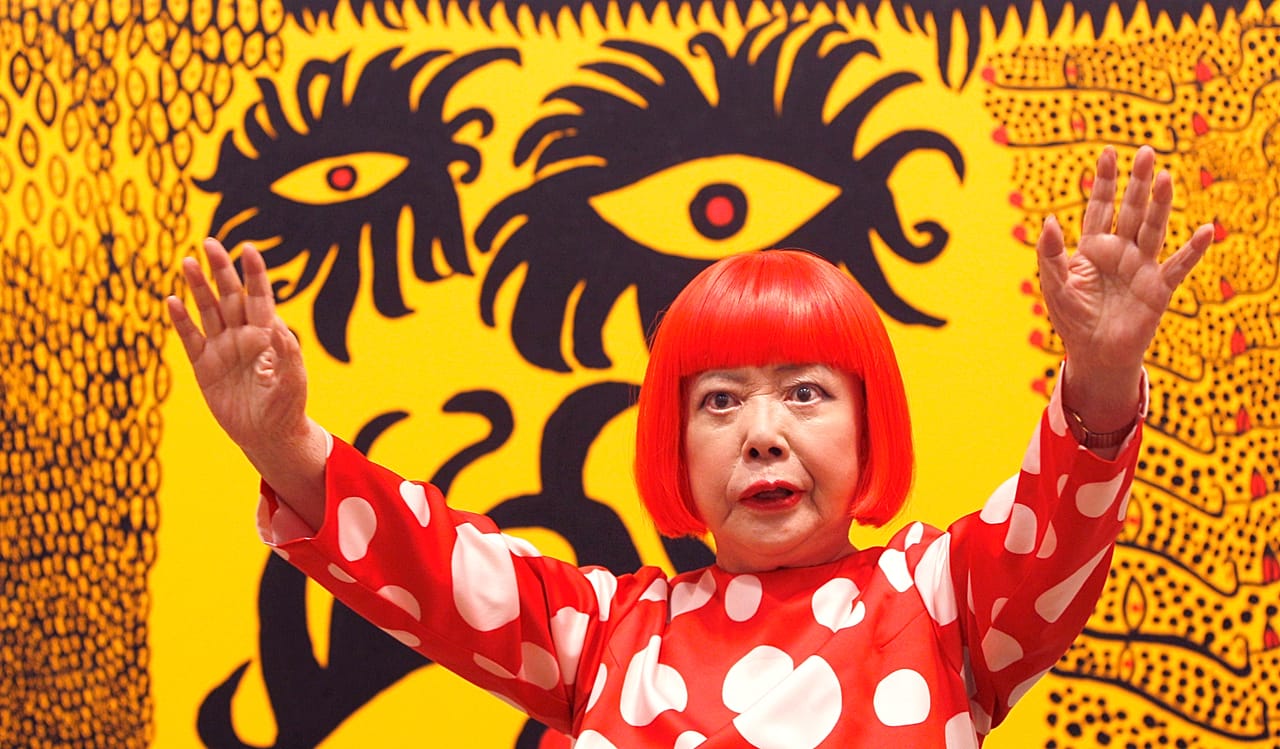
Born in Matsumoto, Japan, in 1929, Kusama had an unhappy childhood and began experiencing hallucinations – something which she channelled into her art.
Rejecting her conservative upbringing and planned future of an arranged marriage, Kusama left Japan for New York in 1958. There, the masculine-dominated art scene was shaken up by Kusama’s “infinity net” paintings and phallic sculptures. She inspired countless artists, including Andy Warhol, and was frustrated at how her ideas were copied by various male artists who enjoyed more privileges than she did when it came to gallery exhibitions.
She returned to Japan and voluntarily entered a psychiatric facility in 1977, where she would live and work for the remainder of her life.
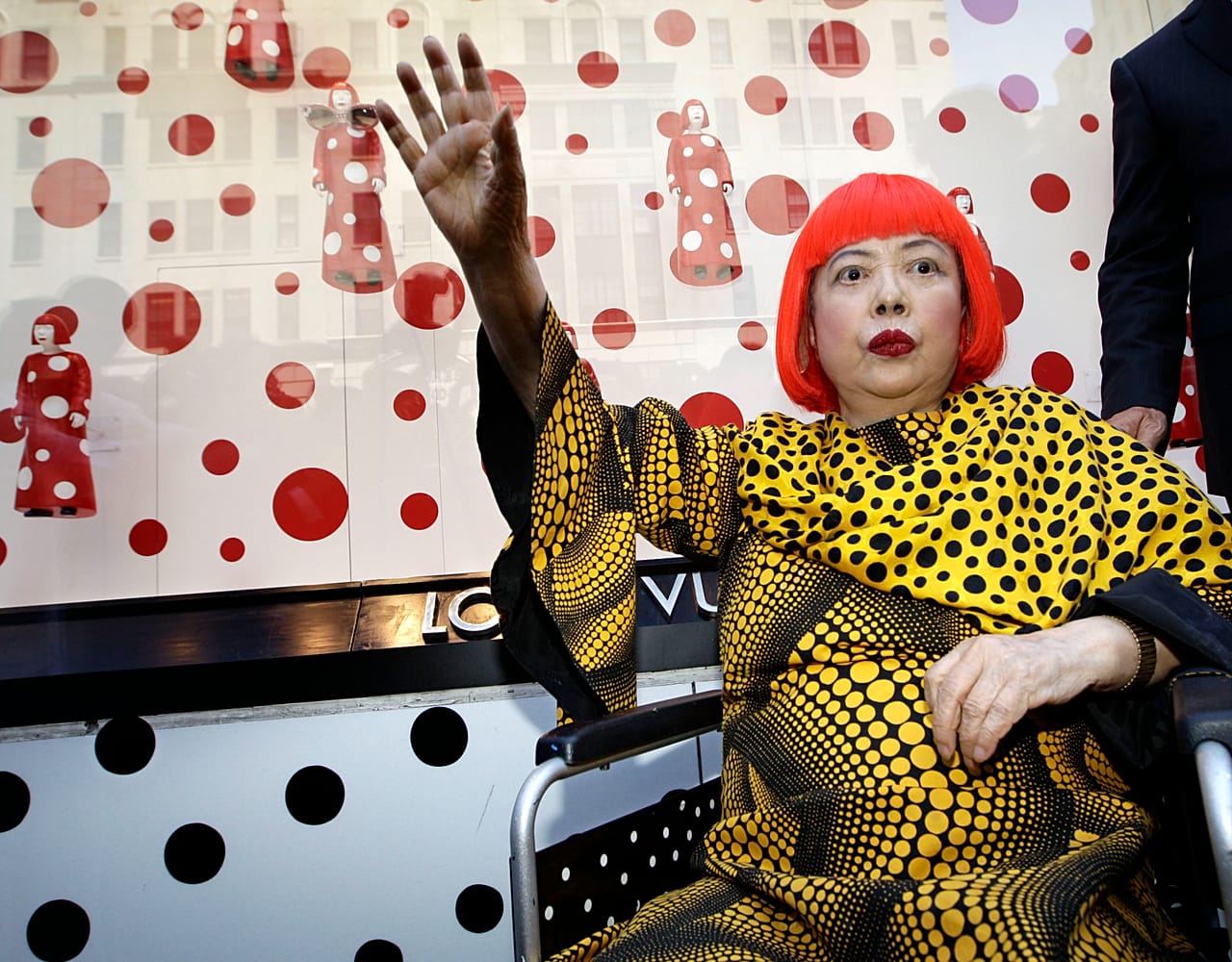
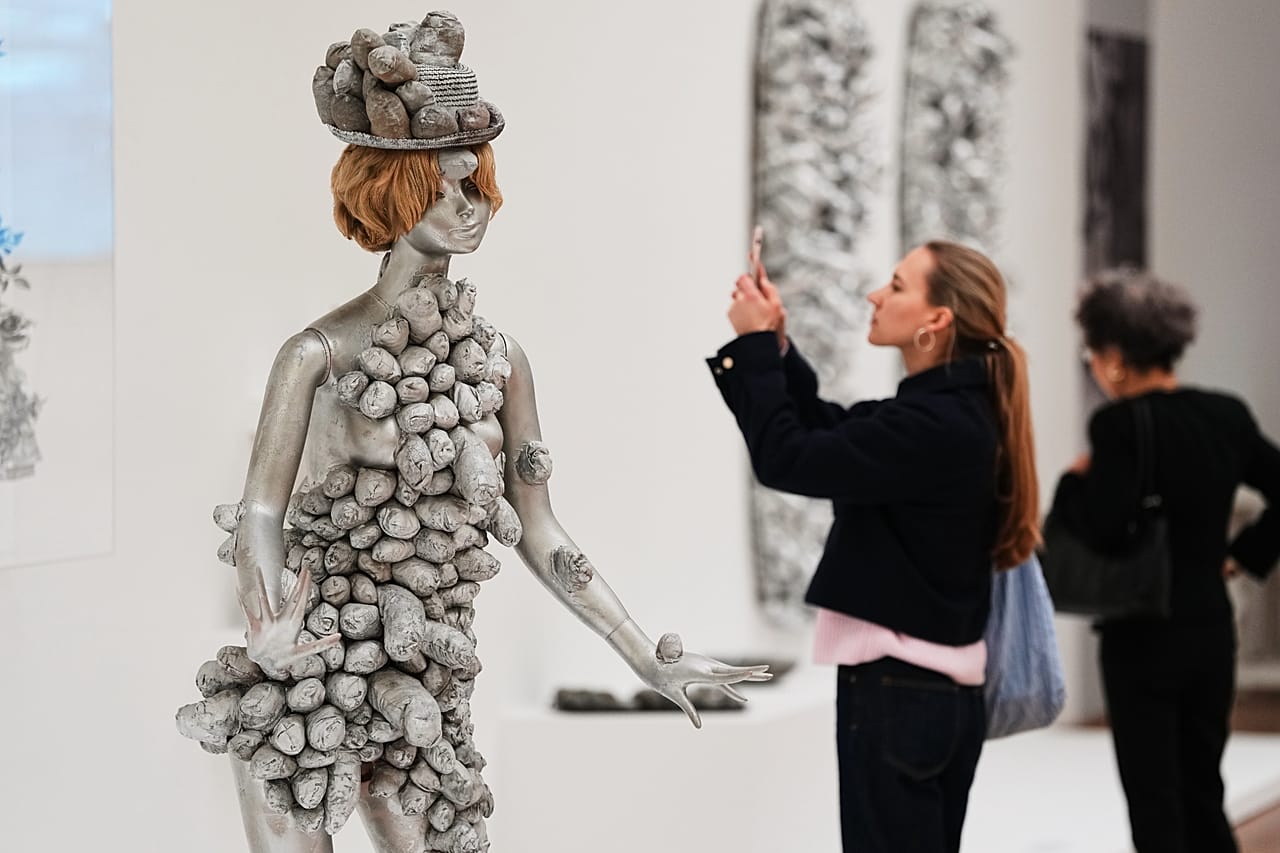
Throughout her life, she staged “body festivals” and happenings, created “soft sculptures”, and developed a flair for anti-establishment artistic statements which courted controversy.
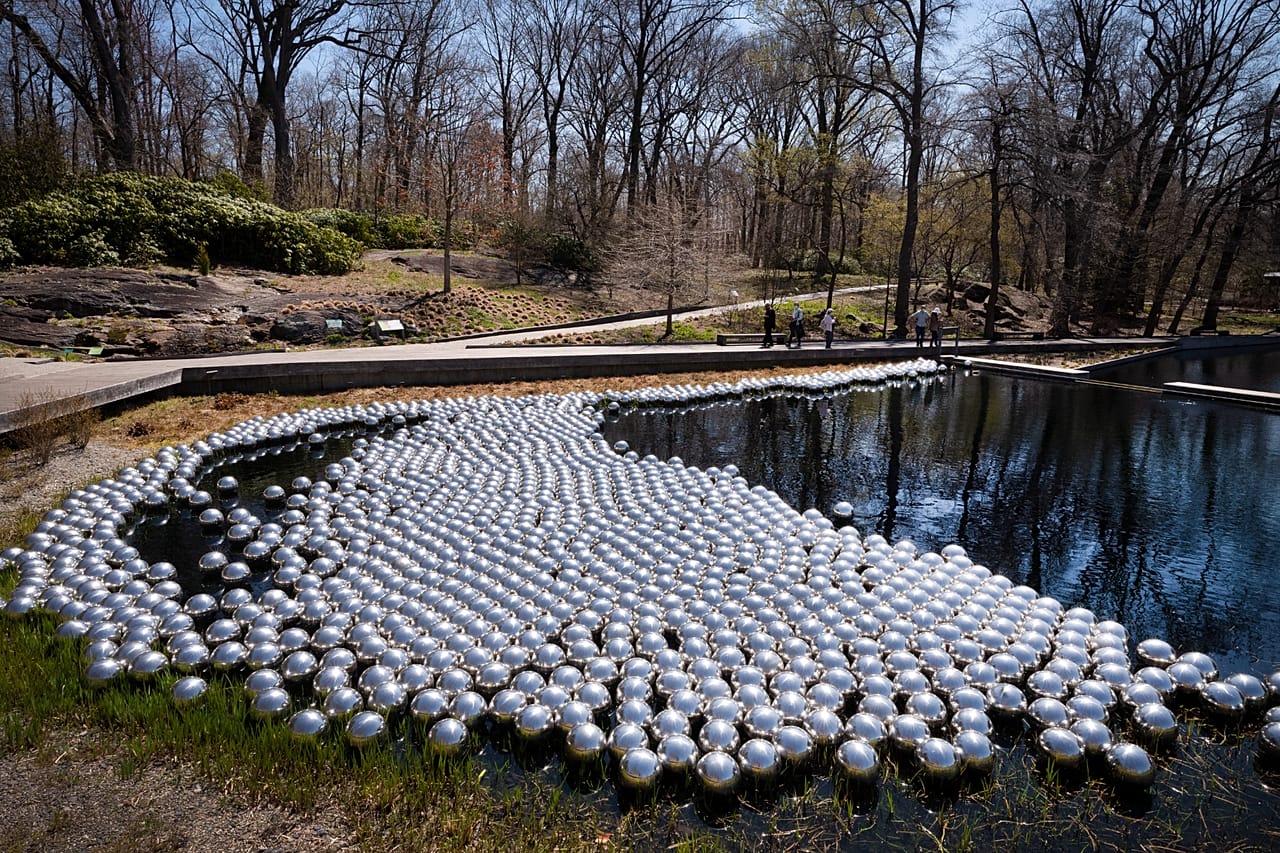
She once wrote to US president Richard Nixon offering to sleep with him in exchange for an end to the Vietnam war; presented her Narcissus Garden at the 1966 Venice Biennale and sold the reflective balls from the piece under a banner “Your narcissism for sale”; staged New York’s first homosexual wedding in 1968; and washed a “dirty” Soviet flag outside the UN building.
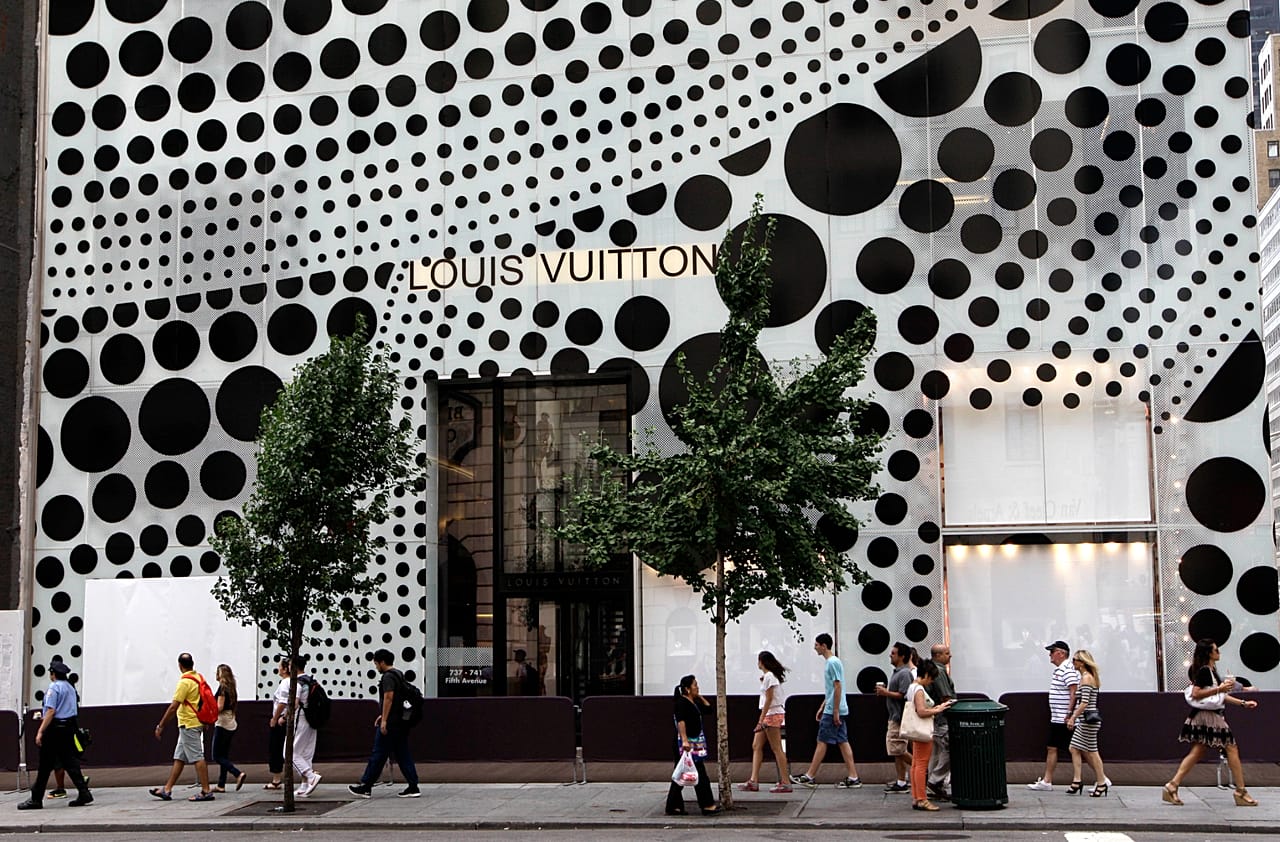
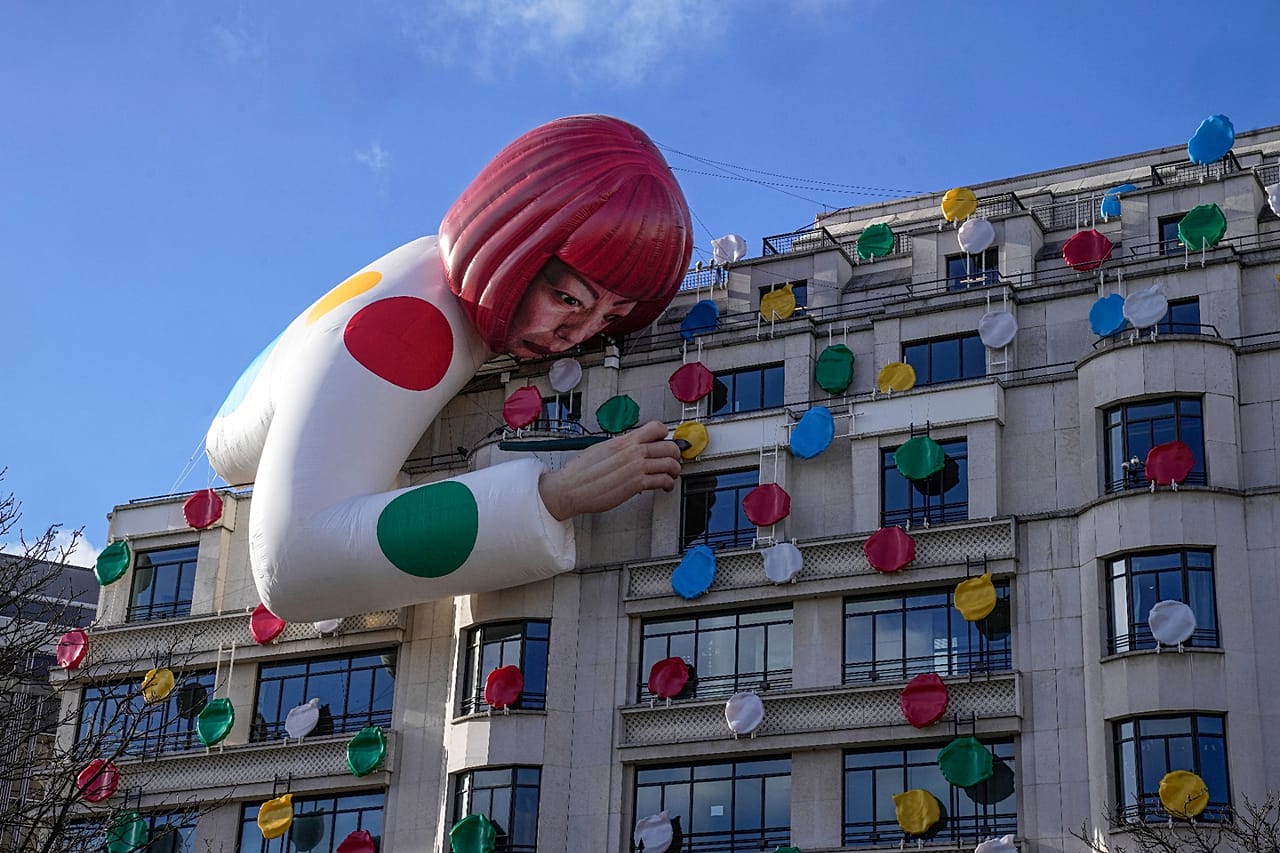
After having been mostly overlooked for decades, Kusama found and enjoyed fame later on in life. Her work appeared in major museums around the world and she even signed on with fashion and luxury brands like Louis Vuitton. She began setting records for living female artists at auctions and was awarded the Order of Culture - the most prestigious award Japan gives its artists – in 2016.
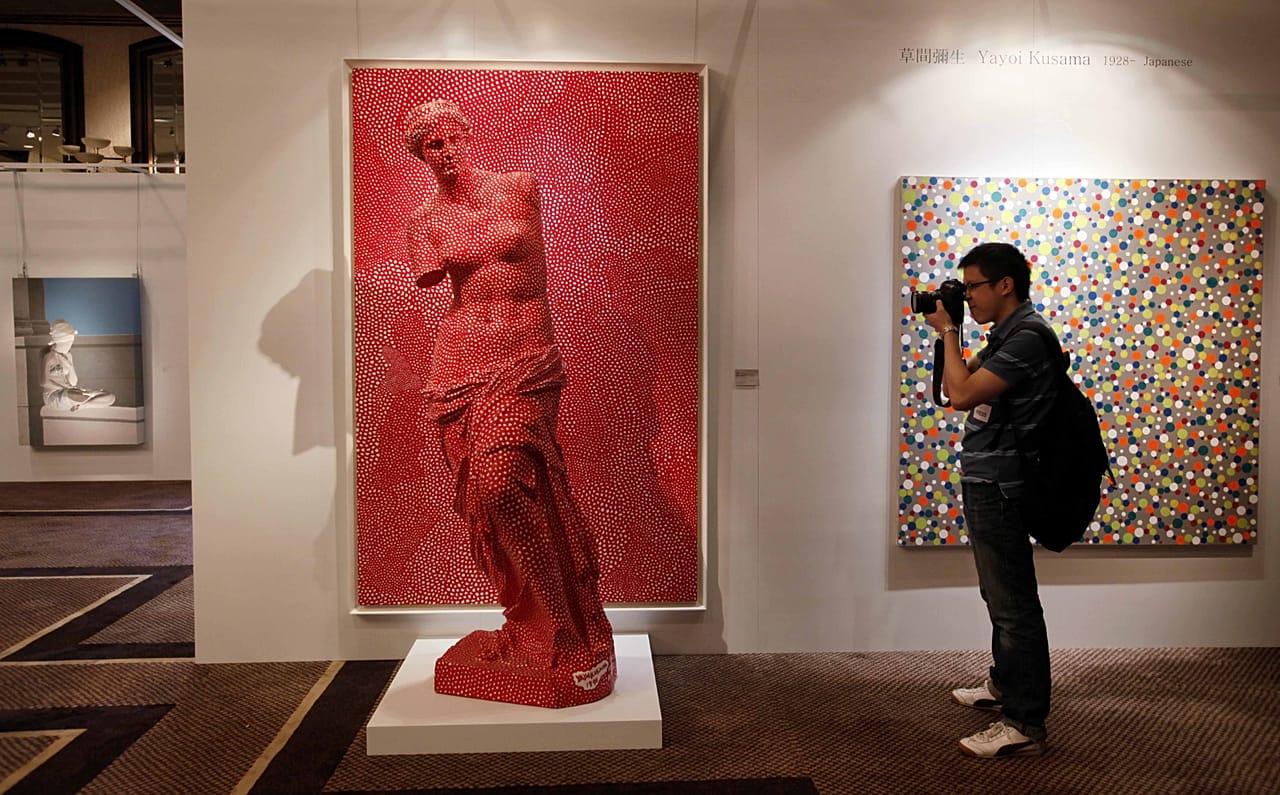
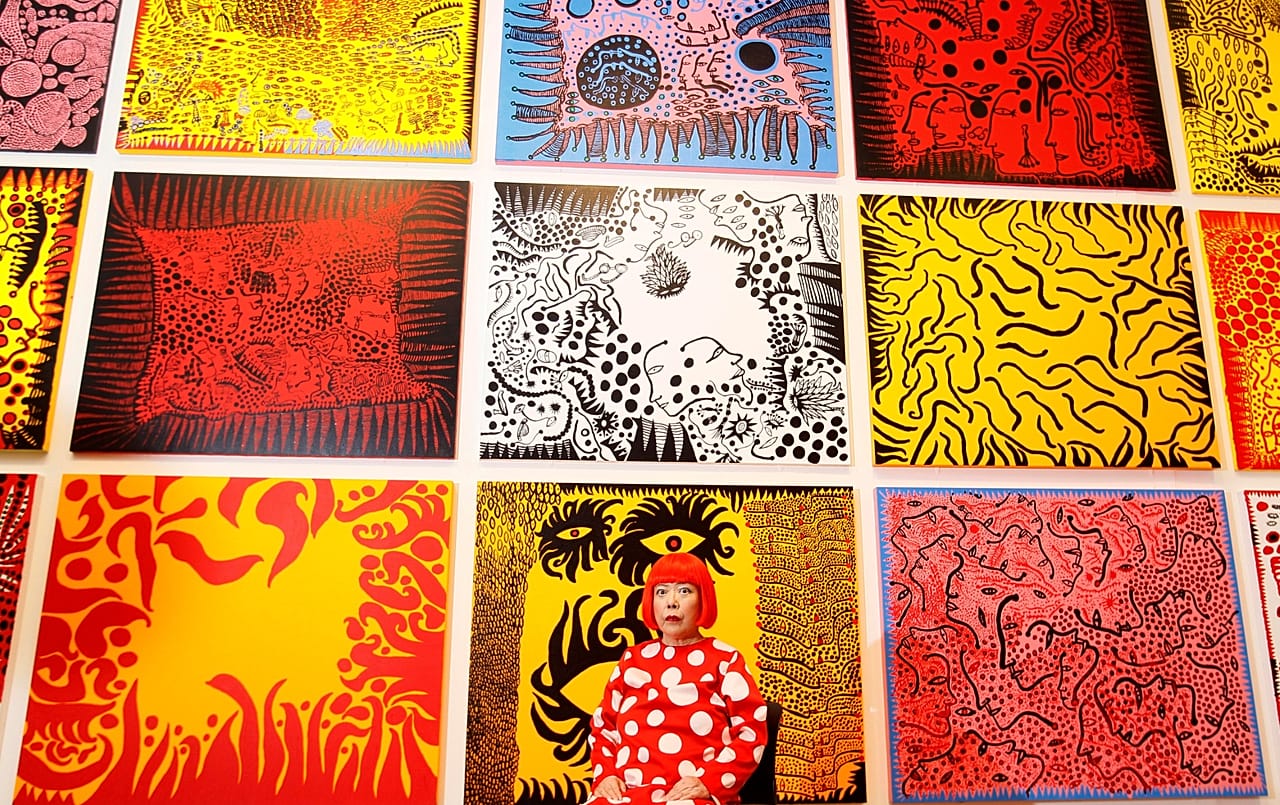
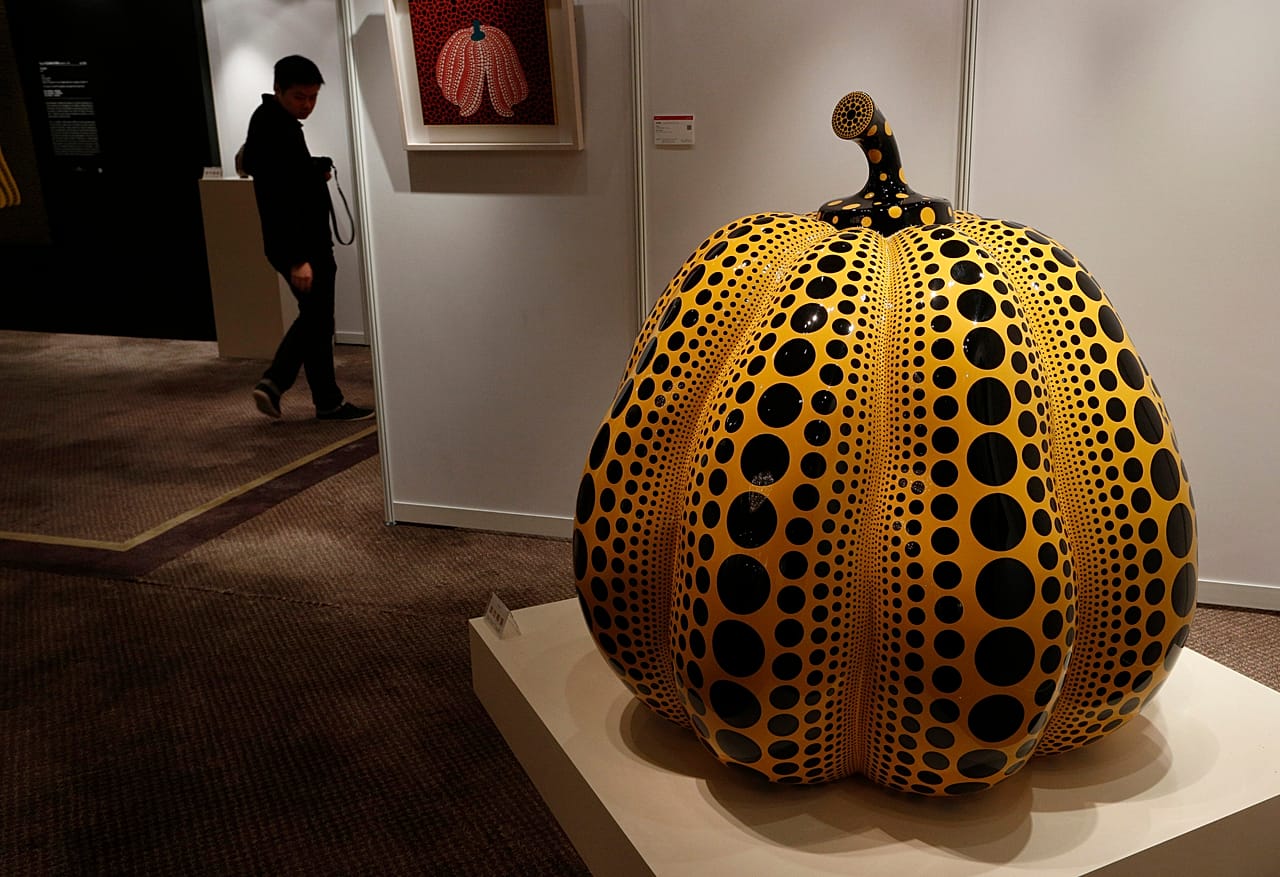
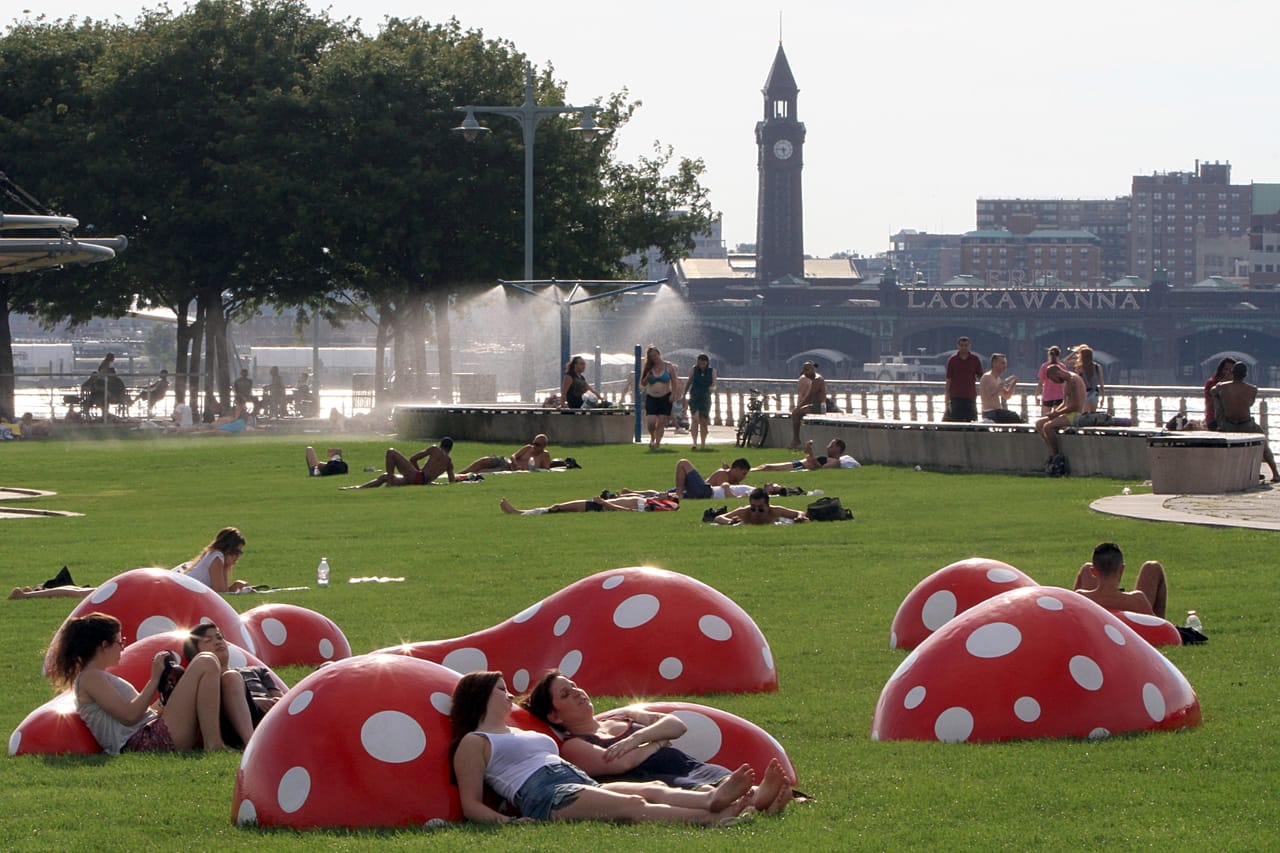
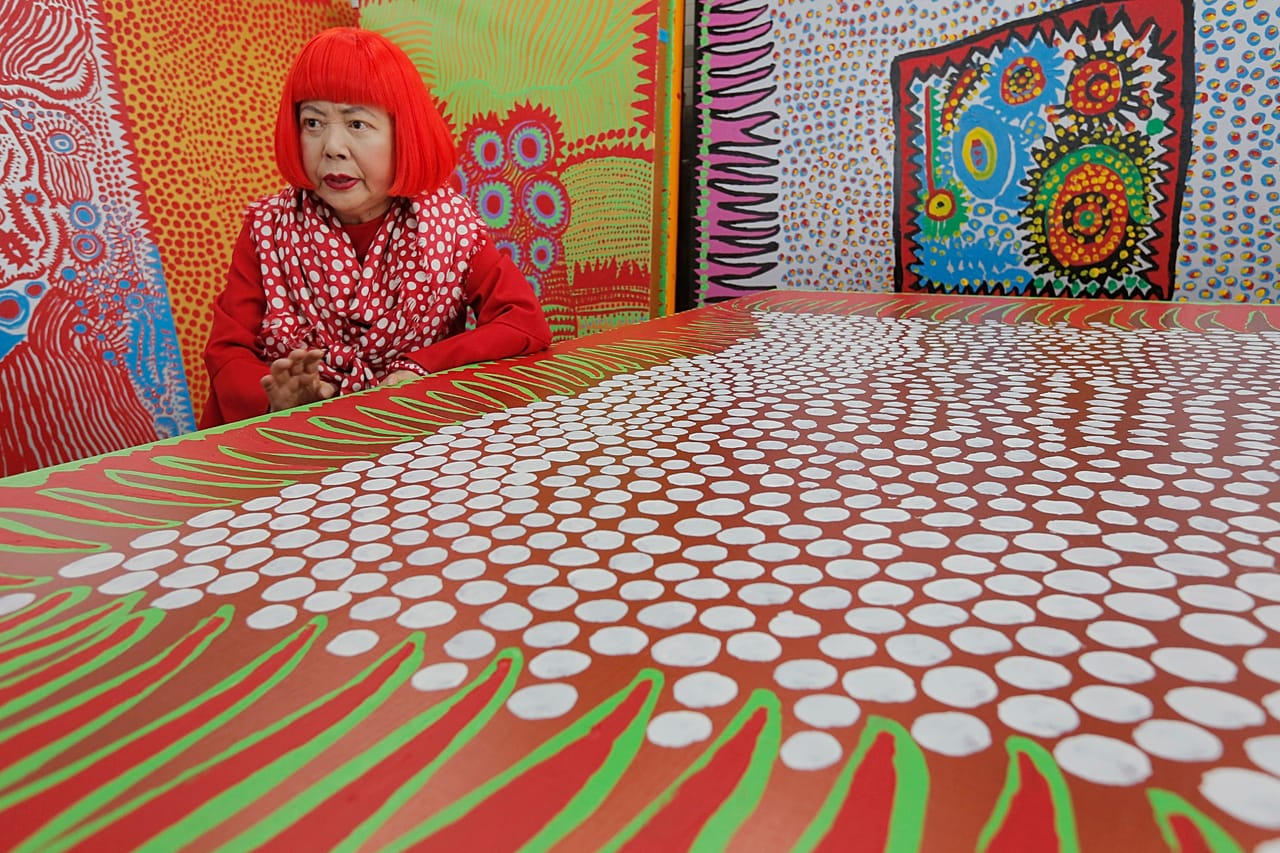
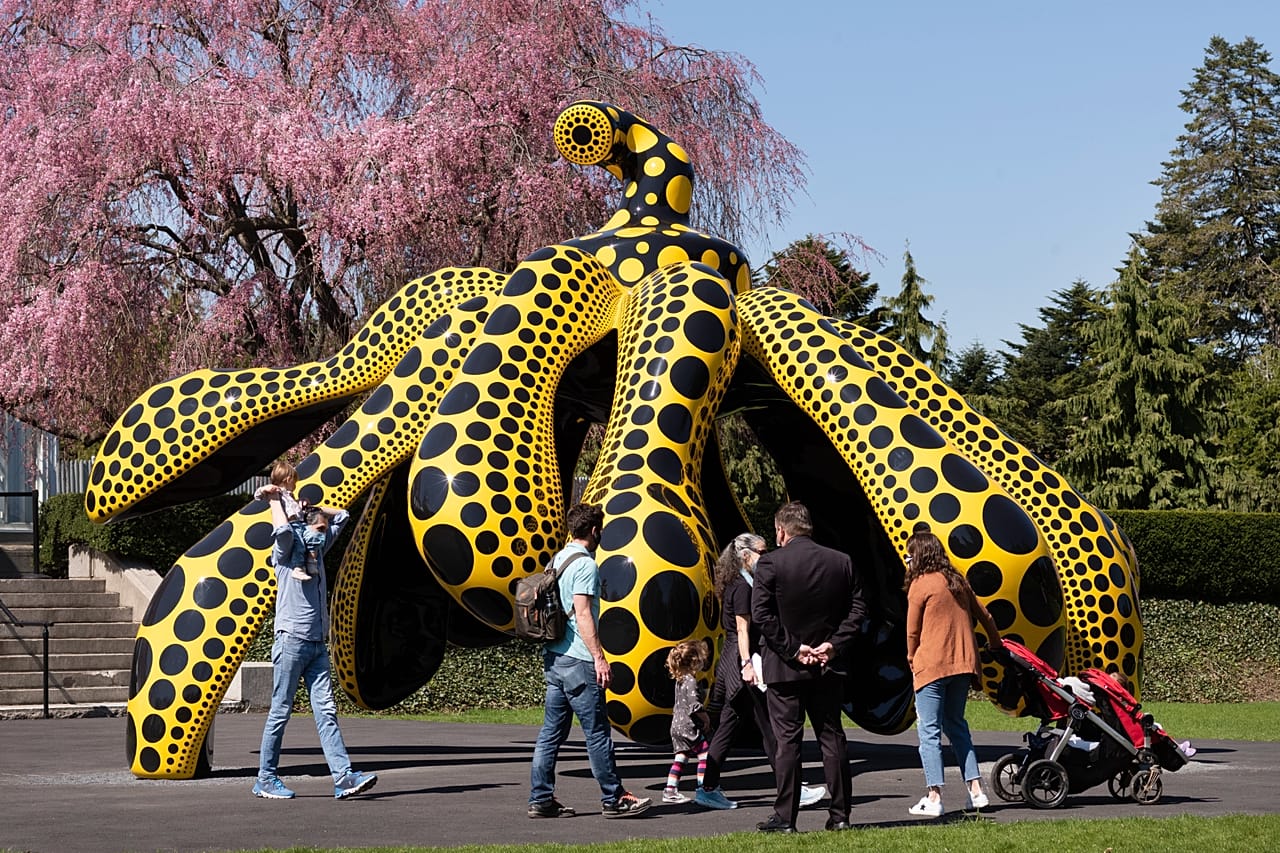
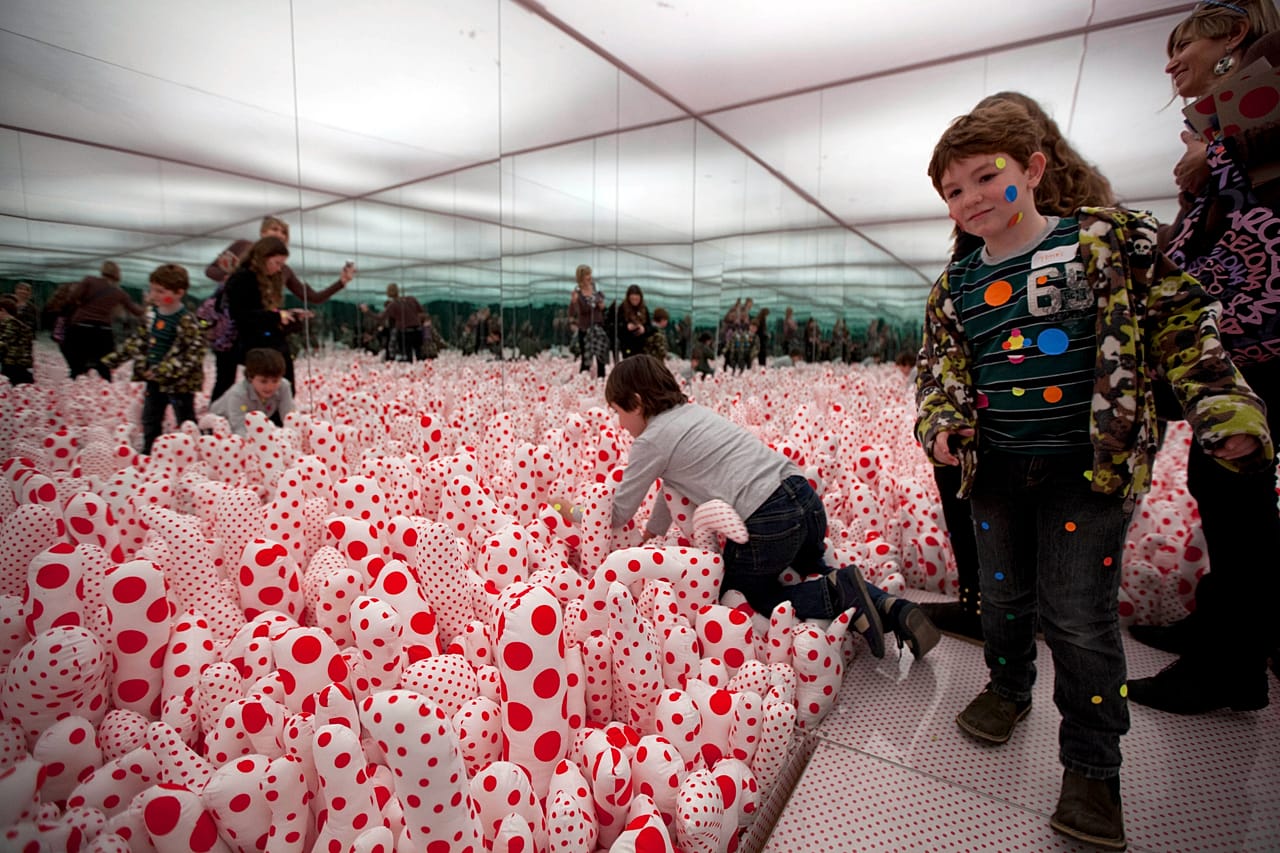
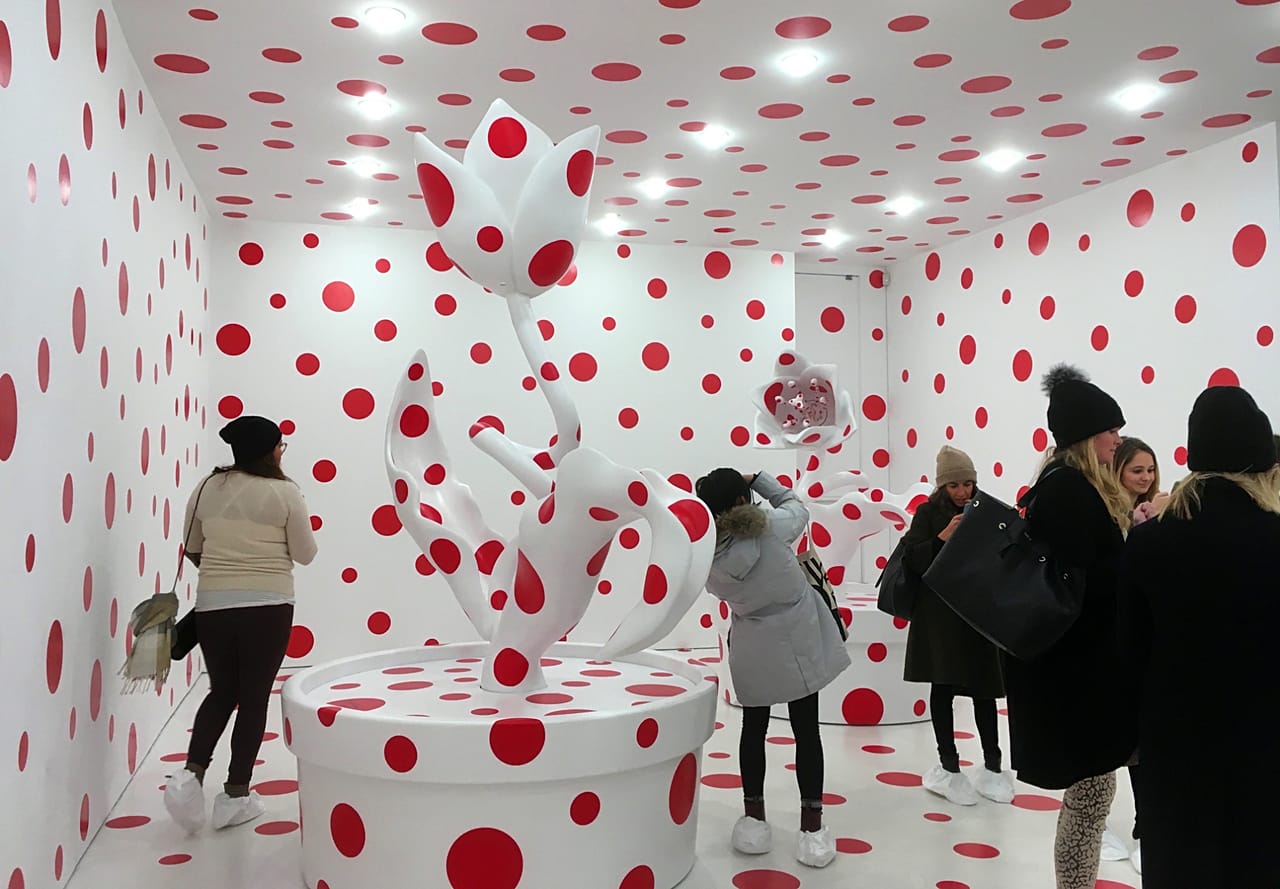
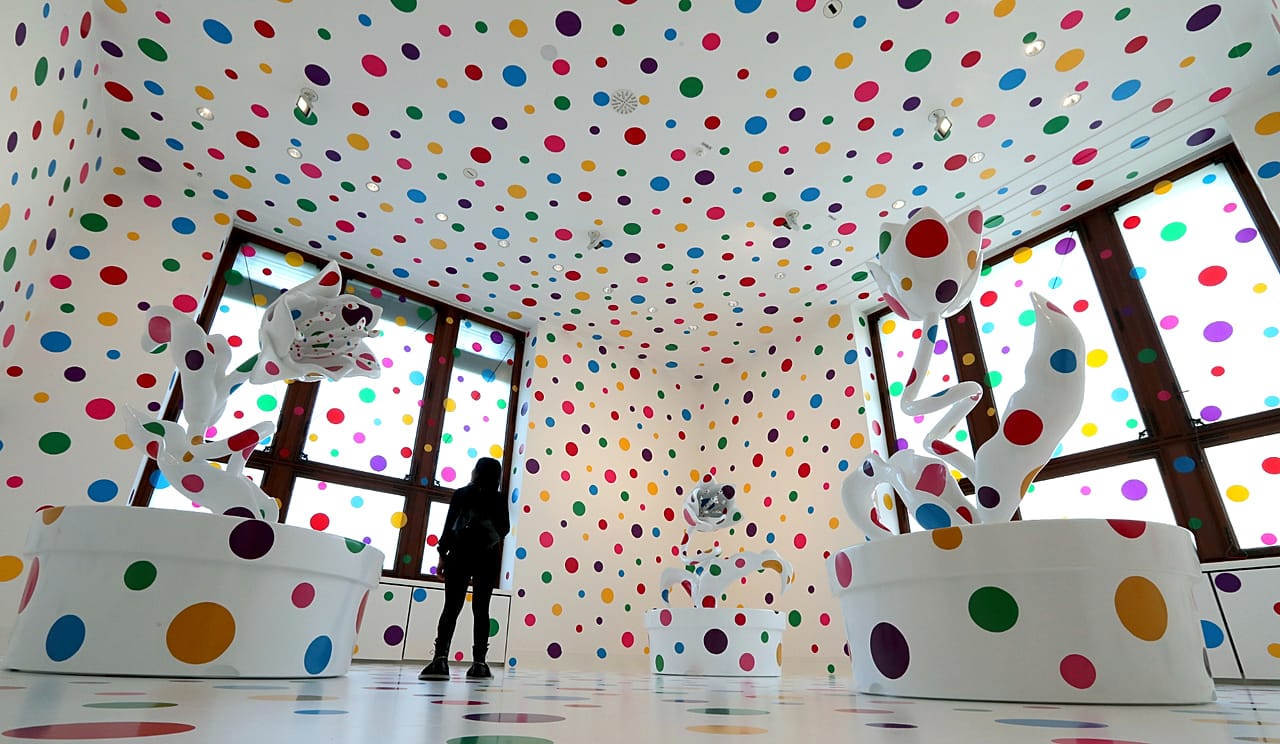
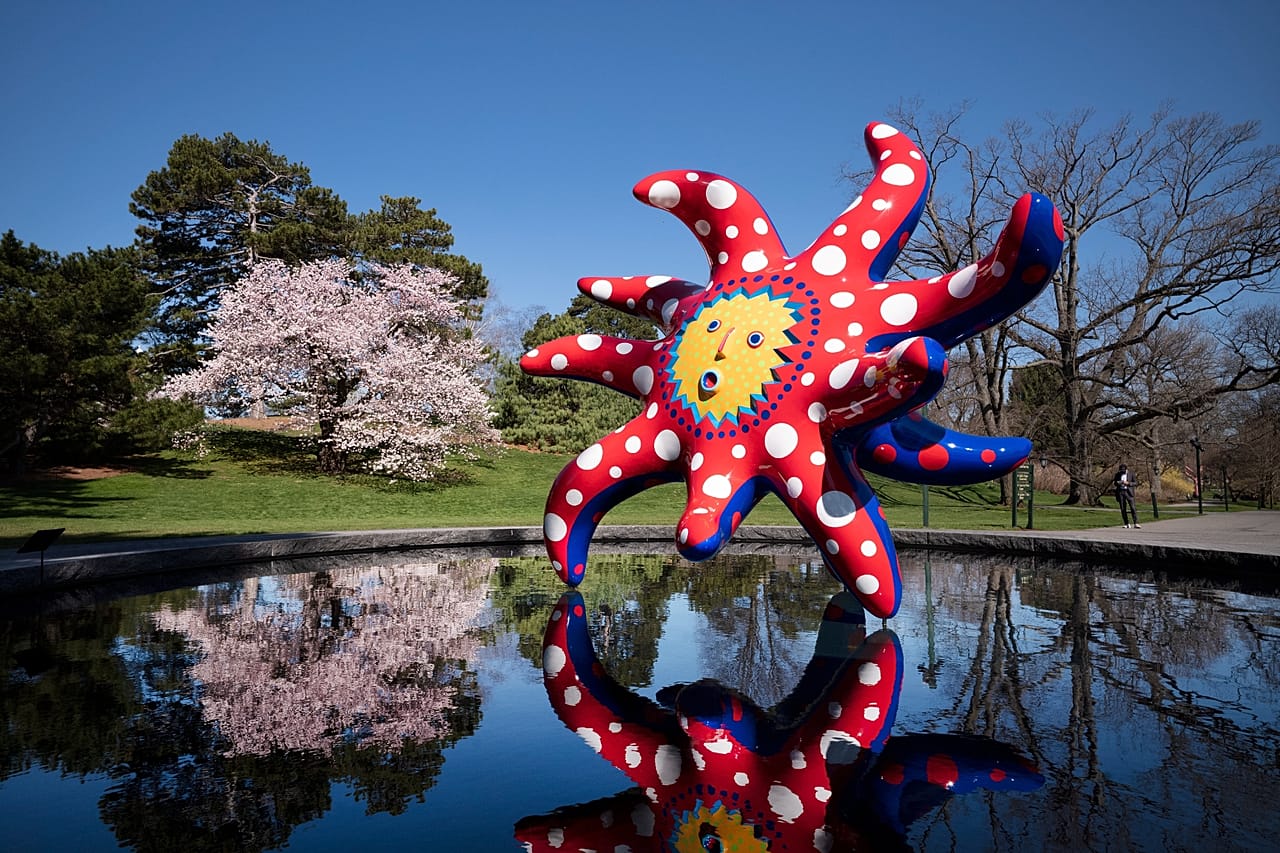
Here are pictures of some of her most famous works and recent exhibitions:
RIP Yayoi Kusama 1929 - 2026