















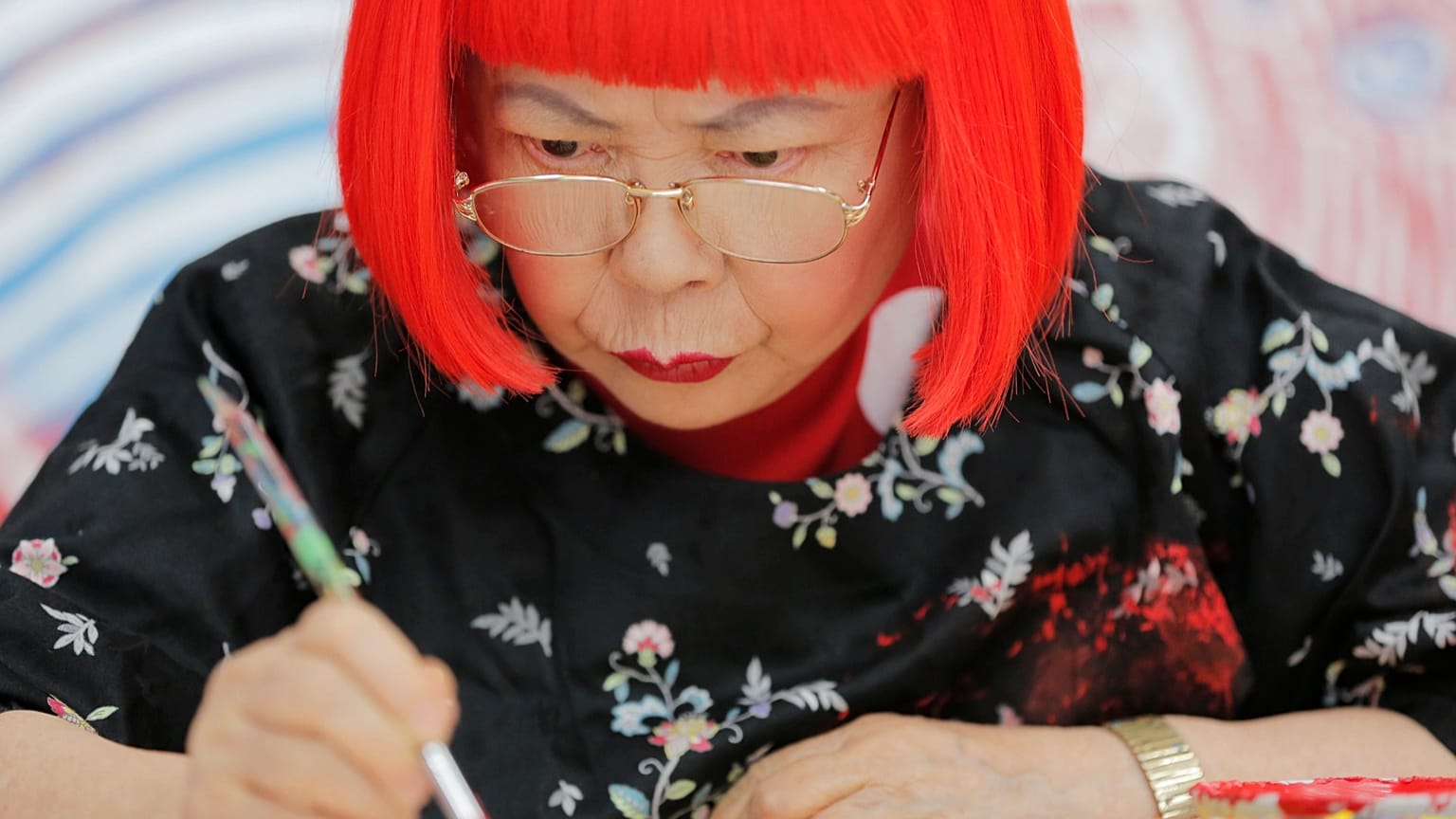














From the 1950s to the 2020s, Kusama produced instantly recognisable giant polka-dot artworks and sculptures, and was recognised later on in her life as a global superstar in the art world.
Japanese artist Yayoi Kusama, known for her sculptures and installations around the world, has died at the age of 97.
 ADVERTISEMENT
ADVERTISEMENT
ADVERTISEMENT
Kusama died on 14 August at a hospital in Tokyo, her studio said on Thursday. The cause of death was not disclosed.
“She continued to paint until her final days, never setting aside her brush, and continued exploration of forever love and eternal soul,” the studio's statement said. “We will carry forward Kusama’s wishes and, through art, continue to bring hope and strength for the future to people around the world.”
Kusama was best known for her colourful, psychedelic works featuring repetitive patterns, especially her trademark dots. Her works exhibited in major museums worldwide.
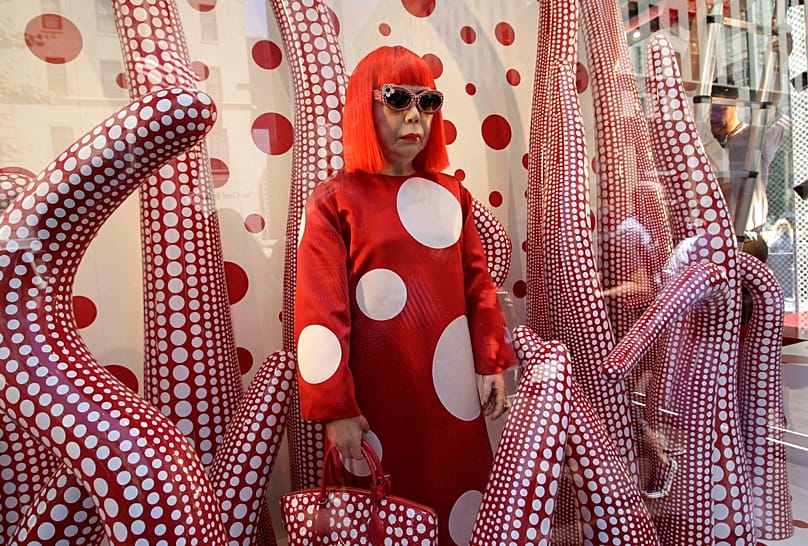
“Polka dots are fabulous,” Kusama said in a 2012 interview with The Associated Press, appearing in her signature orange bob wig and polka dot attire.
“I want to create a thousand paintings, maybe two thousand paintings, as many as I can draw,” she said in her childlike but matter-of-fact tone. “I will keep painting until I die.”
Kusama said her signature dots reflected hallucinations she experienced from childhood. Despite years in psychiatric institutions, she pursued an international career, moving to New York in 1957.
When Kusama arrived in New York, “action painting” dominated the art scene, while her distinctive dots remained outside the mainstream. She faced years of poverty and obscurity but continued developing her style.
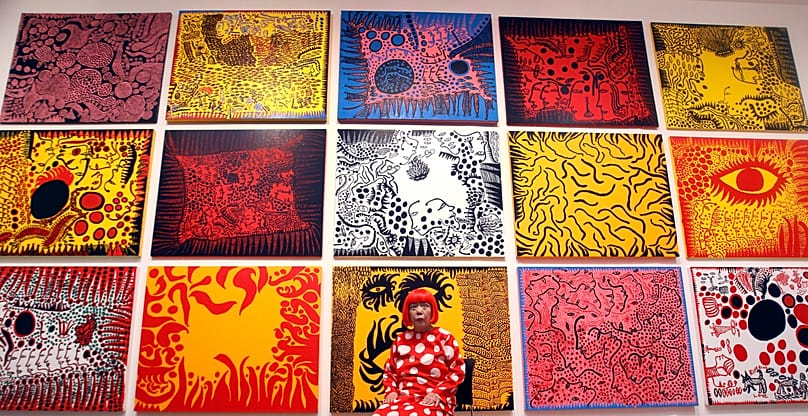
In the late 1960s, she gained attention with anti-war “happening” performances and befriended artists including Andy Warhol, Georgia O’Keeffe and Joseph Cornell.
Her works included “Macaroni Girl,” exploring the fear of food, the giant tulip sculptures “The Visionary Flowers,” and the mirrored installation “Mirrored Corridor.”
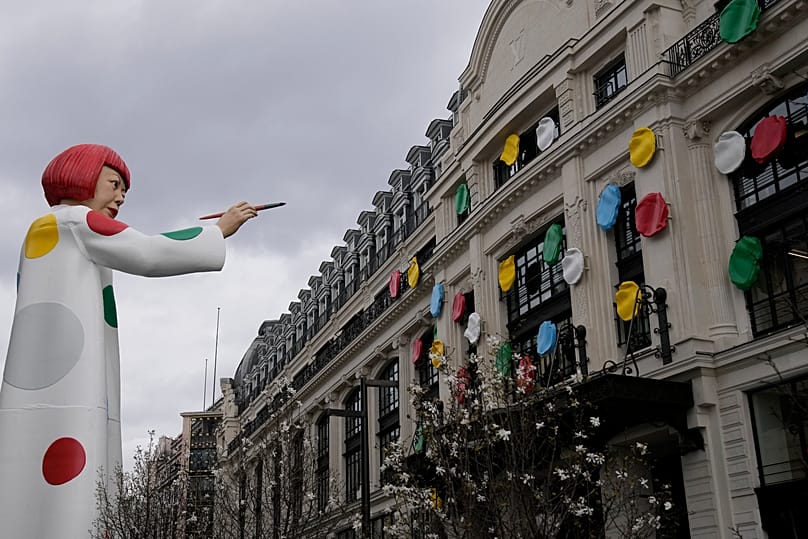
In her later years, Kusama gained worldwide fame, collaborating with fashion brands such as Louis Vuitton and putting her signature designs on products including clothing, cups and accessories.
Among her successes, one of Kusama’s works sold for $5.8 million (€4.9 million) at a Christie’s auction in 2008. In 2016, she received Japan’s prestigious Order of Culture, recognising her contribution to the arts.
Kusama, who has also made films and published several novels, said she wasn’t sure where she got her ideas. She just picked up her brush and started drawing. The process was so mysterious sometimes she surprised herself, she told AP.
“I think, ‘Oh, I drew that? I was thinking that,’” she said.
Known for her quiet and shy manner, Kusama remained committed to her distinctive style for decades, bringing her art to audiences around the world.
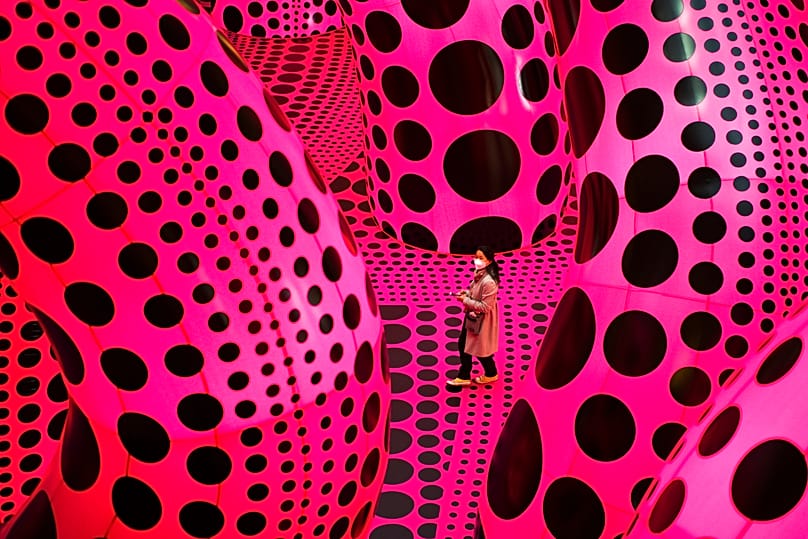
Kusama embraced the attention and praise her art received, while remaining a mix of vulnerability and defiance. She described herself as “an artistic revolutionary,” but also admitted: “I am so afraid, all the time, of everything.”
“I feel there is little left in my life, but I am now still fighting to the death for my art,” she said. “I am giving all I have so that many people will continue to be interested in my art, even after I am dead.”