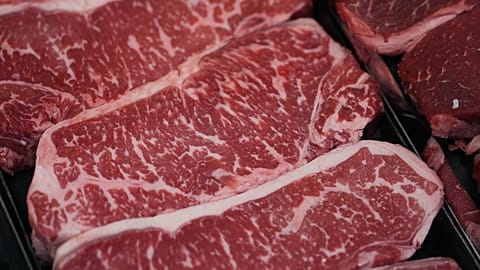





























Livestock shortages, animal disease and strong demand have pushed up meat prices across Europe, with some countries seeing increases of more than 20%.
Meat prices rose sharply across Europe in 2025 as supply shortages persist across the continent.
 ADVERTISEMENT
ADVERTISEMENT
ADVERTISEMENT
Beef and veal prices increased by 10% on average across the EU, according to Eurostat data.
Overall, food prices rose by 3.3% during the year, slightly faster than the bloc’s average inflation rate of 2.5%.
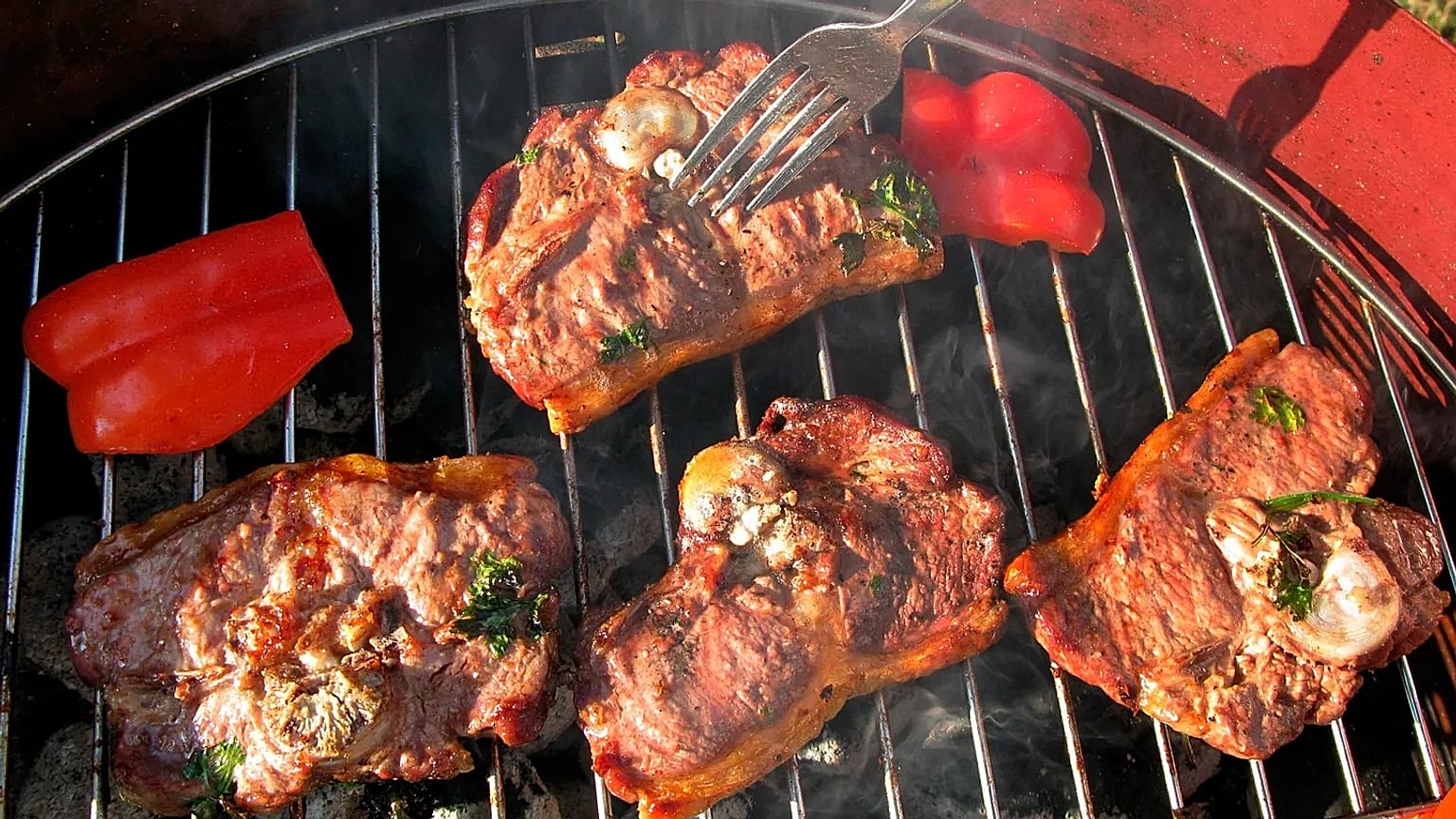
Lamb and goat prices rose by 7.2%, while poultry increased by 4.4%, placing several meat categories among the fastest-rising food prices in Europe.
Experts say supply shortages and strong demand are among the key factors behind the increases.
So which countries recorded the biggest rises in meat prices in 2025? And why do increases vary across Europe?
A spokesperson for the European farmers' union Copa and Cogeca said differences in prices between European countries reflect a combination of factors.
Production capacity varies significantly between member states, depending on the sector, while demand tends to remain relatively stable.
This can put greater pressure on some countries than others to meet domestic demand.
The impact of animal diseases — and the restrictions placed on livestock movements as a result — also varies across member states.
Dale Crammond, director of Meat Industry Ireland, which represents Ireland’s meat processors, said beef and lamb retail prices had increased mainly because of a shortage of livestock both in Europe and globally.
“In Ireland alone, our national kill fell by approximately 200,000 beef animals in 2025 compared with the same period in 2024. There are several reasons for this reduced production... policy at EU level has undoubtedly contributed,” he told Euronews Business.
Lamb and goat prices rise
Lamb and goat prices rose by 7.2% across the EU based on the average annual rate of change.
The data covers 25 countries and ranges from a 4.2% fall in Switzerland — the only country to record a decline — to a 15.2% increase in Kosovo.
Prices rose by more than 10% in several countries, including Poland (13.5%), Portugal (13.1%), Ireland (12.7%), Sweden (11.3%) and Spain (10.1%).
Among the largest economies, Germany recorded the smallest increase at 2.5%, while prices rose by 5% in Italy and 7.1% in France.
Poultry prices increase more modestly
Poultry prices rose more slowly than other meat categories but were still among the fastest-rising food items. Prices increased by more than 15% in Latvia (15.8%) and Estonia (15.2%).
By contrast, poultry prices fell slightly in Switzerland (-1.9%), Finland (-1.8%), Serbia (-1%) and Cyprus (-0.2%).
Most major economies recorded increases below the EU average of 4.4%, while Italy was in line with the bloc’s rate. Poultry prices rose by 3.4% in Germany, 2.7% in Spain and 0.6% in France.
“Poultry prices have been rising in 2025 largely because demand has stayed very strong, with consumers continuing to switch to chicken as a relatively affordable protein while beef and eggs remain expensive,” said Paul-Henri Lava, deputy secretary-general of AVEC, the European Association of Poultry Processors and Poultry Trade.
He added that local outbreaks of avian flu, constraints on hatching eggs, different cost structures and regulatory environments also affect how quickly production can increase.
Animal welfare requirements and limits on farm expansion can also contribute to price differences between countries.
Beef and veal prices rise sharply in some countries
Among 35 European countries, several recorded significant increases in beef and veal prices. The rise exceeded 20% in three countries: the Netherlands (23%), Croatia (22.4%) and Latvia (20.8%).
Switzerland recorded the smallest increase, with prices rising by just 0.1%.
Even among countries with smaller increases, price rises remained notable. Beef and veal prices rose by 5.3% in France, 6.1% in Italy, 6.2% in Albania and 7.3% in Norway.
In several countries the increase exceeded 15%, including Czechia (18.4%), Portugal (18.2%), Slovenia (18.2%), Ireland (17.5%), Lithuania (16.8%), Denmark (16.5%), Slovakia (16.4%), Malta (15.6%), Greece (15.5%) and Austria (15.4%).
Among the EU’s four largest economies, France and Italy recorded the smallest increases.
Germany (9.6%) was slightly below the EU average, while Spain saw the largest rise among them at 14.4%.
Falling livestock numbers and animal disease
“The primary driver is the continuous decline in livestock numbers across many EU member states, leading to tighter supply,” a spokesperson for Copa and Cogeca said.
“This trend is particularly acute in the beef and veal sector, where production cycles are long, and herd rebuilding takes years.”
The spokesperson added that animal health issues such as bluetongue and lumpy skin disease have further worsened supply pressures by affecting fertility and restricting cattle movements.
Despite higher prices, demand for premium beef cuts remains strong, while demand for other meats, such as pork or poultry, is often more sensitive to price or sustainability concerns.