





























Iran's parliament speaker said on Sunday that the US is publicly engaging in diplomatic efforts while "secretly planning a ground attack". His comments came shortly after reports in US media that the Trump administration is planning a weeks-long ground offensive.
Iran's parliament speaker Mohammad Bagher Ghalibaf said on Sunday that while the US has been publicly declaring it is engaging in diplomatic efforts to end war, it is simultaneously "secretly planning a ground attack".
 ADVERTISEMENT
ADVERTISEMENT
ADVERTISEMENT
"The enemy publicly sends messages of negotiation and dialogue while secretly planning a ground attack," he said in a statement carried by the official IRNA news agency. "Our men are waiting for the arrival of the American soldiers on the ground to set them on fire and punish their regional allies once and for all," he added.
Ghalibaf's comments came shortly after the Washington Post reported that the Pentagon is preparing for ground operations in Iran that would last several weeks.
Responding to the report, White House spokesperson Karoline Leavitt said “it is the job of the Pentagon to make preparations in order to give the Commander in Chief maximum optionality. It does not mean the President has made a decision.”
It was earlier reported that the USS Tripoli, an amphibious assault ship carrying around 3,500 Marines and sailors, arrived in the Middle East on Friday.
Pakistan emerges as possible mediator
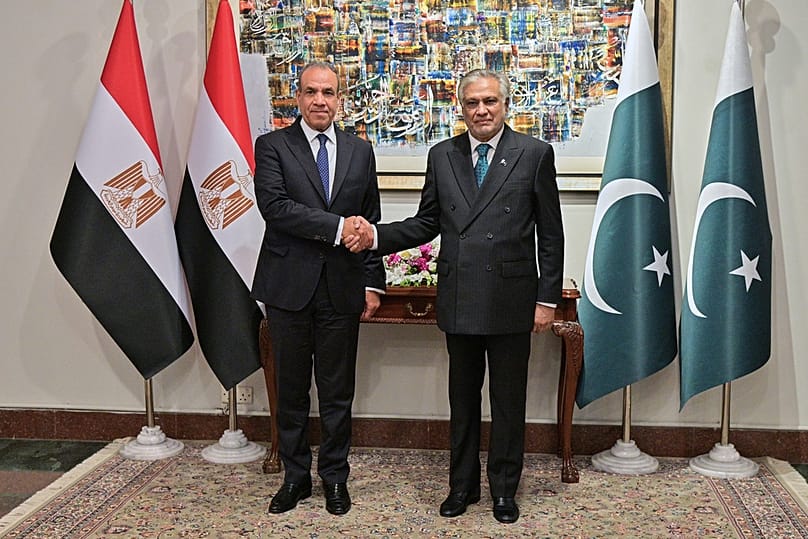
The news comes as Pakistan’s government convenes with regional powers to discuss how to end the war.
Saudi Arabia, Turkey and Egypt have sent top diplomats to Islamabad for talks aimed at ending the war, arriving on Sunday for a two-day visit.
Pakistani Prime Minister Shehbaz Sharif said he and Iranian President Masoud Pezeshkian held “extensive discussions” on regional hostilities.
But Iranian Foreign Minister Abbas Araghchi told his Turkish counterpart by phone that Tehran was sceptical about recent diplomatic efforts. Iranian state-run media said Araghchi accused the US of making “unreasonable demands” and exhibiting “contradictory actions.”
Trump envoy Steve Witkoff previously said Washington delivered a 15-point “action list” to Iran for a possible ceasefire, with a proposal to reopen the Strait of Hormuz and restrict Iran’s nuclear programme, which is the issue at the heart of tensions with the US and Israel.
Tehran rejected the list and presented a five-point proposal that included reparations and recognition of its sovereignty over the waterway.
Islamabad, which has emerged as a possible mediator due to its good relations with both the United States and Iran, say they are focused on bridging gaps between the two sides and ending hostilities and turmoil in the region as quickly as possible.
Iran-backed Houthis join the war
Iran-backed Houthi rebels in Yemen entered the month-long war in Iran on Saturday, adding yet another front to the already heavily volatile and rapidly developing situation.
The group announced on Saturday that it had fired its first barrage of ballistic missiles targeting “sensitive Israeli military sites” in support of Iranian and regional axes’ resistance in Lebanon, Iraq and Palestine.
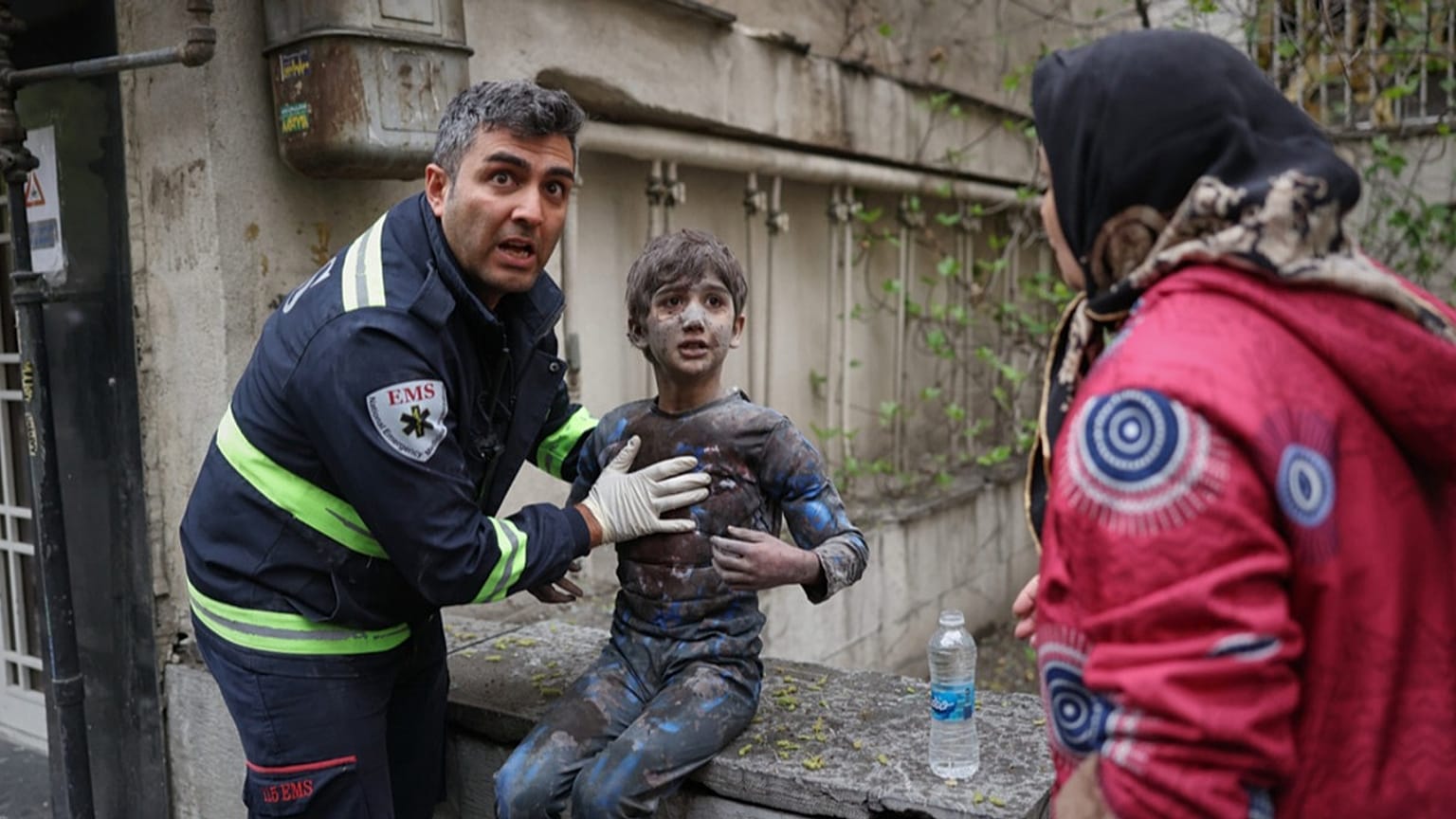
The US and Israel have continued to strike Iran, whose retaliatory attacks have targeted Israel and neighbouring Gulf Arab states. More than 3,000 people have been killed across all fronts of the war so far, in Iran, Lebanon, Israel, Iraq and the Gulf countries.
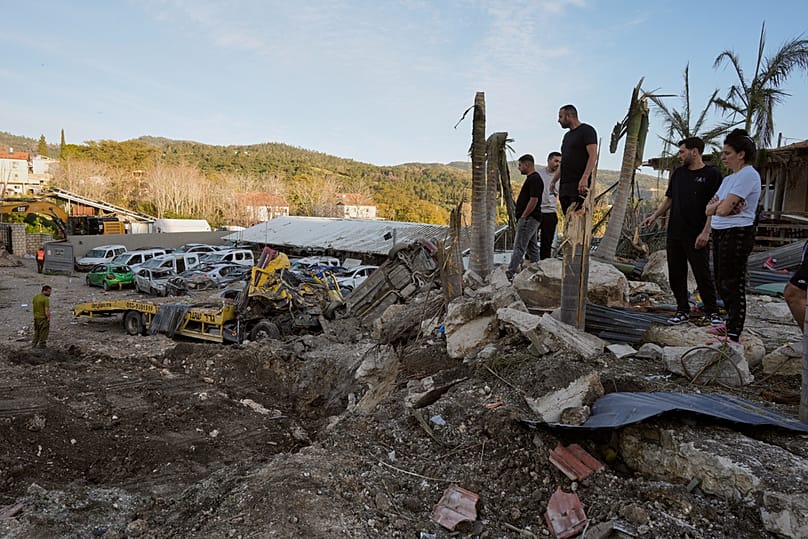
The war, which has now entered its second month, has threatened global supplies of oil and gas, sparked a fertiliser shortage and disrupted air travel in the region. Iran is maintaining its chokehold on the crucial Strait of Hormuz, with it shaking markets and prices internationally.
The Houthis’ entry into the war could now further hurt global shipping if the group again targets shipping vessels in the Bab al-Mandeb Strait off the Red Sea, through which 12 per cent of the world’s trade typically passes.
There could be limited relief however on the horizon after Iran agreed on Friday following a UN request to allow passage of humanitarian aid and agricultural shipments through the Strait of Hormuz, which has been effectively closed since the start of the war on 28 February.
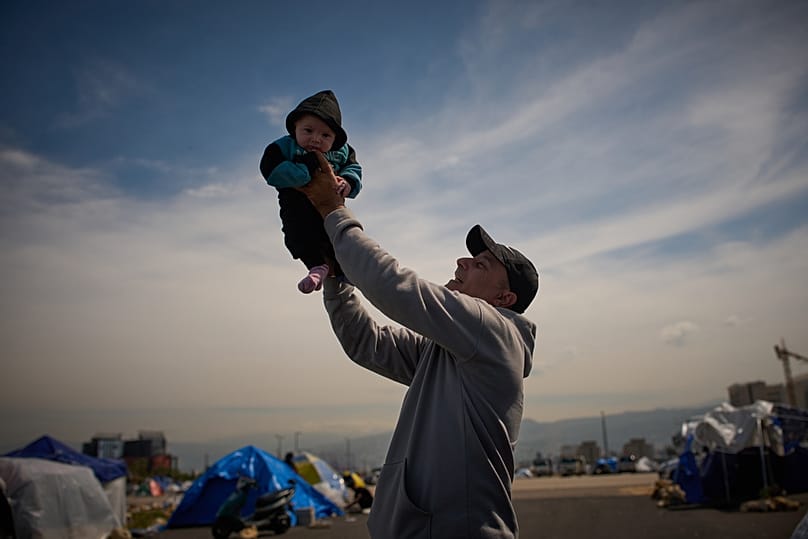
Trump meanwhile has given Tehran until 6 April to reopen the waterway unconditionally or face escalated intensity, saying Iran would be hit “harder than they’ve ever been hit before.” The deadline is also meant to allow for diplomatic efforts to continue searching for a way to halt the fighting.
In Iran, eyewitnesses reported heavy strikes late on Saturday and overnight into Sunday after Israel’s military said it targeted the country’s naval weapons production facilities and that it would conclude attacks on essential weapons production plants within “a few days.”
Iran responded by firing its own wave of missiles and drones at Israel, which the IDF says it intercepted. Gulf states also reported early morning interceptions of fleets of drones and missiles fired from Tehran.
Israeli military moves further into Lebanese territory
Israel is also continuing its ground operations in Lebanon where IDF troops are continuing to fight Iran-backed Hezbollah elements, in an attempt to, as described by Prime Minister Benjamin Netanyahu “expand the buffer zone to protect northern Israeli communities.”
One Israeli soldier was killed in combat in Lebanon while three others were wounded, bringing the total military fatalities to five since Israel reignited its war with Hezbollah on 2 March.
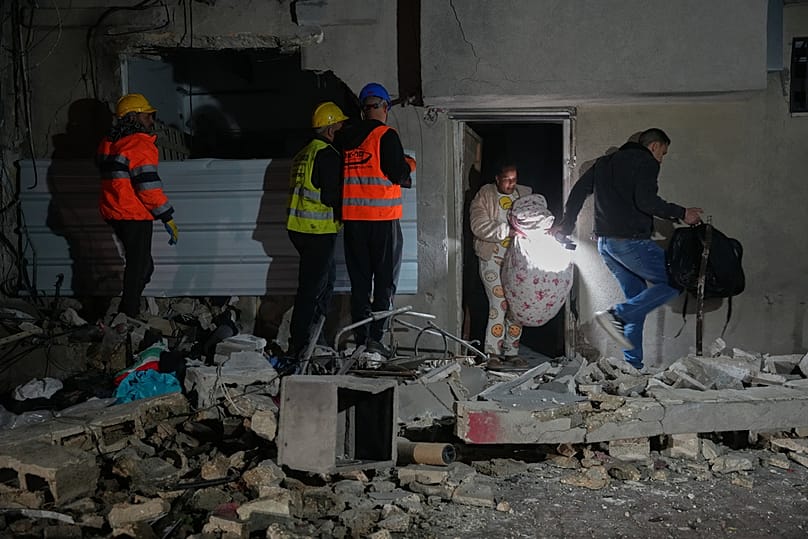
On Saturday, an Israeli strike killed three journalists in south Lebanon, with Lebanese authorities denouncing the attack as a "war crime". The Israeli military said it had specifically targeted one of them, a well-known reporter for Hezbollah's Al Manar network, accusing him of operating "within the Hezbollah terrorist organisation under the guise of a journalist".
The overall death toll across the region after a month of fighting has now surpassed 1,900 in Iran, 1,100 in Lebanon, 22 in the Gulf states, 20 in Israel and 13 US service members. Thousands of others have been injured.