





























The announcement came just hours after Iranian state media said two nuclear facilities had come under attack in strikes claimed by Israel.
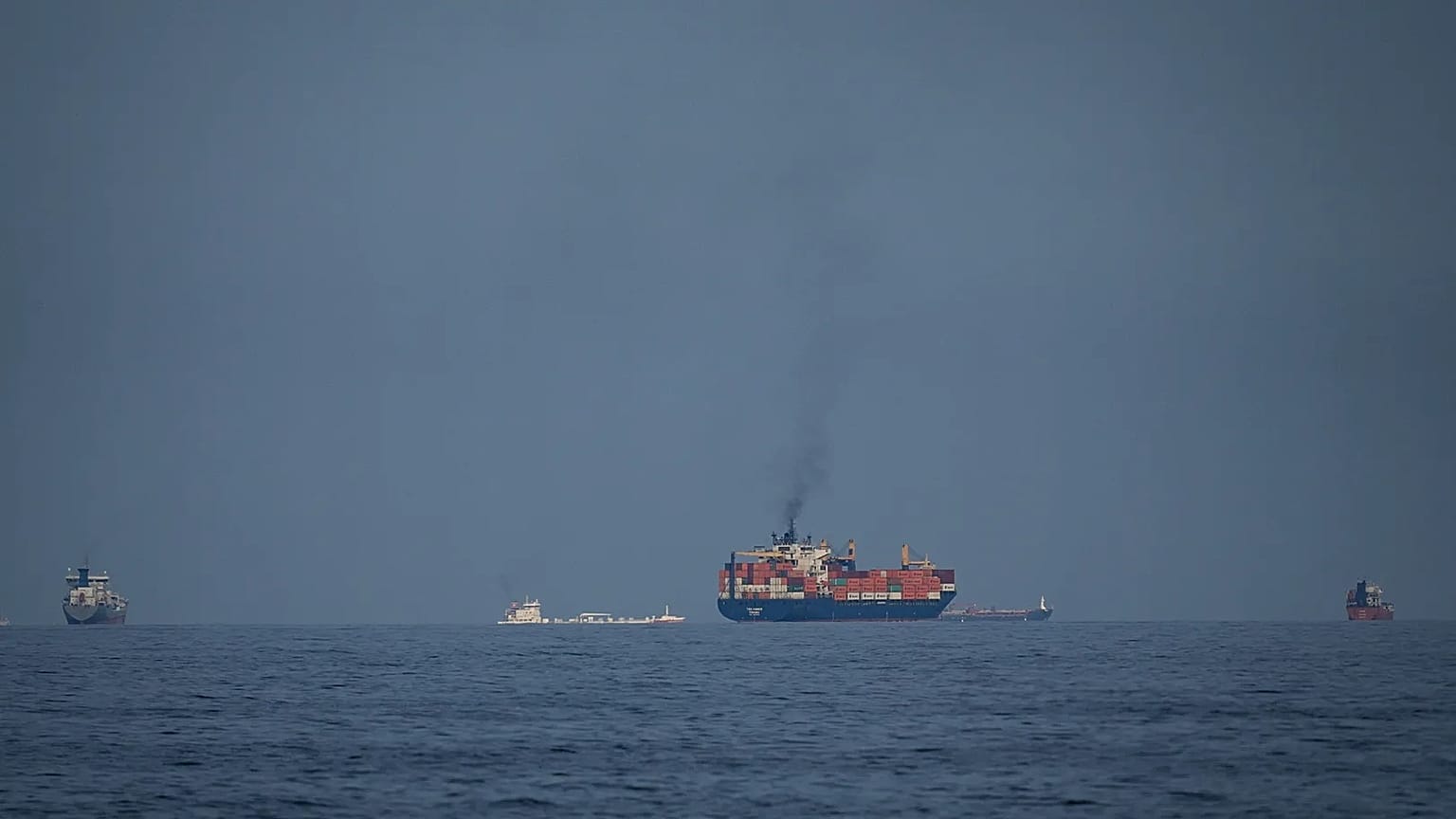
Tehran has agreed to "facilitate and expedite" humanitarian aid through the Strait of Hormuz, the Iranian ambassador to the United Nations in Geneva said on Friday.
 ADVERTISEMENT
ADVERTISEMENT
ADVERTISEMENT
Ali Bahreini said Tehran has accepted a request from the UN to let humanitarian aid and agricultural shipments move through the critical waterway, on the same day that its nuclear facilities were hit in air strikes.
The aid plan would be the first breakthrough at the shipping chokepoint after a month of war.
While markets and governments have largely focused on blocked supplies of oil and natural gas, the restriction of fertiliser threatens farming and food security around the world.
"This measure reflects Iran’s continued commitment to supporting humanitarian efforts and ensuring that essential aid reaches those in need without delay," Bahreini said in a post on X.
The UN earlier announced a task force to address the ripple effects the Iran war has had on aid delivery.
The announcement came just hours after Iranian state media said two nuclear facilities had come under attack.
Israel, which had threatened to "escalate and expand" its campaign against Tehran, claimed responsibility and Iran quickly threatened to retaliate.
"Attack contradicts POTUS extended deadline for diplomacy," Iranian Foreign Minister Abbas Araghchi wrote on X, referring to U.S. President Donald Trump. "Iran will exact HEAVY price for Israeli crimes."
Iran's Atomic Energy Organisation said the Shahid Khondab Heavy Water Complex in Arak and the Ardakan yellowcake production plant in Yazd Province were targeted, IRNA reported.
The strikes did not cause any casualties and there was no risk of contamination, it said. The Arak plant has not been operational since Israel attacked it last June.
Yellowcake is a concentrated form of uranium after impurities are removed from the raw ore. Heavy water is used as a moderator in nuclear reactors.
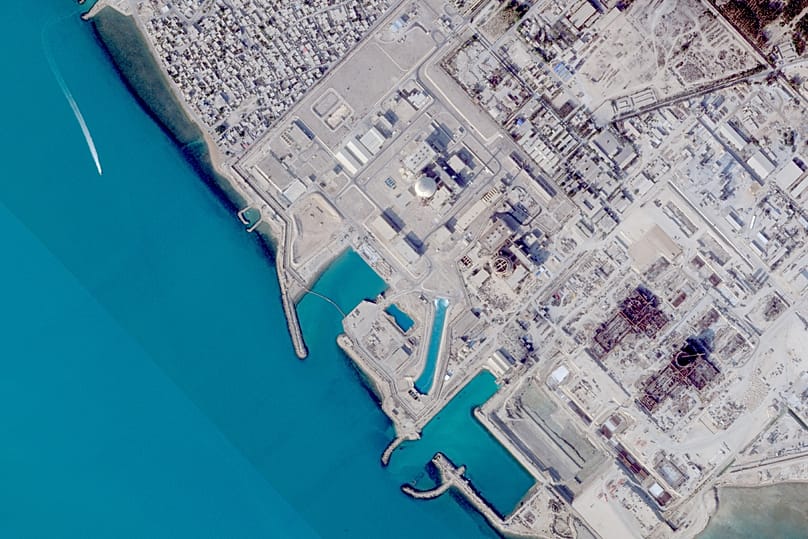
The Israeli military later said raw materials are processed for enrichment at the Yazd plant and that the strike was a major blow to Iran's nuclear program.
The Islamic Revolutionary Guard Corps warned Iran would retaliate, IRNA reported. Seyed Majid Moosavi, IRGC’s Aerospace Force commander, posted on X that employees of companies tied to the US and Israel should abandon their workplaces.
"This time, the equation will no longer be 'an eye for an eye,' just wait," he said.
But the UN atomic watchdog repeated its call for "restraint" after news of those strikes emerged.
"IAEA Director General Rafael Grossi reiterates (his) call for military restraint to avoid any risk of a nuclear accident," the International Atomic Energy Agency said on X, reporting "no increase in off-site radiation levels" at the sites.
Diplomatic wrangling endures
Diplomats from several countries including Pakistan and Turkey have tried to organise a direct meeting between US and Iranian envoys.
Separately, G7 foreign ministers meeting in France formally asked for an immediate halt to attacks against populations and infrastructure.
Meanwhile, US ships drew closer to the region carrying some 2,500 Marines and at least 1,000 paratroopers from the 82nd Airborne, trained to land in hostile territory to secure key positions and airfields, have been ordered to the Middle East.
Nevertheless, Secretary of State Marco Rubio said during the G7 meeting that most US objectives in Iran are "ahead of schedule," and that "we can achieve them without any ground troops."