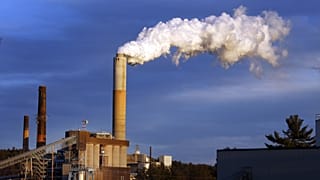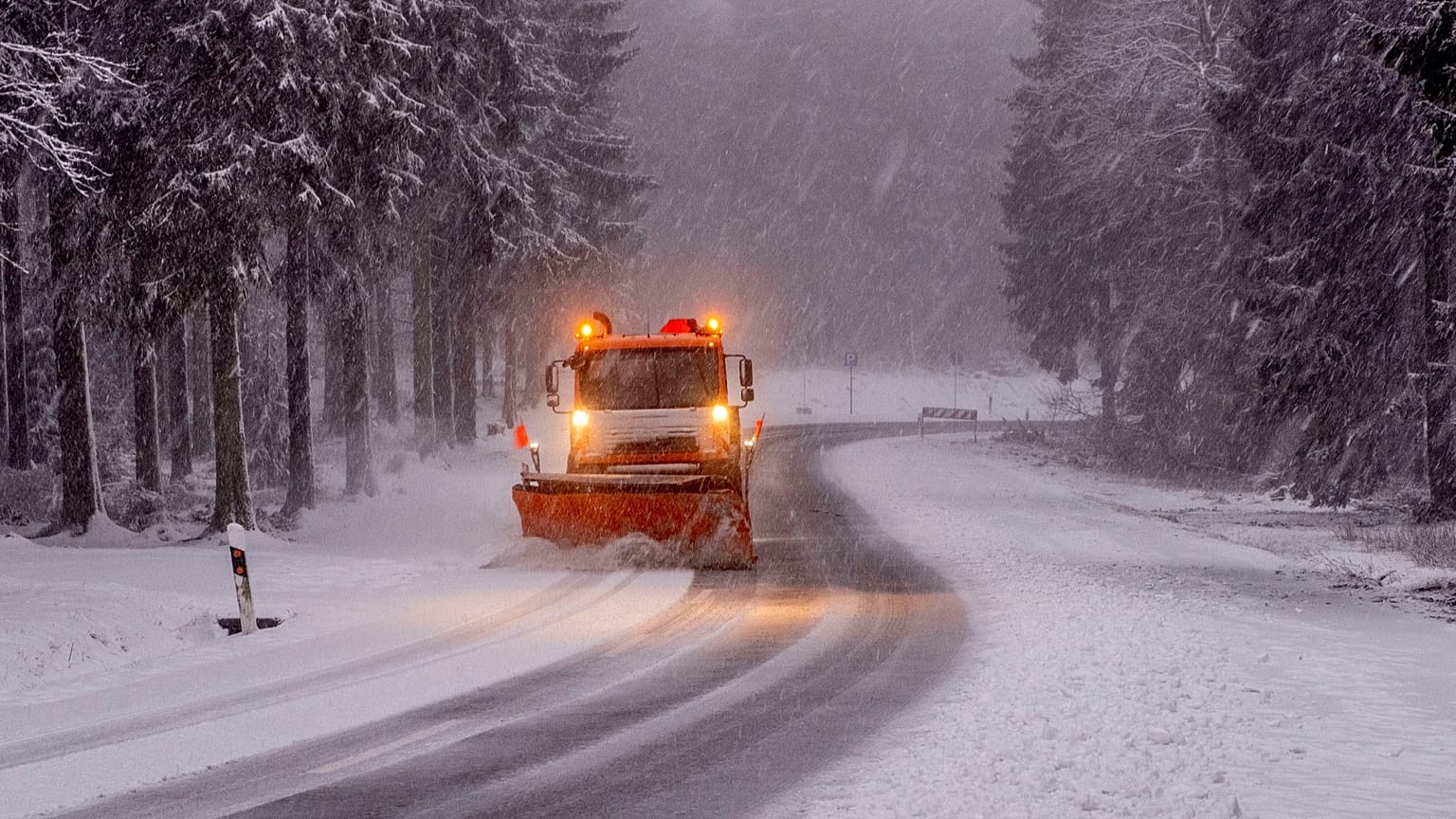













An unusually early sudden stratospheric warming event has flipped the polar vortex, leaving analysts worried about rising energy prices.
Europeans brace for what could be a particularly cold winter this year, after an unusually early sudden stratospheric warming (SSW) flipped the polar vortex.
 ADVERTISEMENT
The polar vortex is a ring of westerly winds that keeps freezing polar air locked over the North Pole about 30km above the Earth’s surface.
Sometimes, large atmospheric waves can disrupt this circulation, causing the winds to weaken significantly or even reverse direction. This can cause temperatures in the stratosphere to rise rapidly.
As the cold air from high up in the stratosphere disperses, it can affect the shape of the jet stream as the cold air sinks from the stratosphere into the troposphere, which extends from the ground up to an average altitude of about eight to 15 kilometres.
Europe’s dwindling gas supplies
According to market intelligence provider Montel, forecasters warn that this "heightens the odds of colder temperatures”, more storms, wind and heating demand on the continent over the next month.
However, analysts say this would need to be a “repeated event” to have a sustained effect throughout the winter, as single SSW events are “short-term in nature”.
A severe cold spell could put gas supplies under even more pressure, following warnings from the EU that it may have to curb its gas consumption by seven per cent this winter as stocks hit record lows for this time of year.
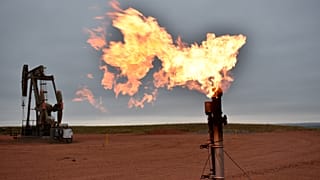
Dwindling gas reserves, primarily driven by the war on Iran and subsequent blockade of the Strait of Hormuz – one of the world’s biggest fossil fuel shipping routes – are also set to worsen ahead of a full ban on Russian liquefied natural gas (LNG) imports from January 2027.
The unusually early SSW “might make people a bit nervous”, says Klaas Dozeman, energy forecaster at Brainchild Commodity Intelligence, adding that “most meteorologists remain puzzled on what the effects will be over the coming weeks”.
Can heat pumps save households from spiralling energy bills this winter?
Green technology is cushioning Europe from the ongoing fossil fuel crisis, providing more households with energy security and lower bills.
Solar power, for example, has already saved the EU €44.6 billion in avoided gas imports since the beginning of the US-led war on Iran, which started on 28 February.
But as the days get shorter and darker, it is heat pumps that will offer relief from spiralling energy prices.
Heat pumps, which work by capturing energy from air, water or the ground and turning it into heat or cold air, typically deliver three to four kWh of heat for every one kilowatt-hour (kWh) of electricity they consume.
Each residential heat pump installed displaces around 1,100 m3 of gas and two tonnes of CO2 per year on average, if the small amount of electricity it uses to run is from renewable sources.
Europe’s heat pumps provide as much heat as the LNG carried by more than 200 tankers, according to an analysis from the European Heat Pump Association published in June*.
This is double the amount that arrived in the EU in 2025 from the Middle East and around seven per cent of the EU’s total annual imported LNG – avoiding €9.7 billion in import costs last year.
“Every heat pump installed is another bolt in the door of European energy security,” says Paul Kenny, director general of EHPA.
“LNG is the most expensive energy source and comes from unreliable suppliers, and heat pumps can drastically reduce our need for it.”
Despite myths suggesting that heat pumps do not work in cold countries, which Euronews Earth has debunked here, new research has found that when used effectively, air source heat pumps could help heat homes on a typical winter day for as little as £1.84 (approximately €2.20) a day.
Heat pumps more efficient than gas boilers
The study, from British property developers Barratt Redrow, found that heat pumps can be more efficient than traditional gas boilers because they keep a more constant temperature rather than relying on spikes of heat.
"Heat pumps will run during the cold but consume a lot more power,” Jean-Paul Harreman, Director at Montel, tells Euronews Earth.
“The efficiency is better from a heat pump than from a gas boiler, but if power prices go really high, high costs might still be seen during the worst of the cold. However, that is usually only part of the winter, so a price spike should not be confused with an annual total cost.”
Heat pump sales rose 13 per cent last year, hitting 2.9 million in 21 European countries. This brings the total stock to 29.3 million.
When asked whether heat pumps could help the EU’s dwindling gas supply, Harreman said: “A little yes. We see electrification of heating happening in many countries, but the overall impact on demand is not that large.
“Industrial demand destruction plays a bigger role.”
Industrial demand destruction is a sustained or permanent drop in industrial consumption of energy caused by prolonged high prices or supply constraints.
*EHPA’s data is based on 21 EU member states. You can read the full analysis here.