












On the final day of COP31, one country says it will “not lend its name” to “complacent or ineffective language” in the final pact, which requires consensus.
It’s crunch time as COP31 enters its final day of discussions, following a lacklustre draft deal that sparked heavy backlash.
 ADVERTISEMENT
The annual UN climate summit, which is being held in Antalya, Türkiye, may overrun into the weekend amid growing divisions.
Yesterday (19 November), co-host Australia unveiled a slimmed-down draft deal that removed all mentions of fossil fuels – the leading driver of climate change – despite growing momentum to publish an exit strategy.
It signals a repeat of the COP30 summit in Belém last year, where the transition away from fossil fuels (TAFF) was erased from the final deal following resistance from fossil-fuel exporting countries.
Panama threatens to block final COP31 deal
COP agreements require consensus from all parties – that’s almost 200 nations – which means progress is often slow and incremental.
However, Panama appears to be putting its foot down, threatening to block any final deal that doesn’t deliver on a cap of oil production alongside a strident defence of science.
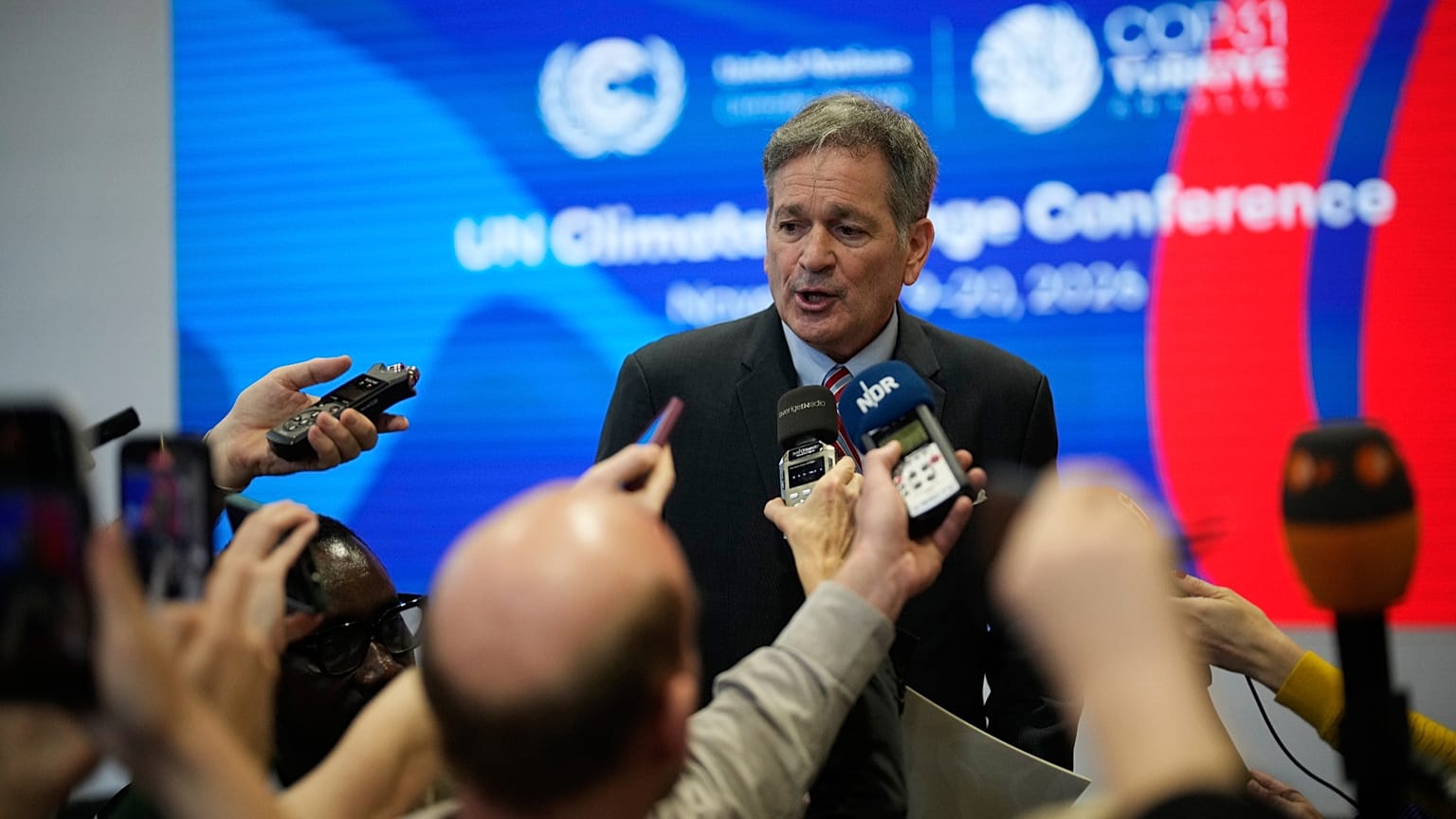
In a letter to COP31 hosts, Panama’s environment minister Juan Carlos Navarro said his country would “not join any consensus, and will formally object in the closing plenaries, to the adoption of any decision that does not lead to an outcome satisfactory” to its principles and values.
Navarro added that Panama would “not lend its name” to “complacent or ineffective language” in the final pact.
Earlier this week, the politician argued that the world is being “held hostage by the petroleum mafia” and that nations are “in love with its kidnappers”.
“They torture us for our own good, they destroy our planet for our own good. They destroy nature to help us, and they demand our unrequited, endless, unlimited, boundless love. And we are so stupid that we fall for it.”
TAFF roadmaps gain appeal outside of the UN remit
Nations agreed at COP28 in Dubai in 2023 to transition away from fossil fuels, but language around energy sources is highly contested at the yearly talks.
However, following the first TAFF conference in Santa Marta, Colombia, which took place in April, several countries have established their own exit strategy – with Europe leading the way.
Before COP31, France, Germany and the Netherlands published national roadmaps to get away from coal, oil and gas.

On 11 November, two days into the talks, Finland affirmed its commitment to TAFF.
Almost a week later (17 November), Denmark, Portugal, Luxembourg and Spain announced their own national plans.
While “you can always wish and fight” for TAFF to be anchored in the cover decision, “this is not for us the ultimate benchmark for success,” German Environment Ministry State Secretary Heike Henn told reporters on Monday (16 November), ahead of the draft’s publication. “The success is in doing, in a growing coalition,” she said.
What will COP31 actually decide?
Experts have criticised the erasure of fossil fuels from the latest draft deal, warning that the talks risk becoming a “ghost COP”.
"The summit will have nothing to show for what happened here,” Mohamed Adow, founder and director of climate think tank Power Shift Africa said on Thursday, 19 November.
“After the progress made in 2023 at COP28 in Dubai where fossil fuels were mentioned for the first time, there is now no mention of the f-word at all.
“COP31 has been muzzled on the most important threat causing the climate crisis.”
Inga Fritzen Buan from environmental group WWF told news agency AFP that some major fossil energy producers are attempting to “undermine” everything related to emissions cuts and the energy transition.
“With this draft, they’re succeeding,” Buan added. “This is not a mere disagreement over the placement of a comma.”
Electrification takes centre stage
The latest text included a call to increase the global share of final energy demand met by electricity to 35 per cent by 2035 – a key initiative of Türkiye.
However, concern remains that the draft deal does not explicitly require that extra electricity be powered by clean energy rather than coal or gas.
“We are going to fight for clean electrification” met by renewables and nuclear energy, French Ecological Transition Minister Monique Barbut told reporters.
Some countries rejected calls to ramp up carbon capture, utilisation and storage technology, which critics see as an expensive distraction from cutting pollution.
The draft also proposes further discussions toward “tripling” finance for climate adaptation measures by 2035, but drops a $120 billion (approximately €109 billion) goal being sought by developing nations.
Rich nations have long resisted calls to increase support for countries struggling to adapt to climate change, citing budget constraints and insisting that big emerging economies such as China also contribute.
The draft deal also contains a recognition of the “best-available science” and a reference to the work of the Intergovernmental Panel on Climate Change (IPCC), a key battleground at COP31.