




























El Niño’s European weather impacts tend to be indirect and less severe than in the tropics. But experts warn it could weaken the polar vortex.
Experts have warned that this year’s El Niño event could be the “strongest in living memory” – increasing the likelihood of 2027 becoming the hottest year on record.
 ADVERTISEMENT
ADVERTISEMENT
ADVERTISEMENT
Sea surface temperatures in the equatorial Pacific Ocean have already surpassed the highest recorded during any previous El Niño events, and the weather phenomenon isn’t expected to peak until late autumn or early winter.
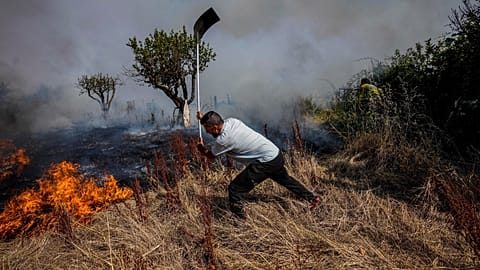
Between June 2026 and February 2027, experts estimate that the extreme heat associated with El Niño could contribute to 451,000 additional deaths. The extra warming also paves the way for more extreme weather impacts, such as wildfires and floods.
South America, the southern US, East Africa and Central Asia have all experienced heightened flood risks during previous El Niño events – while droughts and wildfire risks rise across large parts of Australia, northern parts of South America and in certain Asian countries such as Indonesia.
But in Europe, El Niño’s weather impacts tend to be much more indirect and less severe. The natural phenomenon could increase the chances of more unsettled conditions later in the year, such as a milder, wetter and windier autumn and early winter.
So, why are fears growing that Europe will be cast into a deep freeze this winter?
What is a Sudden Stratospheric Warming event?
Every year in winter, strong westerly winds circle around the pole high up in the stratosphere – which extends from an altitude of about 10 to 50 km above the Earth’s surface.
This is referred to as the stratospheric polar vortex (SPV) and it circulates around cold air high over the Arctic.
However, following a peak in El Niño, the SPV can become weaker. This can increase the likelihood of a Sudden Stratospheric Warming (SSW) event, which would subsequently increase the potential for cold weather.
A SSW is where temperatures rapidly increase (up to about 50C in just a couple of days) in the stratosphere. As the cold air from high up in the stratosphere disperses, it can affect the shape of the jet stream as the cold air sinks from the stratosphere into the troposphere.
“Typically this will form over the North Atlantic and Scandinavia,” the UK Met Office says.
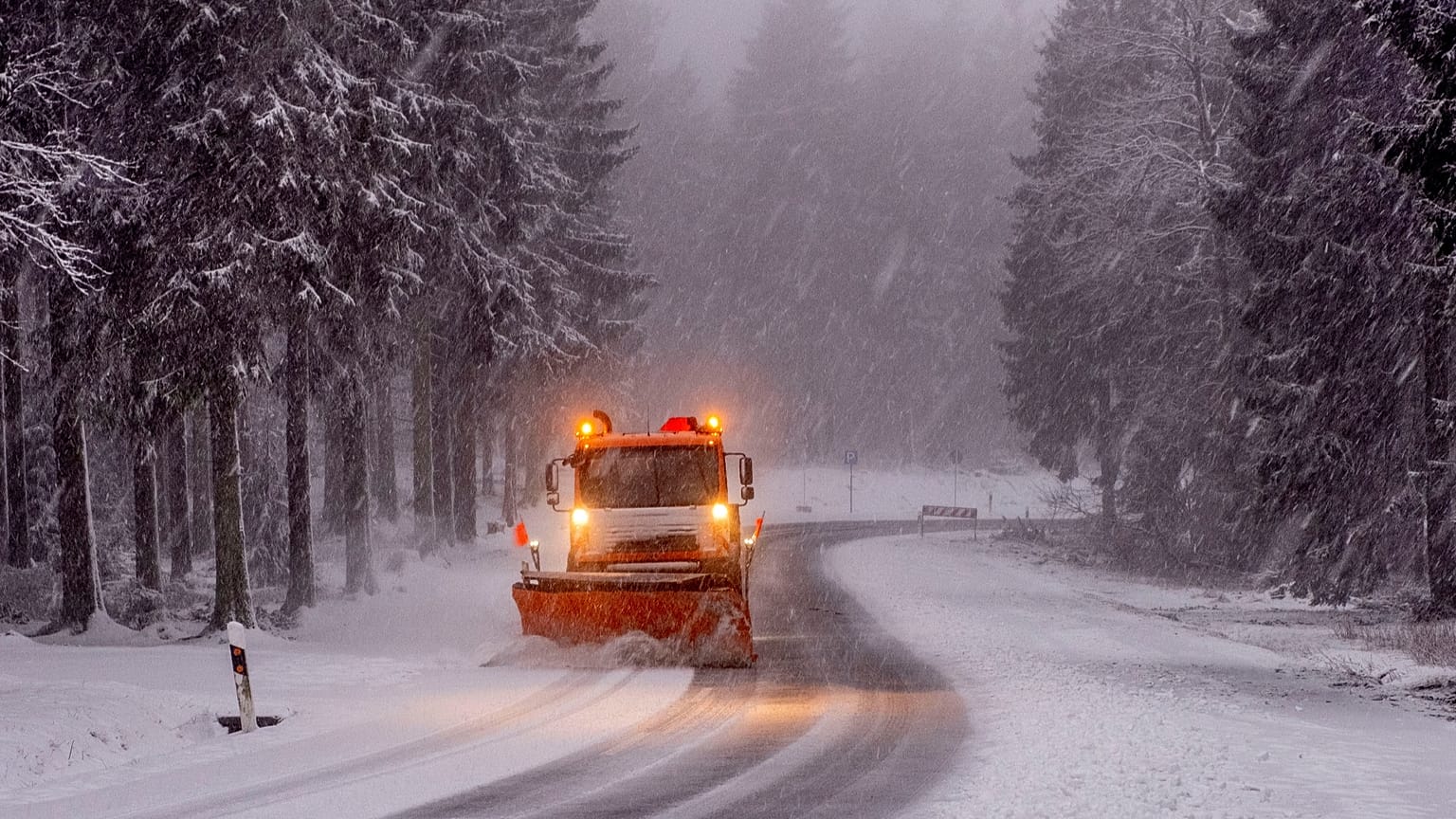
“This means that northern Europe, including the UK is likely to get a long spell of dry, cold weather, whereas southern Europe will tend to be more mild, wet and windy. On the boundary of these areas, cold easterly winds develop and in some cases the drop in temperatures leads to snow.”
Will El Niño trigger a ‘deep freeze’ in Europe?
Multiple newspapers have recently warned of a “deep freeze” hitting Europe due to the risk of El Niño peaking and weakening the polar vortex.
However, winter weather across the UK and mainland Europe is influenced by a wide range of factors – including human-caused climate change. For example, a 2025 study from Newcastle University found the burning of fossil fuels is accelerating winter rainfall changes in the UK and Europe, almost 25 years sooner than expected.
Many of the factors that impact Europe’s weather cannot be predicted so far in advance. In fact, meteorologists can only reliably forecast individual SSW events about a week ahead.
“While there is a known teleconnection between El Niño and a colder end to the UK winter, this outcome is by no means guaranteed,” Grahame Madge, a Met Office climate spokesperson, tells Euronews Earth.
“There are many other drivers of UK winter weather including El Niño, and it is the balance of these drivers that determines the winter forecast rather than any single one.”