












Newsletter Newsletters Events Events Podcasts Videos Africanews
Loader
Advertisement

Elon Musk's loses OpenAI court case after jury finds he waited too long to sue

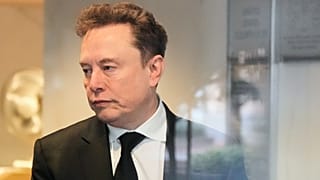
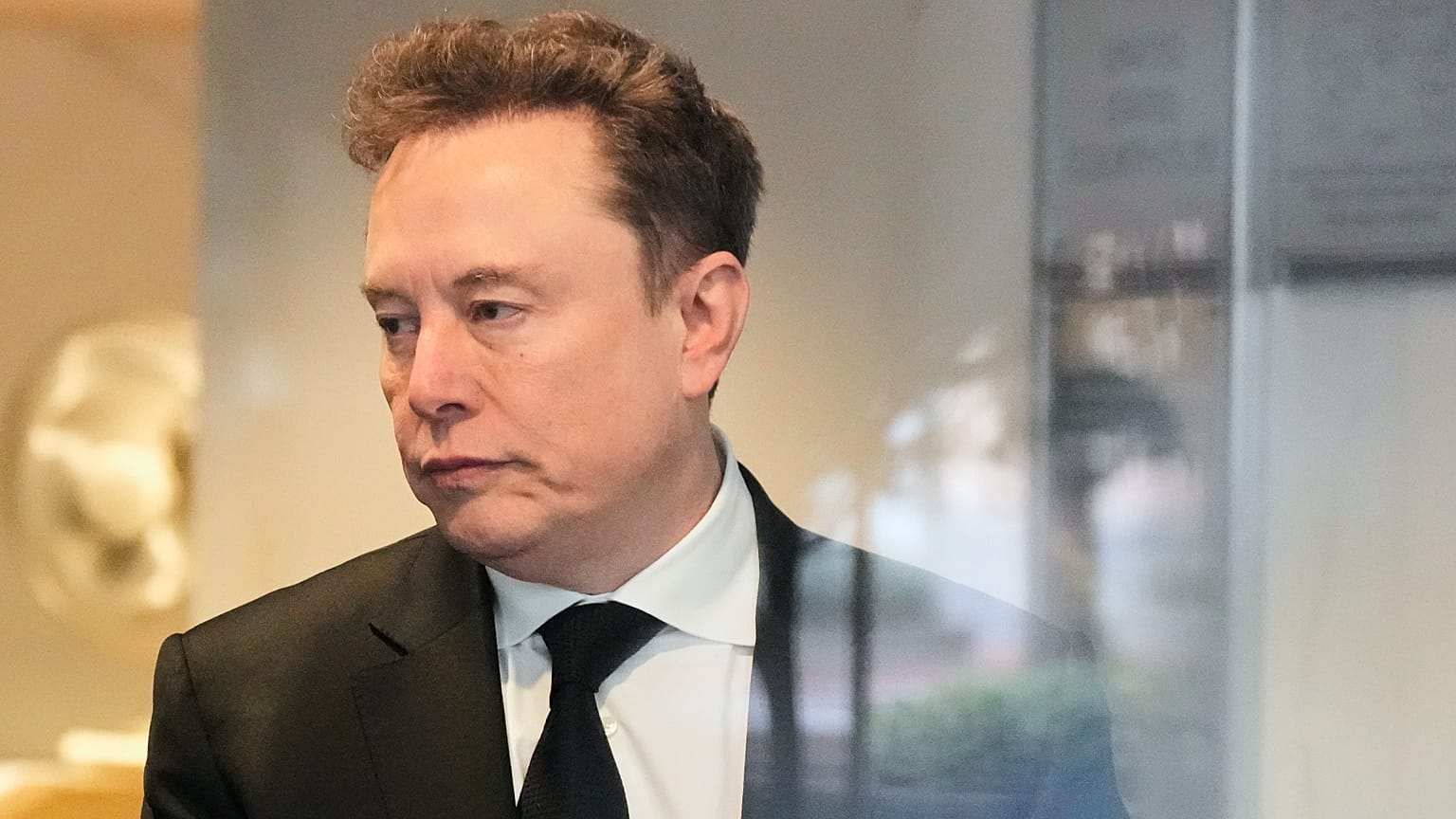
File- Elon Musk arrives at the U.S. District Court in Oakland, Calif., Tuesday, April 28, 2026.
File- Elon Musk arrives at the U.S. District Court in Oakland, Calif., Tuesday, April 28, 2026. Copyright  AP Photo/Godofredo A. Vásquez
Copyright AP Photo/Godofredo A. Vásquez
By Pascale Davies with AP
Published on
Share Comments
Share Close Button

Musk left OpenAI’s board in 2018 after clashing with Altman. A year earlier, he reportedly made a failed bid to get more control over the company.

A US court has thrown out claims filed against OpenAI and its top executives by Elon Musk, who accused them of betraying a shared vision for it to remain a nonprofit dedicated to guiding artificial intelligence’s development for the good of humanity.

ADVERTISEMENT
ADVERTISEMENT

The nine-person jury found Musk waited too long to file his lawsuit and missed a statutory deadline. After a three-week trial, the jury deliberated for less than two hours.

Billionaire Musk, an early investor in the artificial intelligence company, sued OpenAI’s CEO, Altman, its president, Greg Brockman, and Microsoft for allegedly betraying an agreement about keeping OpenAI as a nonprofit that benefits humanity.

Musk alleges he was misled when Altman transformed the company from a nonprofit into a for-profit enterprise. The company now has a valuation of almost $1 trillion and is expected to go public.

The jury served in an advisory role, but Judge Yvonne Gonzalez Rogers accepted the verdict Monday as the court’s own and dismissed Musk’s claims.

Musk posted on his social media platform X that he would file an appeal. He said the judge and jury never weighed in on the merits of the case, just “a calendar technicality”.

"There is no question to anyone following the case in detail that Altman & Brockman did, in fact, enrich themselves by stealing from a charity. The only question is WHEN they did it!” he wrote.

Musk’s lawyer, Steven Molo, said Musk’s feud with OpenAI was far from resolved. He compared Monday's verdict to moments in US history like the Siege of Charleston and the Battle of Bunker Hill, which were “major losses for Americans, but who won the war?”

The trial in Oakland, California, shed light on the bitter falling-out between the two Silicon Valley titans and the beginnings of OpenAI, now a company valued at $852 billion (€733 billion) and moving toward potentially one of the largest initial public offerings in history.

Altman and OpenAI claimed there was never a promise to keep OpenAI a nonprofit forever. In fact, they argued, Musk knew this and filed his lawsuit because he couldn’t have unilateral control over the fast-growing AI developer.

OpenAI argued the lawsuit aimed to undercut the company's rapid growth and bolster Musk’s xAI, which he launched in 2023 as a competitor.

Outside the court on Monday, OpenAI lawyer William Savitt told reporters that jurors determined the lawsuit was an “after-the-fact contrivance” that amounted to Musk trying to sabotage a competitor and ”to overcome a long history of very bad predictions about what OpenAI has been and will become.”

What did Microsoft say?

Microsoft, an OpenAI investor and a co-defendant in Musk’s lawsuit, said it welcomed the decision and remains “committed to our work with OpenAI to advance and scale AI for people and organisations around the world.”

Musk was seeking damages to be paid to the altruistic efforts of OpenAI’s charitable arm, as well as Altman’s ouster from OpenAI’s board. Musk’s decision to stop funding the company contributed to the rift between the former allies. Musk says he was responding to deceptive conduct that OpenAI’s board picked up on when it fired Altman as CEO in 2023, before he got his job back days later.

The trial saw testimony from Musk, Altman and his top lieutenant Greg Brockman, along with Microsoft CEO Satya Nadella and a slew of others in the tech titans’ orbit.

Musk told jurors on his first of three days on the stand that, fundamentally, “I think they’re going to try to make this lawsuit ... very complicated, but it’s actually very simple,” Musk said. “Which is that it’s not OK to steal a charity.”

Musk’s lawsuit claimed that, in addition to “breach of charitable trust,” Altman and Brockman unjustly enriched themselves from the windfall as the ChatGPT maker soared in valuation. Brockman revealed during the trial that his stake in OpenAI is worth about $30 billion.

'Extremely painful'

Altman and Musk both vied to be OpenAI’s CEO in its early years. In his testimony, Altman said he had concerns about Musk’s attempts to gain more control over OpenAI, which was aiming to safely build a better-than-human form of AI called artificial general intelligence.

“Part of the reason we started OpenAI is we didn’t think AGI could be under the control of any one person, no matter how good their intentions are,” Altman said.

The trial also shed light on Altman's removal from the OpenAI board in 2023, before he returned to his role a few days later. Several witnesses, including two ex-board members, Helen Toner and Tasha McCauley, said there were concerns about Altman's truthfulness.

Near the end of his testimony, Altman said that before things turned sour, he had thought very highly of Musk.

“I felt like he had abandoned us, not come through on his promises, put the company in a very difficult place, jeopardised the mission, didn’t really care about the things I thought he cared about,” Altman said.

“It’s been an extremely painful thing for me... to have someone that I respected so much not acknowledge that and continue to publicly attack us.”

Go to accessibility shortcuts
Share Comments

Read more