
















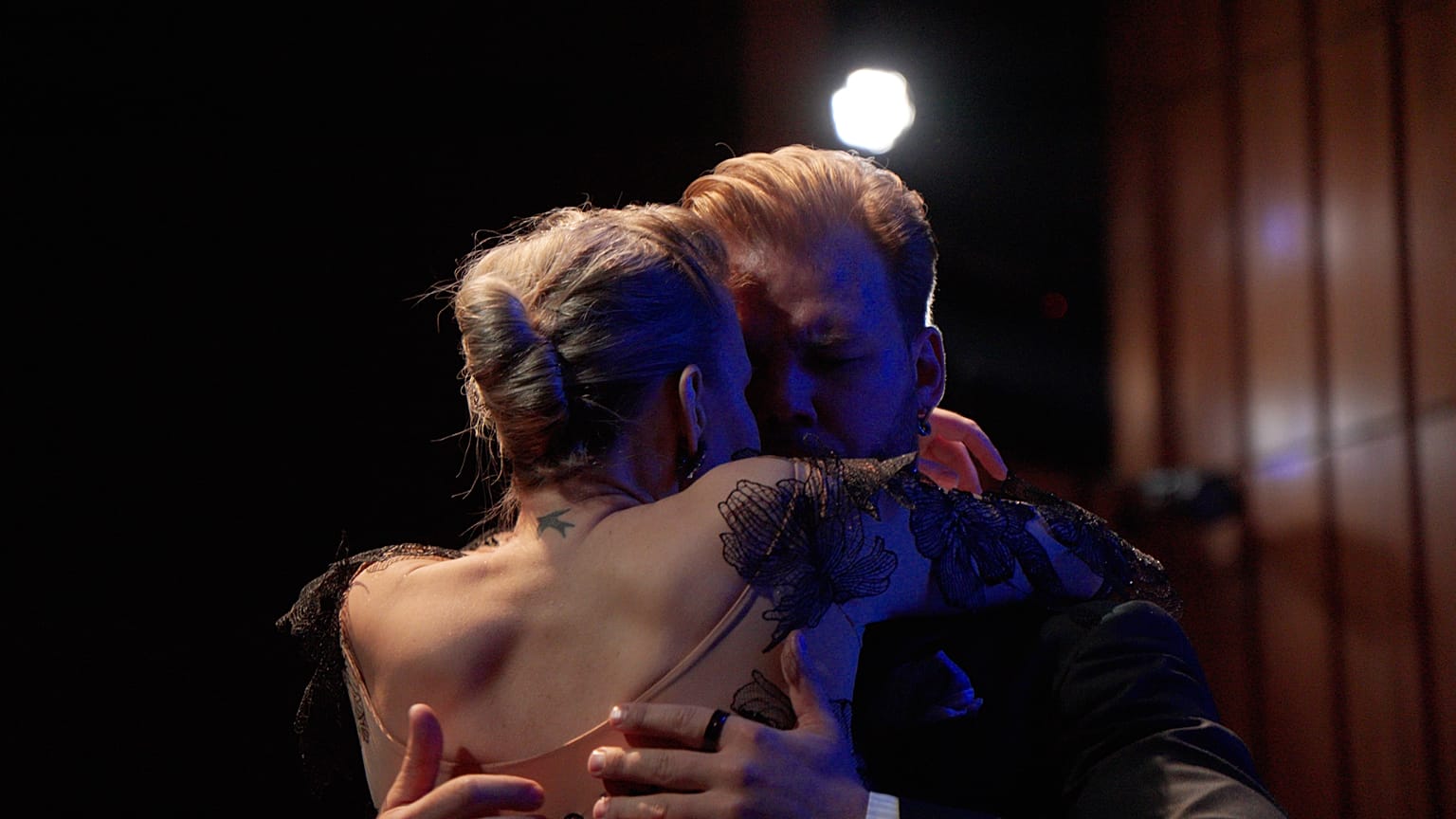














You might not expect to feel the pulse of Argentinian music echoing through the narrow streets of Baku, but the Azerbaijan capital's inner city, Icherisheher, has been transformed by a Tango-loving dance troupe
Tango is one of the world's most recognisable dances - a universal expression of love, passion and intensity.
 ADVERTISEMENT
ADVERTISEMENT
ADVERTISEMENT
But it perhaps isn't the first thing that comes to mind when you picture a city like Baku in Azerbaijan, a country renowned for its intricate carpet weaving, medieval architecture and traditional dances like Yalli and Asma Kasma.
At first glance, the two are an unlikely pairing: Tango was born in the port districts of Buenos Aires in the late 19th century, while Baku sits at the crossroads of Europe and Asia on the shores of the Caspian Sea.
However, the two have joined forces after Baku hosted its first-ever international tango festival, El Calor en Baku.
Baku has become a 'meeting point between Europe and Asia'
Festival organisers claim it's now exactly the "perfect" moment to bring an international tango festival to Baku.
“Azerbaijan is experiencing a period of dynamic cultural growth and increasing international visibility,” says Eldar Djafarov, founder of the Azerbaijan Dance Union.
“Baku has become a meeting point between Europe and Asia, and we felt it was the right moment to introduce a world-class cultural event that could unite people through art and human connection.”
The human connection is key, as Djafarov points out that the Azerbaijan Tango Festival was never intended to be just a dance event.
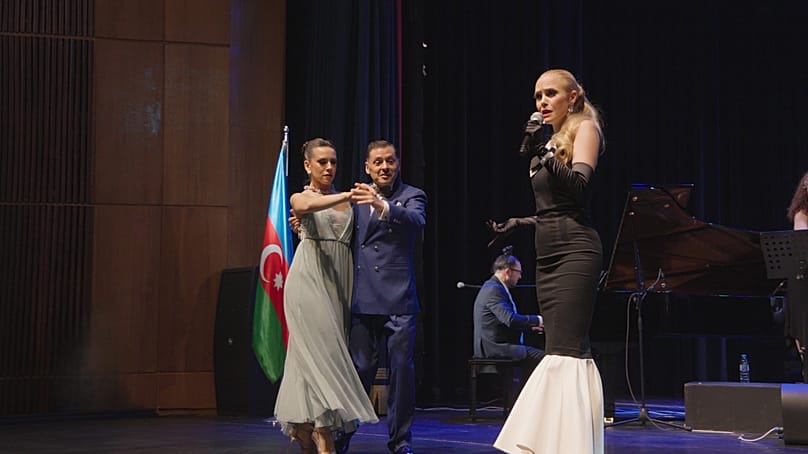
It was designed as a Week of Argentine Culture, with the intention of bringing together dance, music, cinema, gastronomy, education, and tourism.
"Over six days, the historic streets of Icherisheher became a living cultural bridge between Azerbaijan and Argentina," he adds.
Tango's 'intangible cultural heritage'
Culture has always travelled with music, dance and storytelling evolving through geographies and very rarely staying where they begin.
Tango had spread from Argentina to cities like Paris, Rome and Berlin long before it arrived in Baku. One could argue that it has become a global language of emotion, connection and expression.
In fact, it is even recognised by UNESCO as part of the world’s intangible cultural heritage - showing it can't be stopped by geographical borders.
"We saw thousands of visitors, international guests, local residents, diplomats, artists, and dancers sharing the same spaces, discovering new cultures, and creating new friendships," Djafarov says.
"That confirms that Baku is ready for an event of this scale and international significance.”
'This passion makes me feel alive'
The closing spectacle took place at the opera house and what a show it was.
With exceptional musicians and a glamorous husky singer backing a mix of professional tango teachers and choreographers, it all suggests that the first edition of this international festival will soon become a regular fixture in the tango calendar.
The dancers, who come from a mix of countries including Argentina and a number of whom are couples, all exude their passion and enthusiasm.
Couple Yanina Quinones and Neri Piliu portrayed their expertise on stage, but I managed to talk to them during the practice session just half an hour before the performance.
“This passion makes me feel alive,” Quinones tells Euronews. “Sometimes when we walk in the street, we see people and we say, why don't they dance tango?
“They will be happier, or the happiness that people [already] feel - they could bring that to tango. So we need more people dancing tango in the world.”
Jesus Gorgone and Viktoria Lizunova are married and skillfully offered a ‘playful’ story to the packed hall, where they showcased their folklore storytelling through tango.
“People like our classes and our show because they participated in these classes and feel free to dance," explains Lizunova.
She adds that people feel free at their lessons “without shame, without dance, with a smile, with heart".
She tells Euronews: “It's very open. Its culture is very calorosa, very warm. That's why people from Baku, from Azerbaijan, like tango or folklore.”
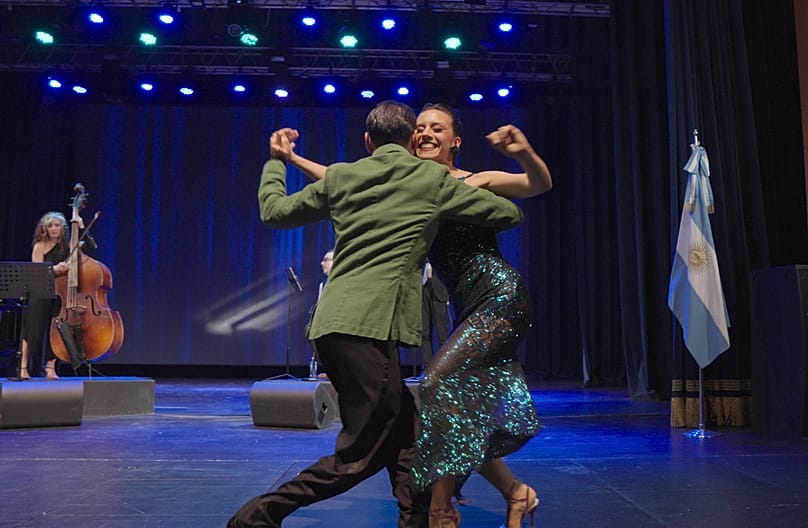
Often, it is the settings of these dances that make the festival feel so striking. Whether that is beneath the ancient walls of Icherisheher or in the iconic opera house - dancers and musicians from across the world are sharing a tradition that originated thousands of kilometres away.
Concerts, masterclasses and cultural events have turned one of Azerbaijan's most ancient locations into a meeting point between cultures.
Organisers are hoping the popularity of the festival will help to place Baku on the international tango map and become a regular stop on the global tango circuit, attracting dancers, teachers and visitors from across Europe and beyond.
Festival Producer Arthur Ostrolutsky says people can be “shy when they talk about their emotions and feelings”.
“I think it's a good way to connect with each other," he adds. "And of course, we are attracted by this big tango community that travels around the world.
Watching couples glide across the dance floor, it is easy to see why tango has endured for more than a hundred years.
The music may come from Argentina, but the appeal is universal.
And for a few summer evenings in Baku, the distance between Buenos Aires and the Caspian suddenly felt very small indeed.