

















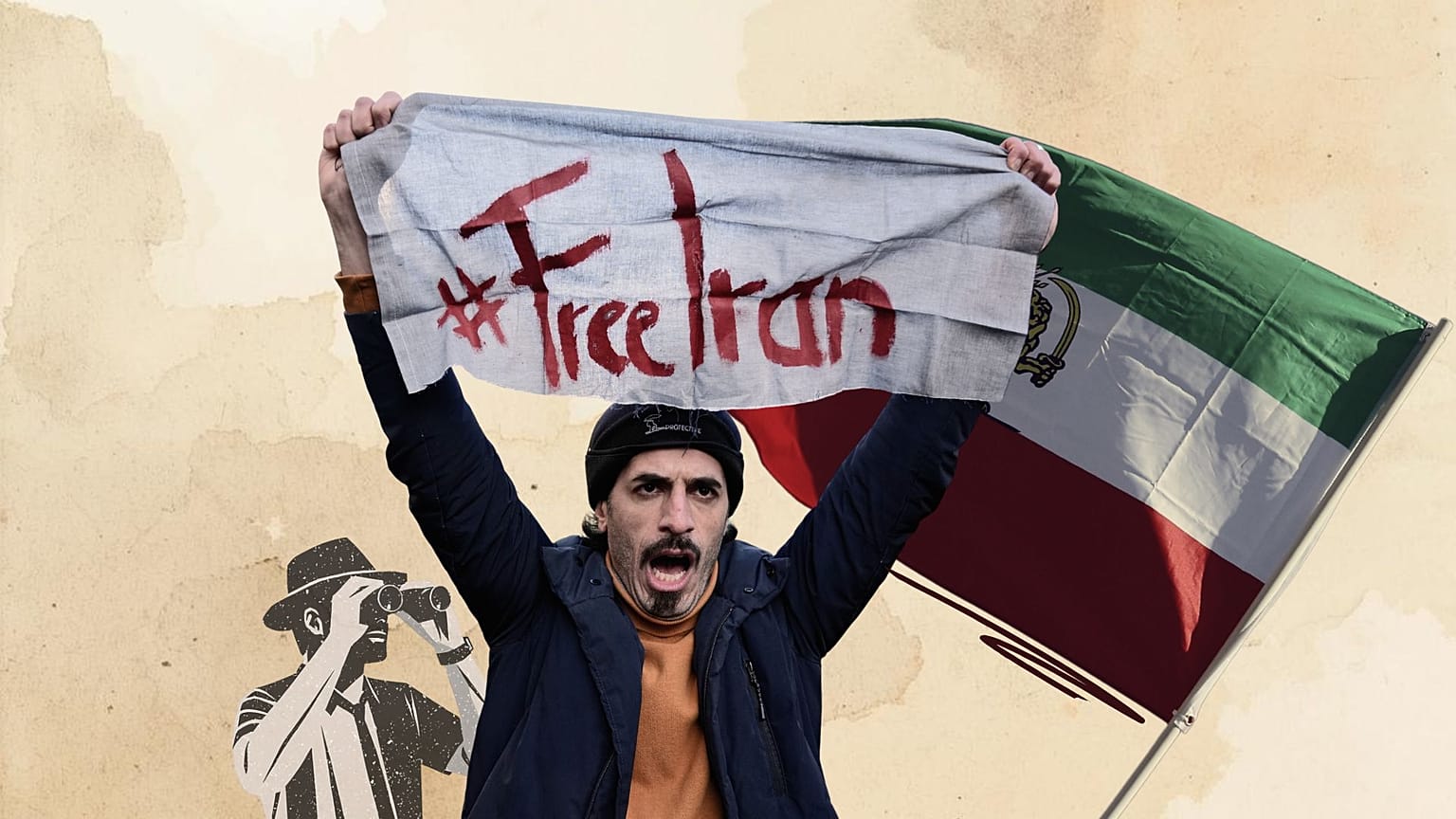













Threats, espionage, attempts to syphon information via messaging apps: according to authorities, Iranian secret services are trying to spy on the diaspora and Tehran regime's opponents in Germany. Those affected feel intimidated amid pressure on their families back home.
Iranian intelligence services are conducting extensive surveillance operations against opposition activists in Germany, using family members as leverage and WhatsApp to recruit informants, according to German security officials and exiled Iranians.
 ADVERTISEMENT
ADVERTISEMENT
ADVERTISEMENT
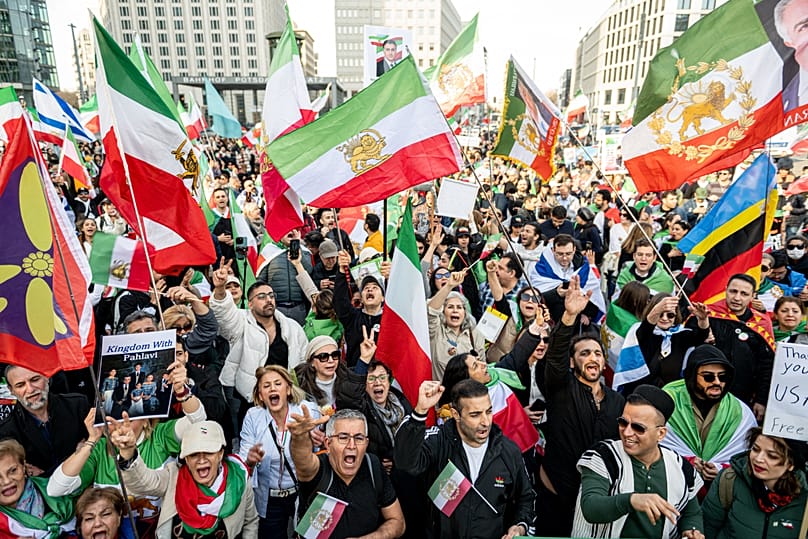
Iran's Ministry of Intelligence — also known as VAJA and MOIS — along with the Quds Force and the Islamic Revolutionary Guard Corps Intelligence Organisation are monitoring rallies and attempting to identify opposition figures, Germany's Federal Office for the Protection of the Constitution told Euronews.
"It can be assumed that Iranian services are monitoring rallies in Germany in order to spy on and identify opposition actors in particular," the domestic intelligence service said. A reporting centre has been set up for this purpose.
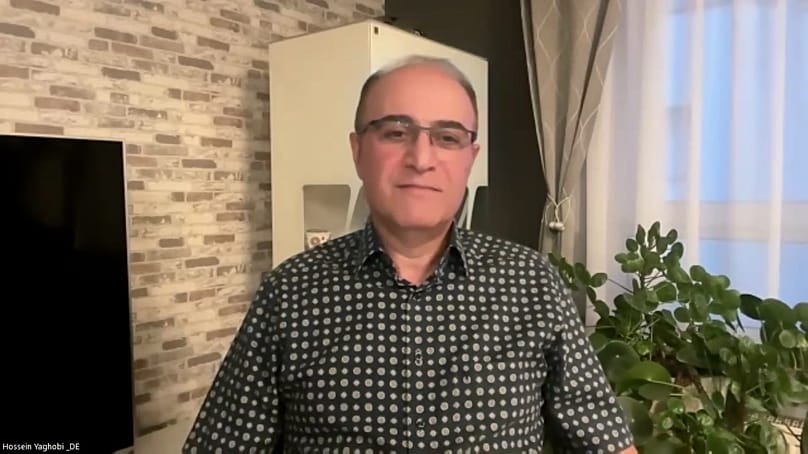
Hossein Yaghobi, an Iranian engineer who has lived in Germany for more than 40 years, said Iranian authorities arrested his family members as soon as he arrived in the country.
They were tortured, he said, and he was repeatedly promised his family would be left alone if he co-operated with Tehran.
Agents even promised him a high-ranking engineering post in Iran, Yaghobi told Euronews.
He recently received a warning not to travel to Turkey. "The secret service contacted my nephew and tried to persuade him to meet with me in Istanbul," Yaghobi said. Opposition members have been kidnapped several times by Iranian intelligence in Turkey.
Yaghobi said exiled Iranians' families are effectively "hostages" of Tehran. They are repeatedly summoned to the Iranian Ministry of Information to exert pressure on opposition members living abroad.
'What's her name?'
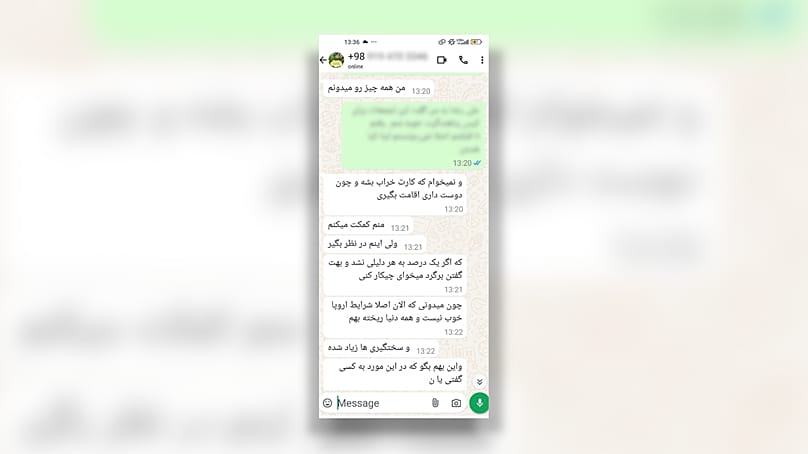
Iranian intelligence uses WhatsApp for many contact attempts, trying to join WhatsApp groups of exiled Iranians or writing directly to targets, according to chat logs obtained by Euronews.
In one exchange, an agent using an Iranian number contacted an opposition member claiming to have spoken with his brother. "Please send me the picture from Stuttgart, God bless you," the agent wrote.
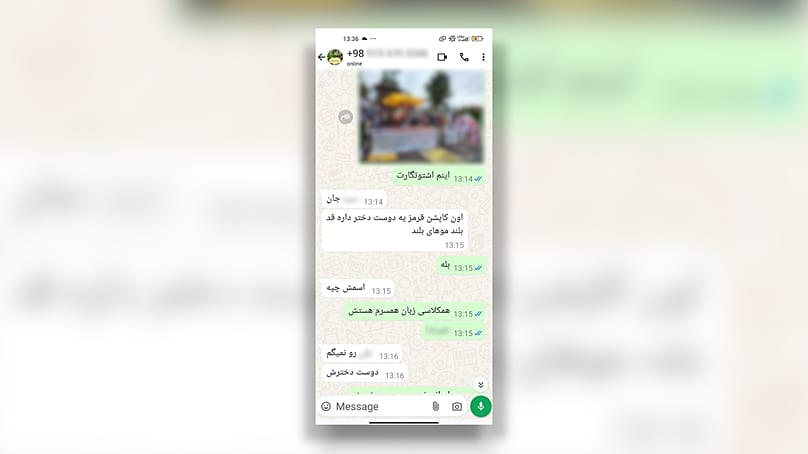
The agent then asked for information about people at protests. "The guy with the red jacket has a girlfriend, tall, with long hair. What's her name?" the message read. "Who brought you into contact with them?"
Later messages suggested help with residence problems. The agent then threatened to sabotage the asylum application if the target spoke publicly about the contact. "If anyone knows, your asylum case will fail. This is my job. Be sure, nobody can know that you spoke to me," the message said.
Many spies targeting exiled Iranians in Germany also come from Iran, Yaghobi said. Refugees who want to return to Iran must fill out a form at the Iranian embassy agreeing to provide names, he said. The regime also sends supporters to Germany and has recently attempted to use proxies such as Hezbollah members.
"These are the regimes, the dictatorial regimes, that think that every member of the opposition could potentially be a danger and that they must be silenced," said Ralph Ghadban, a political scientist who has written a book about the mullahs' network.
The Revolutionary Guard is trying to control exiled Iranians in Germany as in other European countries, Ghadban said. The regime does not shy away from attacks to achieve its goal.
Last summer, Danish police arrested 53-year-old Ali S, a Dane of Afghan background, on suspicion of spying on Jewish and Israeli institutions for Iranian clients, according to Germany's Federal Public Prosecutor General. The Iranian embassy in Germany rejected the allegations.
In 2018, French, German and Belgian authorities foiled a terrorist attack on a demonstration by Iranian opposition activists. In 2017, an Iranian opposition activist was shot dead in The Hague.
A regime in a fight for survival
"The Iranian regime is in an absolute fight for survival," Marc Henrichmann, chairman of the Parliamentary Control Panel for the Control of the Federal Intelligence Services, told Euronews.
The CDU politician said no one can say with certainty whether or how the apparatus will stabilise and how this will affect foreign countries.
"The Iranian secret service has repeatedly shown in the past that it extends its arm far beyond its own borders, directly or via proxies such as Hezbollah," Henrichmann said.
Sonja Eichwede, deputy chairwoman of the SPD parliamentary group, told Euronews the security situation in Germany is serious.
"Due to the ongoing conflict in Iran, the security situation here in Germany is serious. The abstract danger has increased. The security authorities are constantly assessing the security situation and are ready to take appropriate and rapid protective measures."

Iranian citizenship nearly impossible to renounce
More than 160,000 Iranian citizens without a German passport live in Germany. The number has risen sharply in recent years.
Iranians can apply for naturalisation, but renouncing Iranian citizenship is practically impossible.
Every child with an Iranian father automatically receives an Iranian passport regardless of whether they were born in Iran or Germany.
For Yaghobi, filing charges against the spies is of little use. He hopes for freedom, democracy, human rights and equality in his homeland — and that the fundamentalist dictatorship will not be replaced by another similar regime.