



























The seven sites were selected on the basis of their European cultural and social value.
Europe has no shortage of spectacular historic attractions to add to a holiday itinerary. But with so many treasures to take care of, some lack the attention and funding they deserve.
 ADVERTISEMENT
ADVERTISEMENT
ADVERTISEMENT
Europa Nostra, the leading European heritage civil society network, compiles an annual list of those most in need – and 2026’s 7 Most Endangered Heritage Sites in Europe include the ancient city of Minoa in Greece and British barracks in Malta.
Since its launch in 2013, the nomination-based programme has acted as a catalyst for mobilising expertise, halting unsuitable development, and ensuring public and private funding.
Each case on the final list is eligible to receive a European Investment Bank (EIB) Heritage Grant of €10,000 to support action towards saving it.
Saving Europe’s endangered heritage sites
The seven sites were selected on the basis of their European cultural and social value, as well as the serious danger that they are facing. Another selection criterion was the potential to act as a driver of sustainable socioeconomic development.
The next step is to form expert teams for each site, who will gather information, meet with key stakeholders, and carry out site missions to assess conditions on the ground.
The findings will inform a report with recommendations for action and support the development of a tailored project for each site, to be implemented over the next two years with the support of the EIB Heritage Grant.
Here are the seven sites at risk.
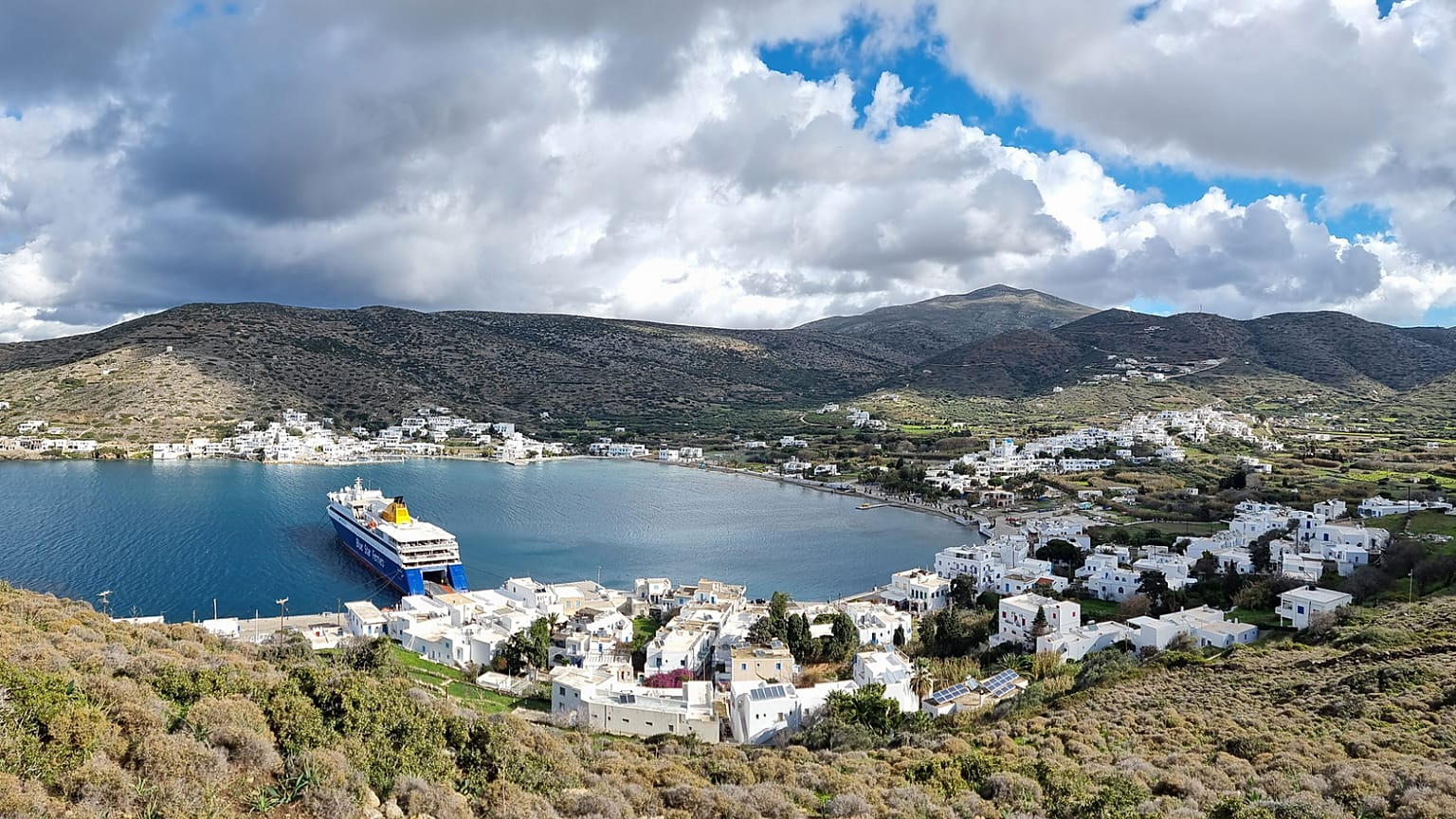
Katapola Village and Ancient City of Minoa, Greece
Located on the island of Amorgos in the Cyclades, the Katapola Village and the Ancient City of Minoa are an exceptional record of the continuity of human settlement from antiquity to the present, says Europa Nostra.
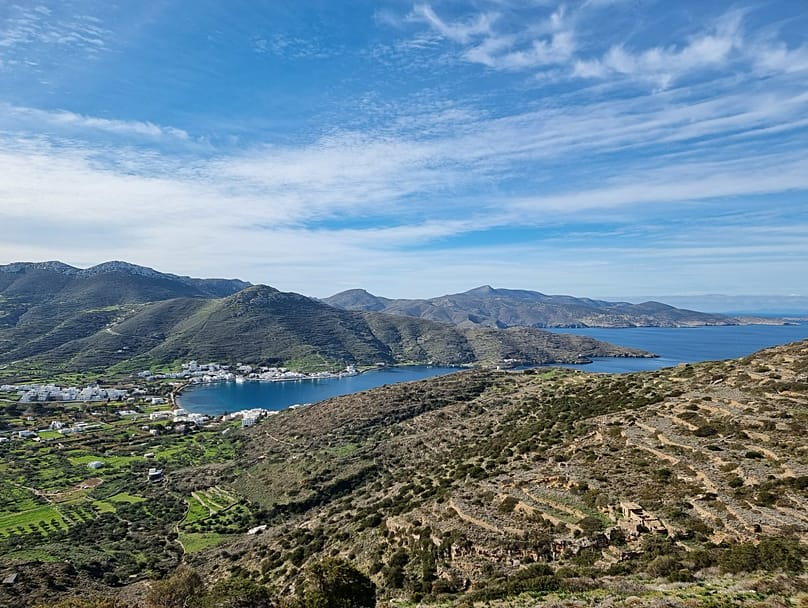
Planned large-scale port developments pose a direct threat to the fragile cultural and historic landscape, risking irreversible damage to both the archaeological site and the living community that is connected to it.
Europa Nostra says the protection of these attractions could offer “a powerful opportunity to establish a replicable model for other Mediterranean islands, proving that heritage conservation, community life and sustainable development can and must coexist”.
Fábri Watermill, Feked, Hungary
Located in the village of Feked in southern Hungary, the Fábri Watermill was built by German settlers in 1788 on the Karasica stream.
The mill embodies “centuries of knowledge transfer, technical skill and community tradition”, says Europa Nostra. “Its multi-generational stewardship – from the Träbert brothers to the Fábri and Gerst families – reflects a continuous connection to local agricultural life and craftsmanship.”
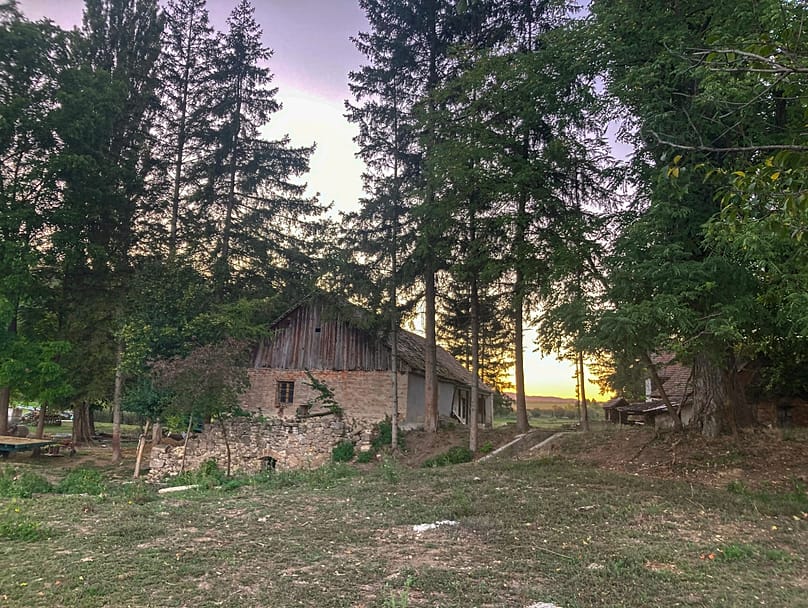
Rich in cultural detail, the mill and its associated buildings offer a glimpse into pre-industrial milling communities.
The committee says the mill is threatened by structural decay, flooding and disuse. Preserving the structure hopes to revive a “living, working, productive testament to Europe’s rural ingenuity, communal memory, and the enduring value of local and vernacular heritage”.
Blower Hall, Esch-sur-Alzette, Luxembourg
The Blower Hall at the Belval site in Luxembourg is a rare and monumental example of Europe’s industrial heritage now increasingly at risk across the continent.
Built in 1910 for iron ore processing, the hall is today located within the wider Minett UNESCO Biosphere Reserve.
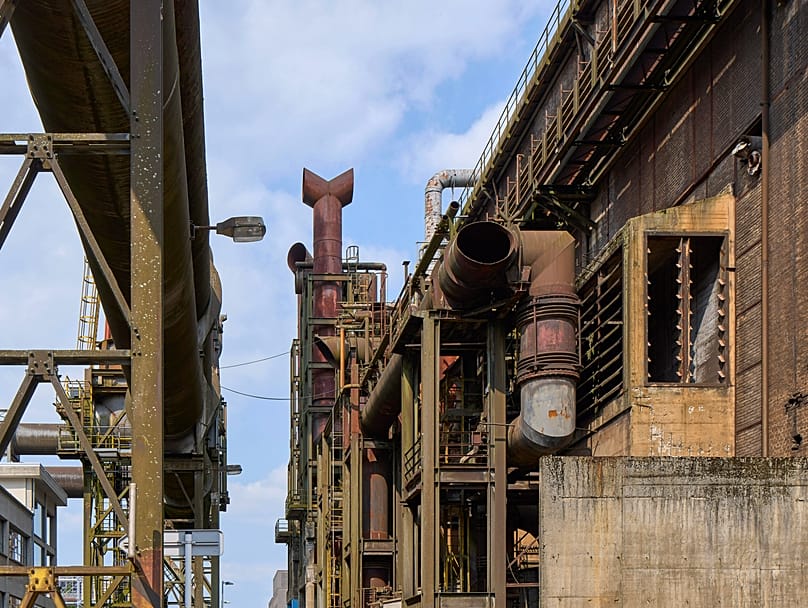
Despite national legal protection, it urgently requires rehabilitation to unlock its full potential as a dynamic civic hub, Europa Nostra says, integrating university education, science, culture and community life.
British Barracks at Fort Chambray, Gozo, Malta
The British Barracks at Fort Chambray in Gozo are the only surviving example of British military housing on the Maltese island.
Built in the 19th century within an 18th-century fortification, the barracks reflect broader reforms in soldiers’ living conditions and offer a rare insight into family life under British rule.
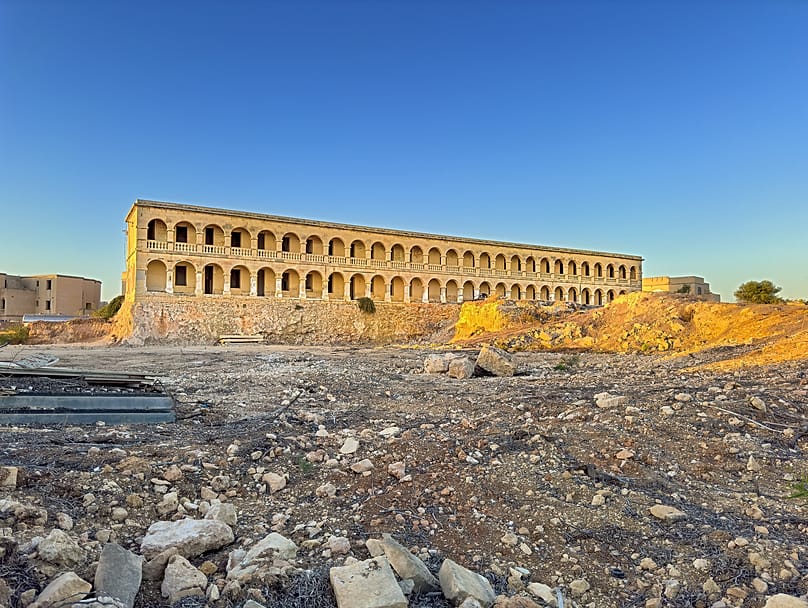
Today, the barracks face imminent destruction: A Planning Authority permit from 2024 allows the demolition of up to 85% of the structure to make way for intensive residential and hotel development.
Local NGOs, media and crowdfunding campaigns have mobilised to oppose these plans..
“Inclusion on the 7 Most Endangered list could provide a crucial opportunity to save the barracks, reconnect the community with its heritage, and promote sustainable, culturally sensitive redevelopment over short-term economic gains,” Europa Nostra says.
Vale de Milhaços Gunpowder Factory, Seixal, Portugal
The Vale de Milhaços Gunpowder Factory complex in Seixal, Portugal, is one of Europe’s most complete and exceptionally preserved industrial sites.
It was steam operated from the late 19th century until 2002, and retains original buildings, workshops and century-old steam machinery designed for safe black powder production, used for mining and construction rather than warfare.
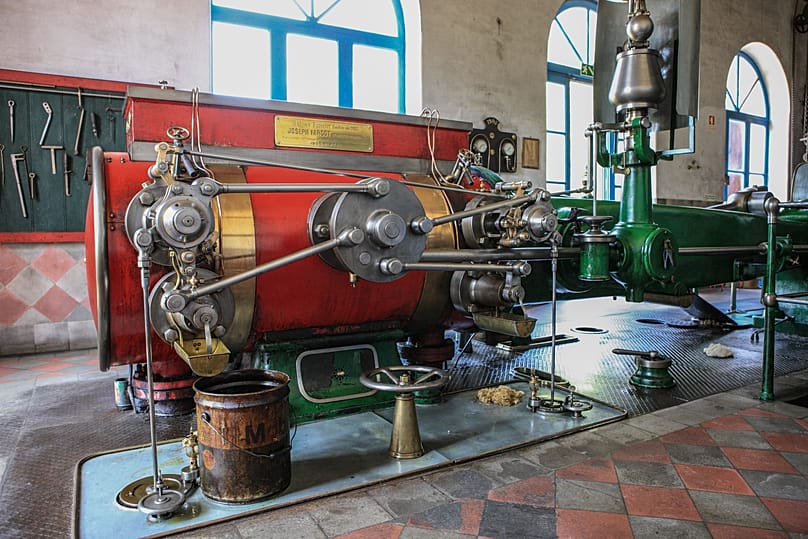
Beyond its industrial value, the factory complex is a rare ecological enclave, with 682 species inventoried since 2020.
Europa Nostra says urgent action is needed to combat structural deterioration, vandalism and invasive vegetation at the site.
“Supported by local communities, former workers and heritage institutions, the complex holds immense potential for sustainable adaptive reuse as a cultural, educational and scientific hub, with plans to transform it into a museum,” the committee says.
Reformed Church of Sântămăria Orlea, Romania
The Reformed Church of Sântămăria Orlea in Transylvania is one of the oldest stone churches in the region. It exemplifies the transition from Romanesque to Gothic architecture and preserves a rare sequence of unrestored mural paintings dating from 1311 to the mid-15th century.
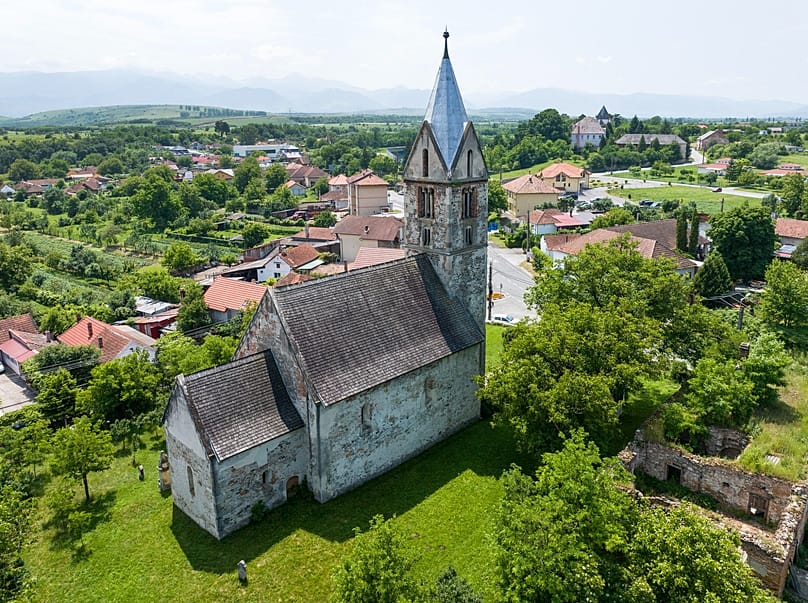
Despite more than 700 years of continuous liturgical use, the church now faces serious threats from rising dampness, structural cracks, peeling frescoes and inadequate past roof repairs.
“Timely intervention could not only safeguard this unique site, but also establish Sântămăria Orlea as a regional model for heritage-led conservation, sustainable cultural tourism and continued community life,” says Europa Nostra.
Weifert’s Brewery, Pančevo, Serbia
Weifert’s Brewery in Pančevo is a key monument of European industrial and brewing heritage, founded in 1722. It is the oldest brewery in the Balkans and a pioneer of steam-powered beer production in Southeast Europe.
Closely linked to the cultural and economic development of the Banat region within the Austro-Hungarian monarchy, it functioned not only as an industrial landmark but also as a vibrant social and cultural centre.
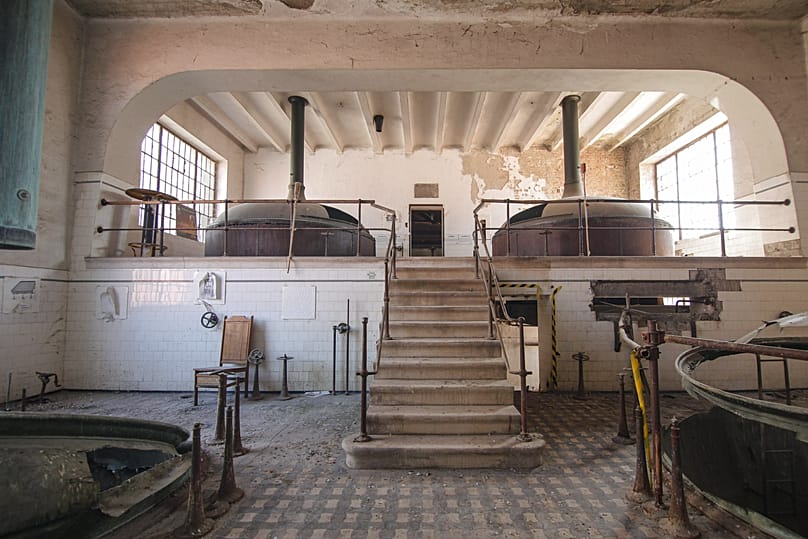
Today, the vast complex is at risk from long-term neglect, structural decay, theft of machinery, flooding, and extreme weather.
Europa Nostra says the brewery’s revival could become a flagship example of how large, out-of-use industrial sites can be sustainably transformed into community-focused cultural and creative hubs across Southeast Europe.