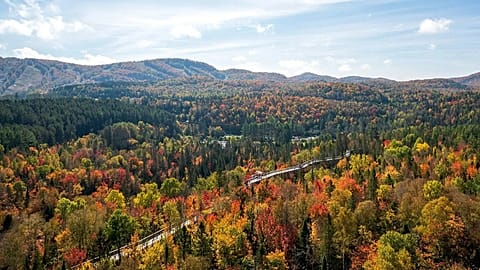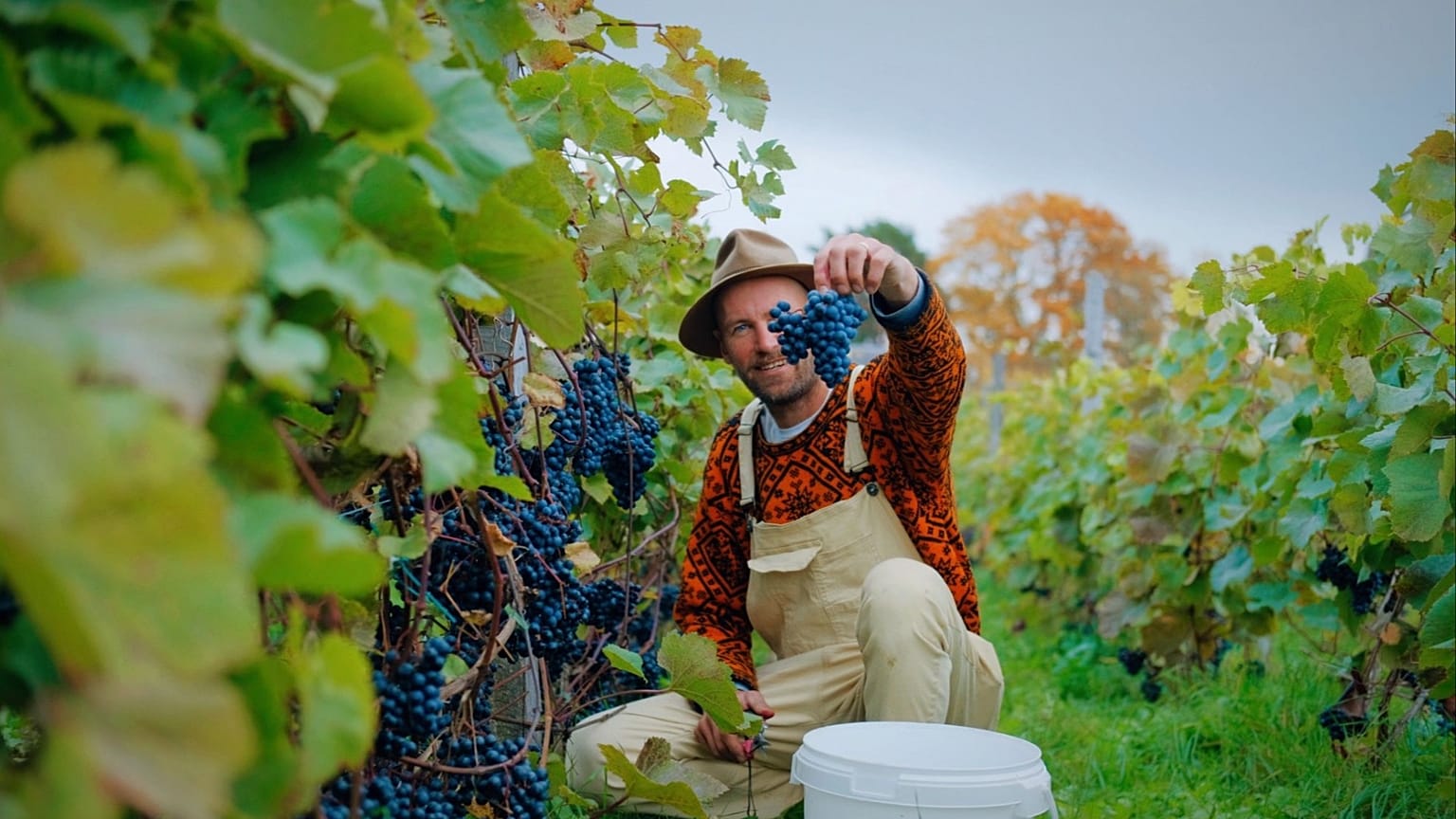













New developments in hybrid grapes and the effects of climate change have seen wine regions expanding ever further north over the past few decades.
When you think about European wines, certain destinations spring to mind: Bordeaux, Tuscany, Rioja – the kind of places you’d jet off to in search of sunny weather.
 ADVERTISEMENT
ADVERTISEMENT
ADVERTISEMENT
Yet in recent years the wine landscape has been evolving, with vineyards popping up across colder climes in northern Europe.
The reason behind the development is twofold: The creation of new hybrid grapes that can withstand the weather, and the impact of climate change on the region’s seasons.
It means the tipples we drink are changing, but so too are the destinations we visit on wine tasting trips.
‘Wine lovers can try something truly unique’
While Estonia has traditionally only produced fruit or berry-based wines, the past two decades have seen a small number of vineyards launch across the Baltic state.
“Cold climate viticulture has been getting more and more popular all over the world,” says Peke Eloranta, CEO of Luscher & Matiesen Muhu Winehouse.
“Just five years ago, Estonian sommeliers were laughing at me – but they’re not laughing any more.”
Luscher & Matiesen is among the northernmost vineries in the world, and one of the few open field vineyards in Estonia, with around 2,000 vines.
Visitors to the wine tourism farm can stay at the guesthouse and take part in viticulture tours, wine tastings, dinner pairings and even workshops.
“Our batches are small, so guests can get something truly unique. The wine reflects the terroir we have here, the harsh Nordic conditions and the short and cooler summer, and they are really special to taste,” Eloranta adds.
Aside from Luscher & Matiesen, you can discover the country’s vineyards on the official Estonian Wine Trail.
How climate change bolstered the UK’s wine industry
While English viticulture dates back to the Roman era, the wine scene across the country has only really taken off since the 1980s.
Climate change has seen the number of days with temperatures over 30 degrees increasing, and the time between the growing stage and harvesting is decreasing as a result.
Now, vineyards in the UK can produce international varieties like pinot noir, meunier, and chardonnay, which has increased their popularity.
There are some 1,100 vineyards across the UK, an increase of 74 in the past year alone, according to WineGB, the trade association for growers and producers.
While the industry is concentrated in southern counties like Kent, Essex and West Sussex, there are now vineyards cropping up in Yorkshire, too.
The growth of the industry is also a big win for tourism – over a million people visited UK vineyards in 2023, according to the WineGB Tourism Report 2024.
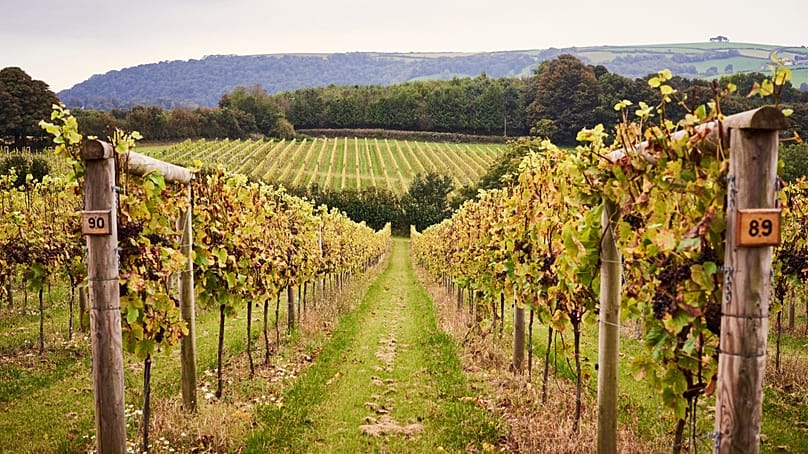
2026 is a great time to visit, too, as the 2025 harvest was “outstanding” due to the driest summer on record.
“Potentially this is the best year ever for still wine – especially chardonnay and pinot noir from the right sites – and we can expect some truly world-class wines from the top producers,” Harvest report author Stephen Skelton MW said.
“Sparkling wines will also be good and probably come to market sooner than wines from cooler years, which is no bad thing. We can also expect to see much better wines from the more marginal regions which is good.”
While the warmer weather might be good news for UK wine, for now at least, the wider picture is far more troubling.
There are various wine trails covering the different counties, all of which can be found on the WineGB website.
The rapid development of Swedish wine
Sweden being relatively new to the winemaking scene, having only been recognised as an official wine country by the EU in 1999, hasn’t stopped it from making a splash.
While vineyards use grape varieties that can handle the cold weather, it’s perhaps unsurprising that the industry is still mostly concentrated in the southernmost county, Skåne, with around 80 per cent of vines grown there.
In the summer of 2024, the county hosted The Swedish Wine Tasting, an event inspired by the 1976 Paris tasting that pitted French and California wines against each other in blind tests.
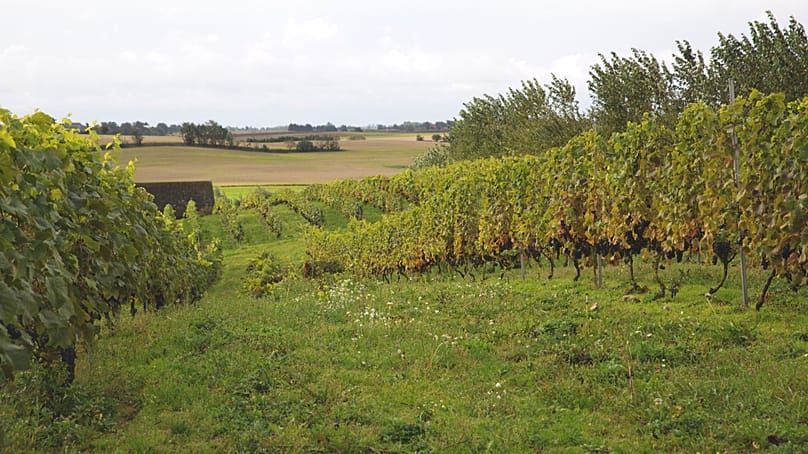
Like in 1976, when a Napa County wine triumphed, a Swedish wine topped the list, followed by a French classic Chardonnay, and then an English sparkling wine.
A rule change in mid-2025 is sure to boost the country’s wine scene, too – as of 1 June, cellar door sales are legal.
Previously, any alcoholic beverage above 3.5 per cent ABV could only be purchased at the state-owned Systembolaget.
Now, wineries and microbreweries will be able to sell their goods directly to customers – meaning the wine you loved at the tasting can come home with you right away.
You can find wine tastings and vineyard tours through Visit Skåne, the regional tourism board.