












The mayor of Radicondoli has earmarked €400,000 this year to lure new residents.
Dreaming of la dolce vita? In this Tuscan hilltown, it could cost far less than you think.
 ADVERTISEMENT
ADVERTISEMENT
ADVERTISEMENT
A tiny village in the hills west of Siena is the latest Italian community looking to turn back the clock on depopulation.
Radicondoli, a medieval town about an hour south of Florence, is offering a package of incentives for both renters and buyers in the hope of drawing new long-term residents, although notably it is not a one-euro home scheme.
Hilltop views and Tuscan wines
Radicondoli may have a small population, but it’s big on charm.
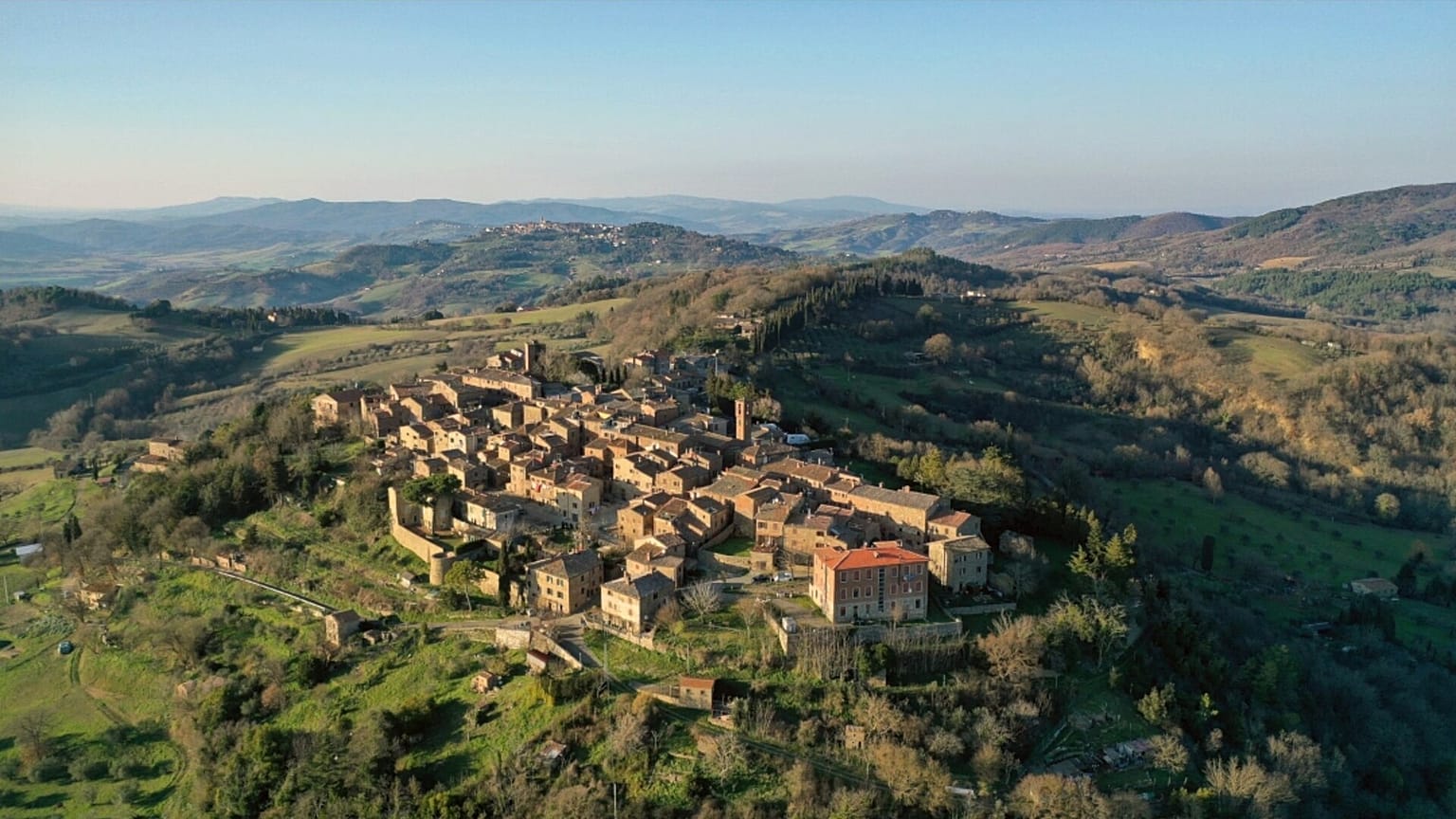
Founded more than 1,000 years ago, Radicondoli is still full of medieval character, with cobblestone roads, terracotta roofs and fragments of old defensive walls.
The town rises above Sienese fields, looking out over farmland, forests and olive groves. While it’s about one hour by car from Florence and the town of Siena, it’s surrounded by old castles and wineries, promising you a nightcap of Chianti from your new Italian home.
According to CNN Travel, local mayor Francesco Guarguaglini has set aside more than €400,000 this year to lure new residents, offering everything from grants for home purchases to subsidies for green energy users and students.
To widen its appeal, Radicondoli will also cover half of the first two years of rent for newcomers who apply by December 2025 and move in by early 2026. To be eligible, property buyers must commit to staying for at least 10 years. Renters must stay for at least four years.
Since introducing the incentives in 2023, the town has welcomed around 60 new residents – a boost for a town whose population has fallen from 3,000 to just 966 over the past century. About 100 of its roughly 450 houses currently sit empty.
But unlike towns offering crumbling one-euro homes, Radicondoli emphasises that its properties maintain real market value. Many are already lived-in or maintained, so newcomers are not starting with major rebuilds, Guarguaglini told CNN.
How other towns are trying to revive local communities
According to the latest report from Italy’s National Federation of Building Ownership, the country has around 8.5 million unused homes, including second residences, dwellings without utilities and properties not listed for tax purposes.
Radicondoli is one of many Italian towns introducing incentives to attract new residents to move into some of them and others.
In Tuscany, regional authorities have offered between €10,000 and €30,000 to people willing to buy homes in villages with fewer than 5,000 inhabitants. In Sicily, towns such as Sambuca and Mussomeli continue to release unused homes at symbolic prices, with buyers required to renovate the properties within a set timeframe.
Similar schemes have appeared in parts of Sardinia, the Apennines and elsewhere, too.
Many people who apply for these schemes say the decision often comes down to cost. As property prices soar in cities around the world, the dream of ownership sometimes feels out of reach. Others point to the space or the chance to build a DIY dream home in a beautiful location.
For anyone weighing a move to rural Italy, whether for cost or a better life balance, Radicondoli is offering an attractive and realistic way to do it.