












World leaders want to regulate AI — but they can't agree on how. Here is everything that is being said.
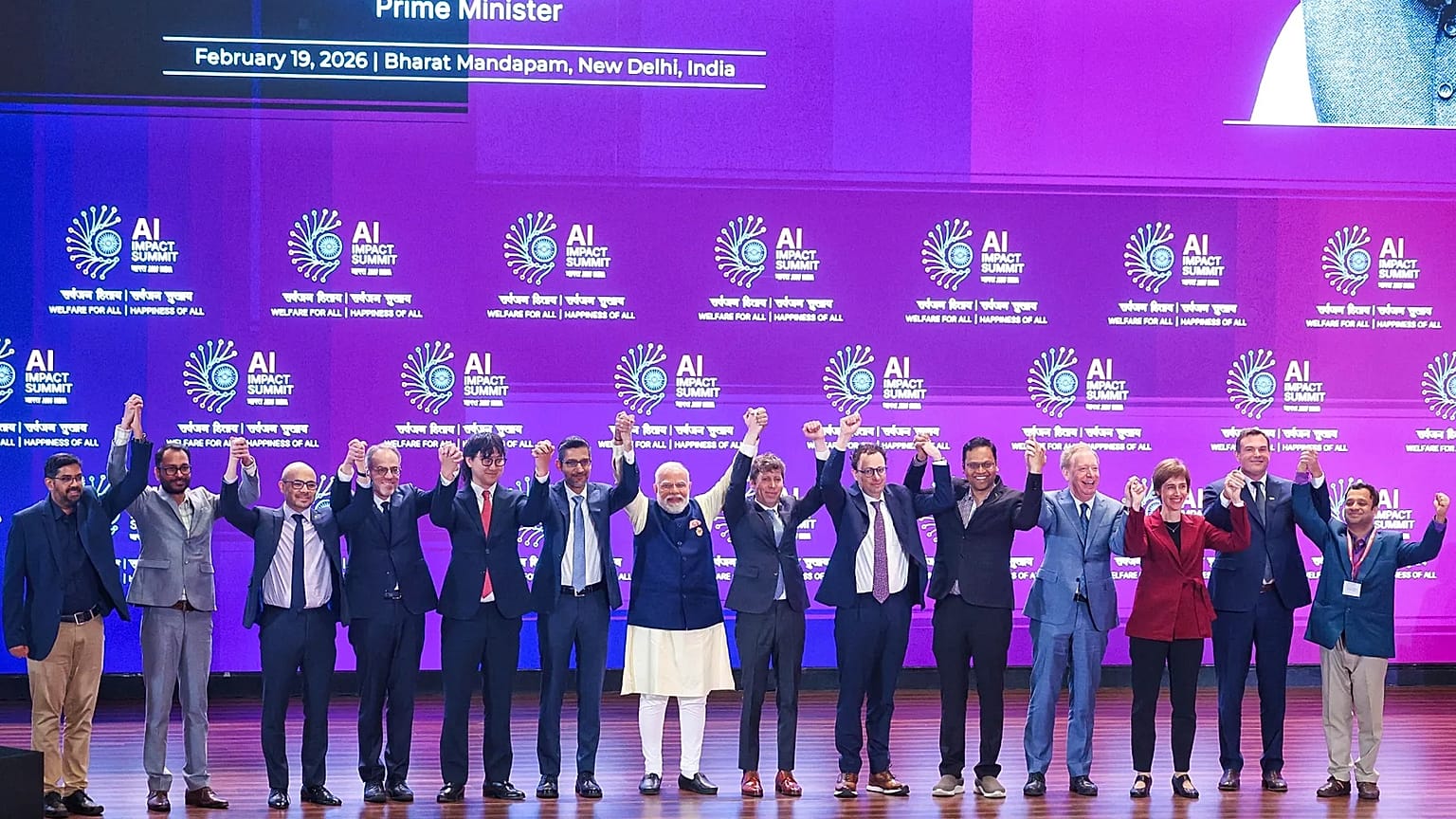
World and technology leaders are gathering in India for the annual global AI summit, which aims to establish a unified framework for artificial intelligence (AI) governance and international cooperation.
 ADVERTISEMENT
ADVERTISEMENT
ADVERTISEMENT
But given that last year’s AI summit in Paris highlighted fragmentation amongst countries in how the technology should be regulated to keep the technology safe, it is unclear what, if anything, will be pledged.
Here is what world and tech leaders have said so far at the AI Impact summit in New Delhi.
United States: Rejects global AI governance
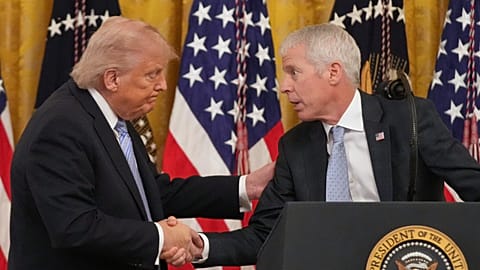
The White House technology adviser, Michael Kratsios, said on Friday that the United States "totally" rejects global governance of AI.
"AI adoption cannot lead to a brighter future if it is subject to bureaucracies and centralised control," he said.
"As the Trump administration has now said many times: We totally reject global governance of AI," the head of the US delegation said.
His comments follow US Vice President JD Vance's warning last year against what he called "excessive regulation" that "could kill a transformative sector".
Emmanuel Macron: Protecting against ‘Digital abuse’
The French President vowed to protect children from “digital abuse” during France’s presidency of the G7.
Macron urged for more safeguards following Elon Musk’s Grok AI chatbot being used to generate deepfake images of sexualised women and children without consent.
He also said AI should not be just in the hands of a few powerful AI companies.
“AI has become a major field of strategic competition, and big tech got even bigger.”
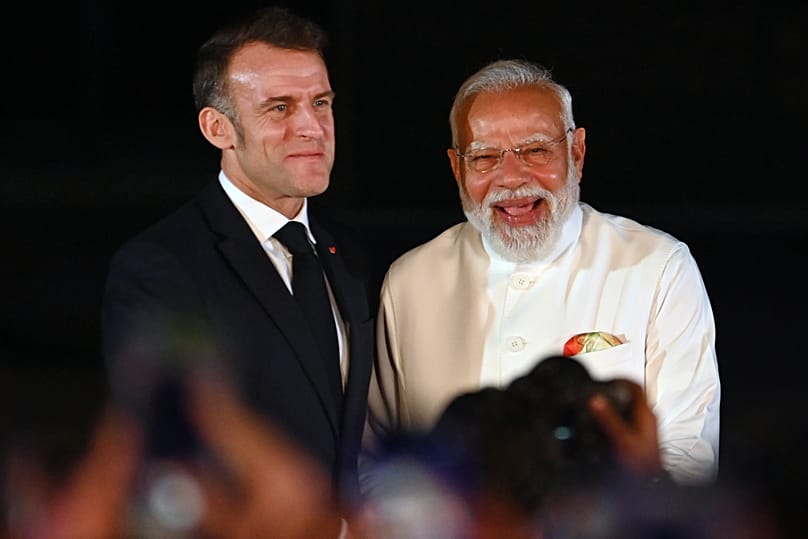
Macron also hit back at criticisms that Europe overregulates AI to its detriment.
“Opposite to what some misinformed friends have been saying, Europe is not blindly focused on regulation,” he said.
“Europe is a space for innovation and investment, but it is a safe space, and safe spaces win in the long run.”
He also said that Paris and New Delhi share a common vision of “sovereign AI,” which he described as AI developed and governed in a way that protects the planet while fostering inclusive economic growth.
Narendra Modi: ‘a shared resource for the benefit of all humanity’
India’s Prime Minister highlighted the host country’s culture and heritage, saying, "India is the land of Buddha, and Lord Buddha said, 'right action comes from right understanding. Therefore, it is very important that we together create a roadmap that shows the true impact of AI”.
"India's direction regarding AI is clear,” he added, saying the technology is “a shared resource for the benefit of all humanity”.
“Together, we must create an AI future that advances innovation, strengthens inclusion, and moves forward by incorporating human values. When technology and human trust go hand in hand, the true impact of AI will be visible on the world."
“We must resolve that AI is used for the global common good.”
“We are entering an era where humans and intelligence systems co-create, co-work and co-evolve,” he added.
Tech leaders- Bill Gates pulls out
Microsoft co-founder Bill Gates was supposed to deliver a keynote address at the summit.
But the Gates Foundation philanthropic organisation said hours before he would pull out and that the decision was made after "careful consideration" and "to ensure the focus remains on the [summit's] key priorities", but did not explain why.
The withdrawal comes after his ties to the late sex offender Jeffrey Epstein was reveleaed in files by the US Department of Justice in January. Gates has said he regretted spending time with Epstein.
OpenAI’s Sam Altman: ‘AI is the best way to ensure humanity flourishes’
OpenAI’s CEO and cofounder said the world should “urgently” regulate AI.
"Democratisation of AI is the best way to ensure humanity flourishes," he saidbut he said centralising the tech in one company or country "could lead to ruin".
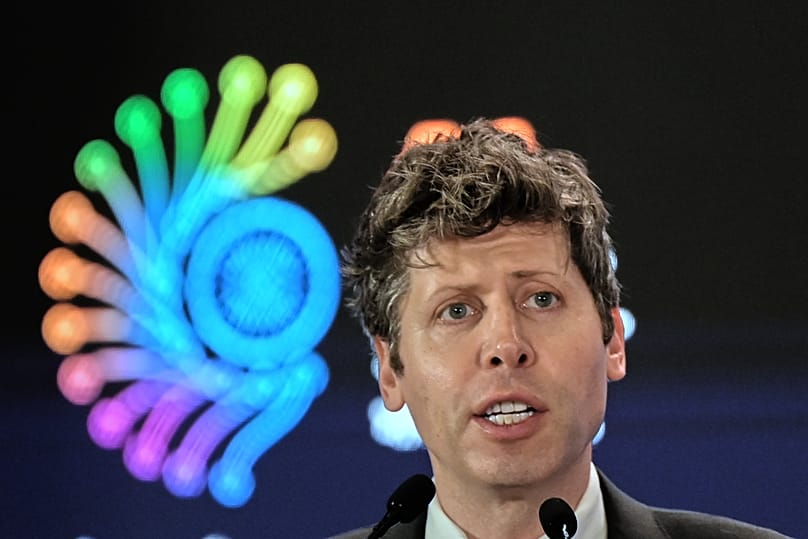
"This is not to suggest that we won't need any regulation or safeguards," Altman added.
"We obviously do, urgently, like we have for other powerful technologies."
Google's Sundar Pichai: 'We cannot allow the digital divide to become an AI divide'
The CEO of Google and Alphabet said AI is "the biggest platform shift of our lifetimes".
He said, "We are on the cusp of hyper progress, and new discoveries that can help emerging economies leapfrog legacy gaps,” said Pichai
But he said to "build AI that is truly helpful for everyone, we must pursue it boldly, approach it responsibly, and work through this defining moment together.”
Anthropic’s Dario Amodei: ‘Opportunities and risk’
Anthopic’s CEO said AI has been on an “ exponential for the last 10 years… we are now well advanced on that curve”.
He warned that machines outperforming humans may be only years away, describing a future with “a country of geniuses in a data centre, a set of AI agents that are more capable than most humans at most things, and can coordinate at superhuman speed.”
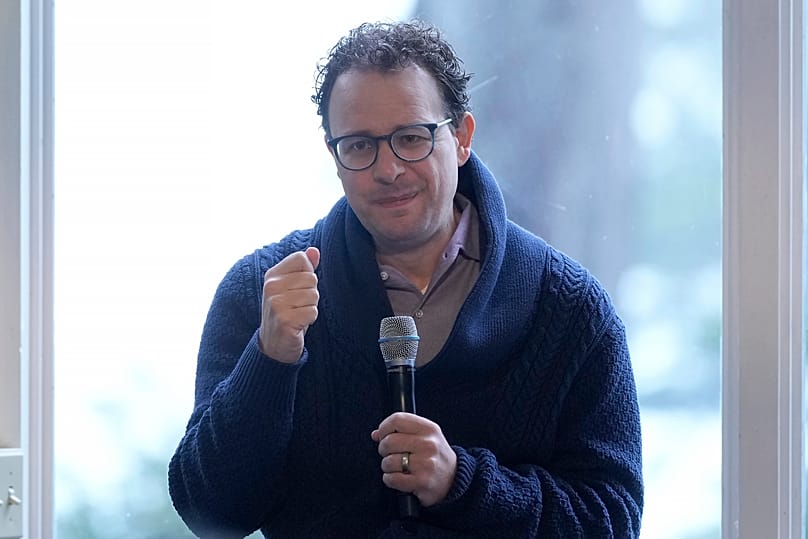
He said that while AI could cure disease and lift millions out of poverty, it may also pose serious risks, such as misuse and job disruption.
“India has an absolutely central role to play in these questions and challenges, both on the side of the opportunities and on the side of the risks,” Amodei said.