





























Merz and Meloni’s updated Italo-German Plan of Action doubles down on legislative self-restraint, simplification, and better regulation. The real test now is the Omnibus push and the Better Regulation reform.
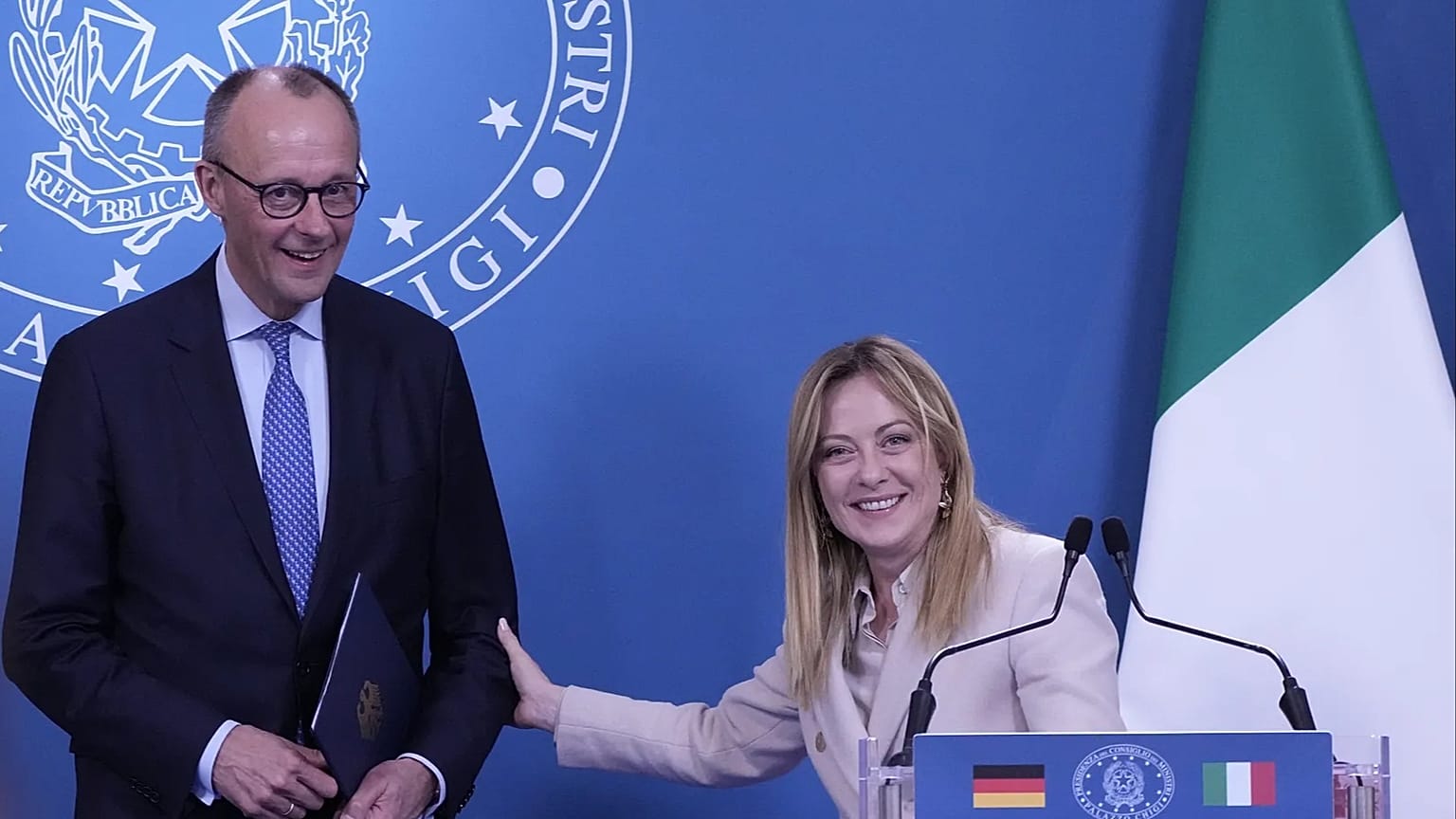
Last week, German Chancellor Friedrich Merz met Italian Prime Minister Giorgia Meloni in Rome, where the two leaders signed an updated Italian-German Plan of Action for strategic bilateral and EU cooperation.
 ADVERTISEMENT
ADVERTISEMENT
ADVERTISEMENT
The plan covers a number of areas for both bilateral cooperation between Italy and Germany and at the EU level, and it is largely in line with the European Commission’s strategic plans through 2029.
What stands out is the German and Italian leaders’ open and ambitious push for “legislative self-restraint”, the continuation of the simplification agenda, a mindset shift on regulation, and reforms in public administration
This sentiment is not new and has been seen among EU leaders before, however, to fully implement this ambition, both a change of mindset and a tangible evaluation of the legislative and regulatory regime are needed - not only at the simplification level for existing legislation, but also for proposals that are only now being tabled.
Lastly, Europe’s pro-competitiveness pushers have to stay cautious about the upcoming Better Regulation reform, which could further reduce their chances of making informed decisions about the necessity of some new initiatives.
Continuation of simplification agenda and legislative self-restraint
In the plan, Italians and Germans call for a “consequent simplification agenda”, “legislative self-restraint”, “unbureaucratic, business and SME-friendly implementation of EU initiatives”.
All of these goals sound good on paper, but are very hard to implement without a change in mindset - shifting from large volumes of new initiatives to a targeted, thought-through, and proportional legislative process, with real and coordinated action at the Council of the EU level to exert influence over the European Commission’s agenda.
The plan recognises the current limitations to such a change, stating that “a new mindset of legislative and regulatory self-restraint” is needed. The statement that new legislative proposals that may introduce excessive administrative burden “should be withdrawn or not be tabled in the first place” also sounds promising, but raises questions about whether Italy and Germany will follow-through these ideas not only via the simplification process, but also by staying firm on new legislative initiatives that may duplicate the existing ones or may disproportionately affect both European businesses and consumers.
Shared positions on Omnibus proposals
In the plan, Germany and Italy state they will share their positions on the Omnibus proposals and will attempt to jointly push for “meaningful simplification” and “tangible burden reduction” for start-ups, SMEs and “the industry at large”.
Again, this is a welcome change and is likely to embolden smaller EU Member States to follow in their footsteps. So far, the Omnibus proposals have received a cold welcome from left-leaning politicians and organisations, which do not hesitate to bully politicians into retreat or inaction.
Better regulation reform: caution alert
Italy and Germany’s ambition to push for a more competitive Europe through smarter regulation and legislative policymaking will be first tested through the upcoming Better Regulation System reform.
The European Commission is currently running a Call for Evidence on Better Regulation until February 4th, with, sadly, only 23 responses so far. The supporting documents essentially argue that the EU needs to be faster in its decision-making, with some consultation and evaluation processes being far too time and resource-intensive.
The EU’s Better Regulation guidelines and principles are often criticised for being ambitious and engaging (and also recognised by organisations such as the OECD as exemplary), but not really followed through, with policymakers often using loopholes and refraining from following the necessary steps due to “force majeure” circumstances. For example, the Better Regulation guidelines state that the exemption from the guidelines (with the subsequent consultation, evaluation steps removed/reduced) can be requested from the Secretariat-General. There is even a dedicated mailbox for these purposes.
If the Better regulation guidelines are relaxed further, the stakeholder consultation process is reduced, allowing the Commission to pick-and-choose which stakeholders it wants to receive input from, and the evaluation processes (examining the necessity of new legislative action, its impact on the economy, and the current framework) are reduced to a minimum, countries like Italy and Germany will have even less leverage over the European Commission’s agenda, and won’t be able to make informed decisions when discussing the tabled proposals in the trilogue negotiations.
This story was originally published on EU Tech Loop and has been republished as part of an agreement with Euronews.