












Bringing the satellites down will reduce the risk of collisions between satellites, the company said.
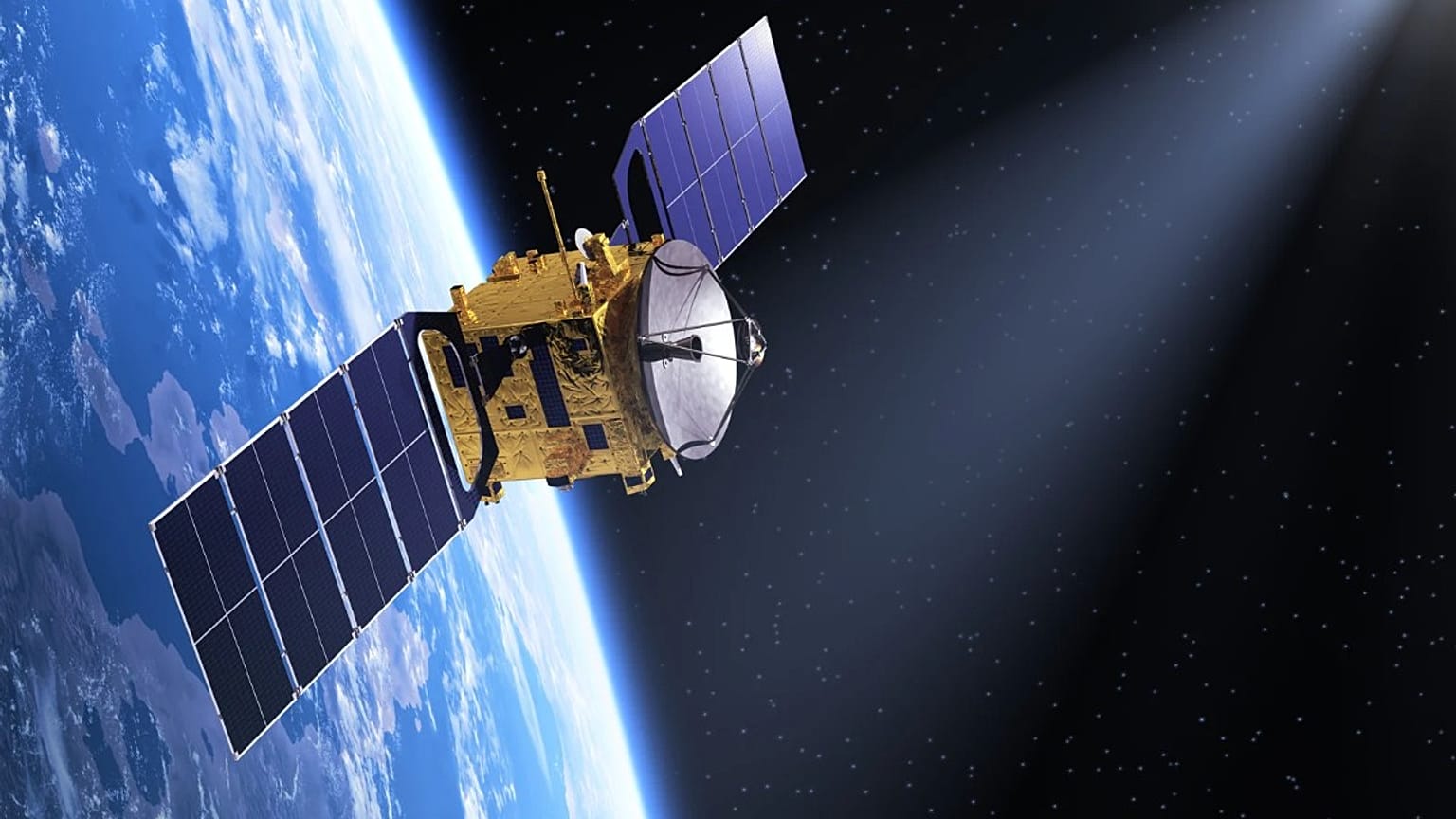
Starlink is going to gradually lower thousands of its satellites in 2026 due to space safety concerns, the company said.
 ADVERTISEMENT
ADVERTISEMENT
ADVERTISEMENT
Approximately 4,400 satellites that are currently orbiting at 550 kilometres above the Earth will be brought down to 480 kilometres throughout the year, according to Michael Nicholls, SpaceX’s vice-president of engineering.
Lowering the satellites means it reduces the time it takes for a satellite to decay or approach the end of its life by more than 80 percent, he continued. There are also fewer satellites that operate at an altitude of less than 500 kilometres from the Earth’s surface, which Nicholls said will reduce collision risk.
Nicholls said bringing the satellites to a lower altitude will also make it safer because it will alleviate dangers that come with “uncoordinated maneuvers and launches by other satellite operators.”
The move comes after a rare incident in December where SpaceX said one of its satellites created a “small” amount of debris and cut off communications with a space craft at 418 kilometres in altitude. SpaceX said it will be investigating the cause of the incident.
SpaceX collisions up 200 percent, expert says
Estimates from the European Space Agency (ESA) say there are 40,000 objects flying in Low Earth Orbit (LEO) at altitudes lower than 2,000 kilometres from the Earth’s surface.
Only 11,000 of those objects are active payloads or satellites, and over 9,300 of them are owned by SpaceX, according to December figures from astronomer Jonathan McDowell, who tracks them on his website.
The ESA also found that there are more than 1.2 million objects in space that are larger than 1 centimetre in size, which it says is large enough to cause “catastrophic damage.”
To avoid collisions, satellites automatically adjust their orbits when they are too close to another object. To do this, they use data from national tracking systems, like the United States Space Command.
Hugh Lewis, a professor of aeronautics at the University of Birmingham, found that SpaceX conducted 144,404 conjunction risk mitigation manoeuvres from December 2024 to May 2025, which he said is a 200 percent increase from the previous six months.
Lewis said the increase in collisions are due to a larger Starlink fleet, an increase in the number of objects orbiting the Earth.