

















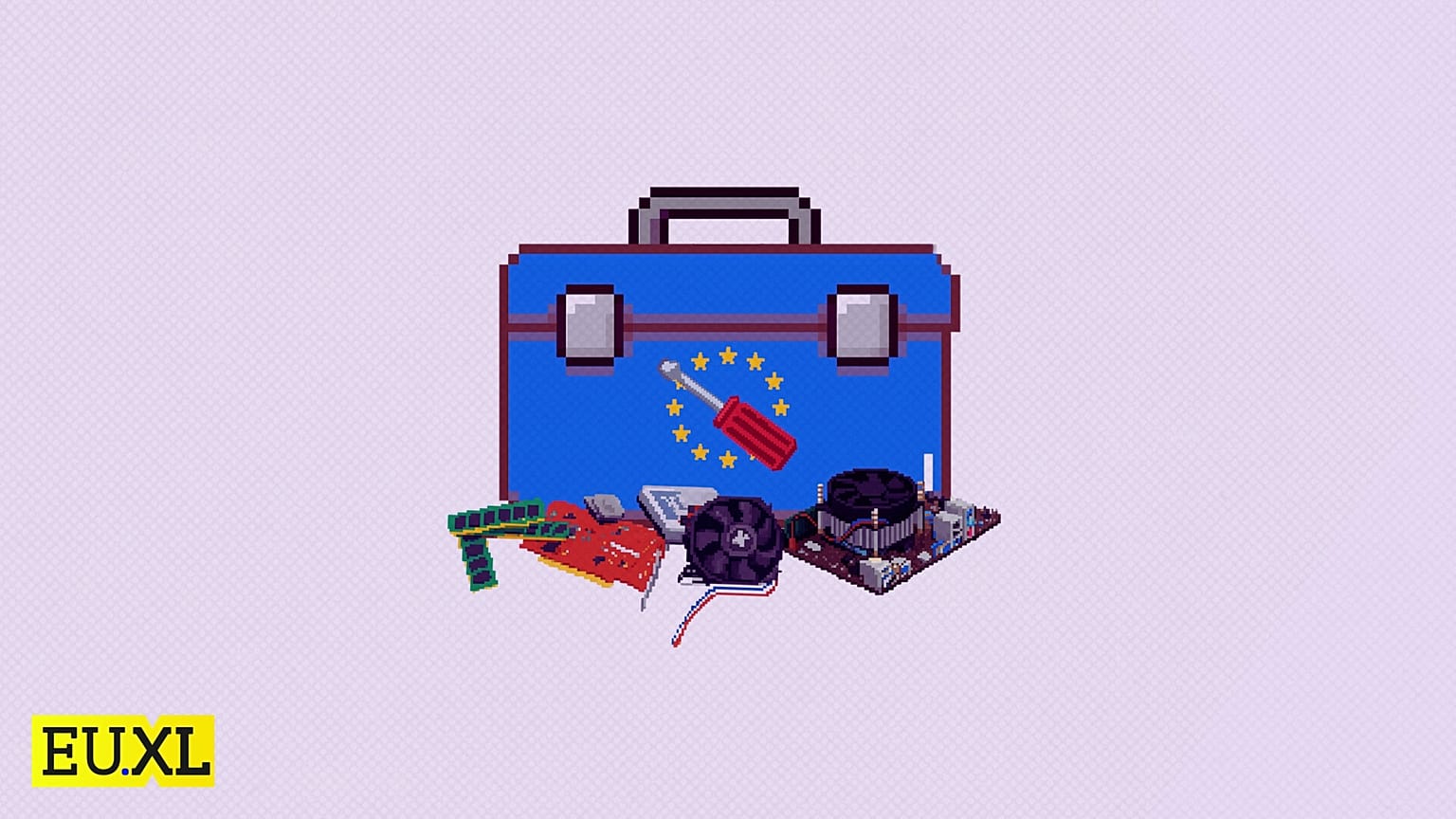













The EU’s Right to Repair Directive wants manufacturers to repair your electronics and reduce 35 million tons of waste from broken appliances. Watch the video!
Every year, Europeans throw out millions of tonnes of electronic waste, much of it repairable. The EU's Right to Repair Directive, passed this summer, applies across all 27 member states and pushes manufacturers to make repairs easier than replacement.
 ADVERTISEMENT
ADVERTISEMENT
ADVERTISEMENT
Under the new rules, choosing repair during a product's legal guarantee extends that protection by at least 12 months. Once the warranty expires, manufacturers must still repair certain goods on request, including washing machines, dishwashers, fridges, TVs, phones, tablets, vacuum cleaners, tumble dryers, servers, welding equipment, and e-bike and e-scooter batteries.
Companies can no longer refuse repairs simply because parts are costly, an independent shop has opened the device, or the owner attempted a DIY fix. They can only refuse if repair is truly impossible. Unhappy customers can complain to national authorities, which must enforce "effective, proportionate and dissuasive" penalties.
Repairs won't be free. Manufacturers can still charge reasonable prices for parts and labour. To help consumers compare deals, Brussels is introducing a standard repair information form and, from 2027, a free online repair platform.
Laptops, consoles and furniture aren't covered yet, but the list is expected to grow.