
















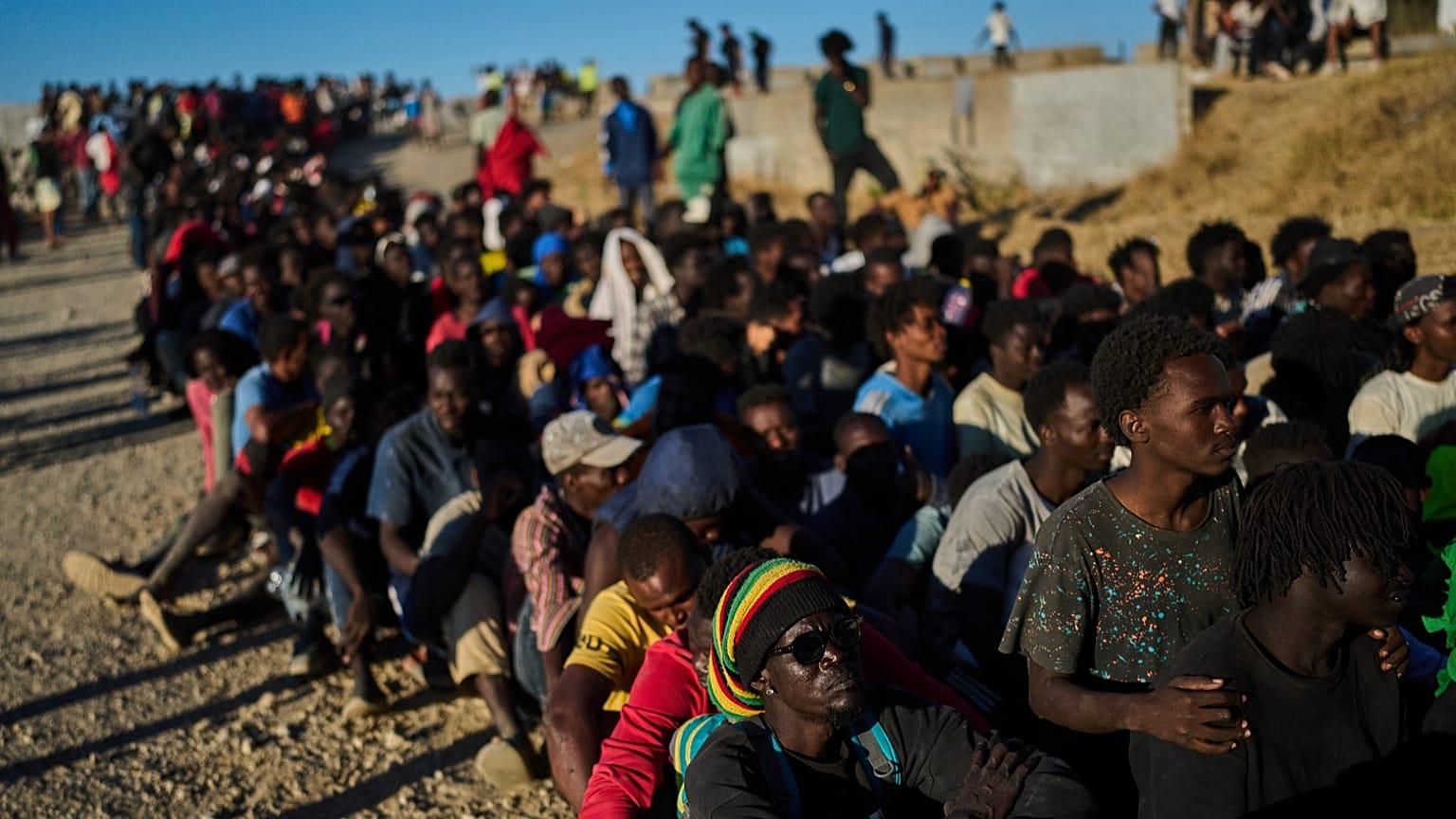













Some 72,000 migrants breached the border in an unprecedented and deadly rush between 30-31 July, with 70,000 having since returned to Morocco, according to Spanish government figures.
The leader of Ceuta demanded on Monday the detention and expulsion of the thousands of migrants wandering the Spanish north African territory's streets after last month's mass influx from Morocco.
 ADVERTISEMENT
ADVERTISEMENT
ADVERTISEMENT
Some 72,000 migrants breached the border in an unprecedented and deadly rush between 30-31 July, with 70,000 having since returned to Morocco, according to Spanish government figures.
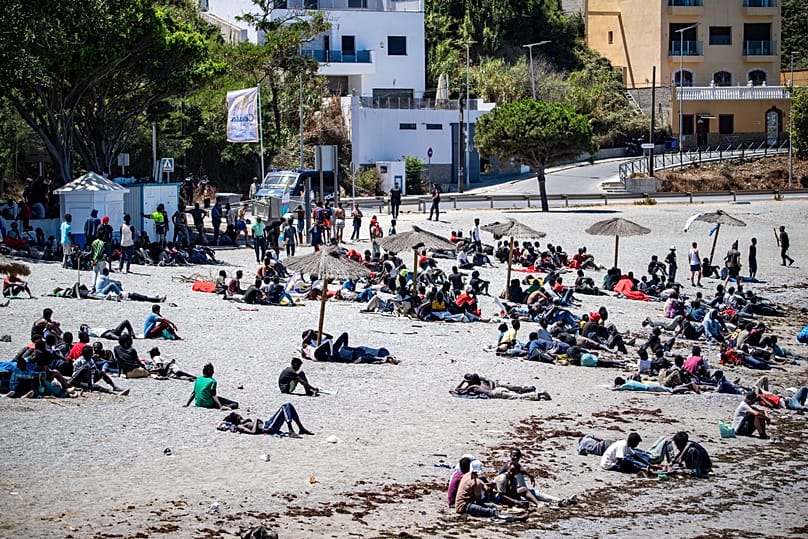
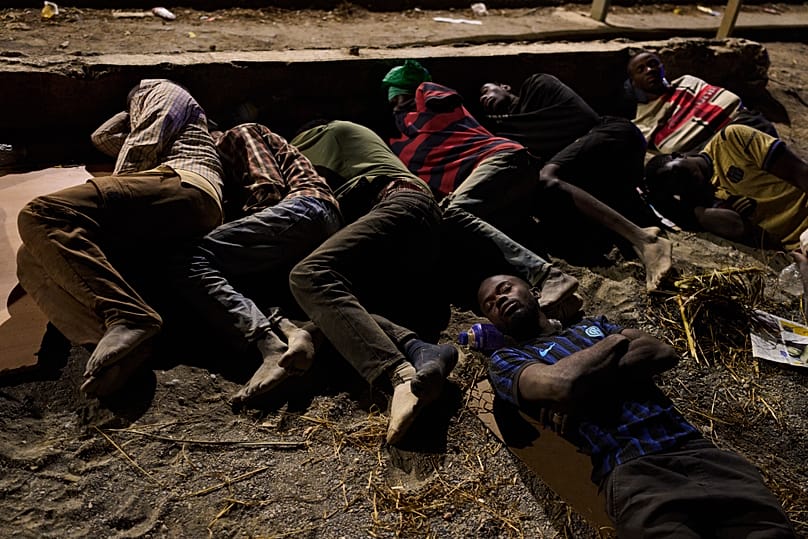
But the thousands who remain, including hundreds of unaccompanied children who cannot be summarily deported, struggle to access food, water, shelter and sanitation while the tiny enclave's resources are overwhelmed.
Their future has sparked a political battle between Spain's leftist central government and regions governed by the main conservative Popular Party (PP) and far-right Vox, which resist taking in unaccompanied children under existing legal provisions.
"A space that acts as an internment centre for foreigners must be set up, where these people can be held and remain confined," Ceuta's PP leader Juan Jesús Vivas told reporters.
He said the measure "must be achieved urgently" so that the migrants "are not in our streets and that expulsion proceedings can be handled with greater speed and ease."
Vivas called the situation "unsustainable", estimating that between 8,000-11,000 migrants were left in Ceuta, well above the government's figure of around 2,500.
Thousands of residents of the territory of 84,000 inhabitants gathered to protest on Sunday at the handling of a crisis that they say has left Ceuta insecure and abandoned.
The Spanish government minister responsible for relations with the regions, Ángel Víctor Torres, assured Ceuta's population that police and troop numbers had been ramped up, including 40% more Civil Guards.
Reuniting the children with their families was "the priority," he added, without mentioning the possibility of expulsions.
Ceuta on alert amid fear of new mass crossing on 15 August
Ceuta is still trying to return to normal and authorities are preparing for the possibility of another attempted mass crossing. For several days, a call to cross the border from Morocco on 15 August has been circulating on social media, authorities to step up preventive measures.
Concerns about a possible repeat of what happened on 30 July have also led to extraordinary measures to ensure staff availability. The Civil Guard has temporarily suspended the granting of new leave, holidays and licences for officers stationed in Ceuta and Melilla, although the measure does not affect those that had already been authorised.
In parallel, the Ceuta Garrison has cancelled leave for military personnel stationed in the autonomous city from 13 August until further notice, except in exceptional cases.
The measures reflect the level of alert that remains in place at the border less than two weeks after an unprecedented influx. The authorities are now trying to prevent a new episode of migratory pressure from once again pushing the autonomous city's services and resources to the limit.