






























The institutions hit were SC Signal, a Russian state scientific research institute and GNIII VM, the country's Scientific Research and Testing Institute for Military Medicine.
Britain unveiled sanctions against seven Russian scientists and two research labs on Monday said to have helped develop chemical weapons used in two attacks.
 ADVERTISEMENT
ADVERTISEMENT
ADVERTISEMENT
The sanctions target those involved in developing the Novichok nerve agent used in a 2018 attack on a former Russian spy hiding in England and a chemical believed to have fatally poisoned Russian opposition activist Alexei Navalny in Siberia in 2024.
"These new measures directly hit two leading scientific research centres and key individuals involved in the development and production of toxic chemicals," the UK foreign ministry said in a statement.
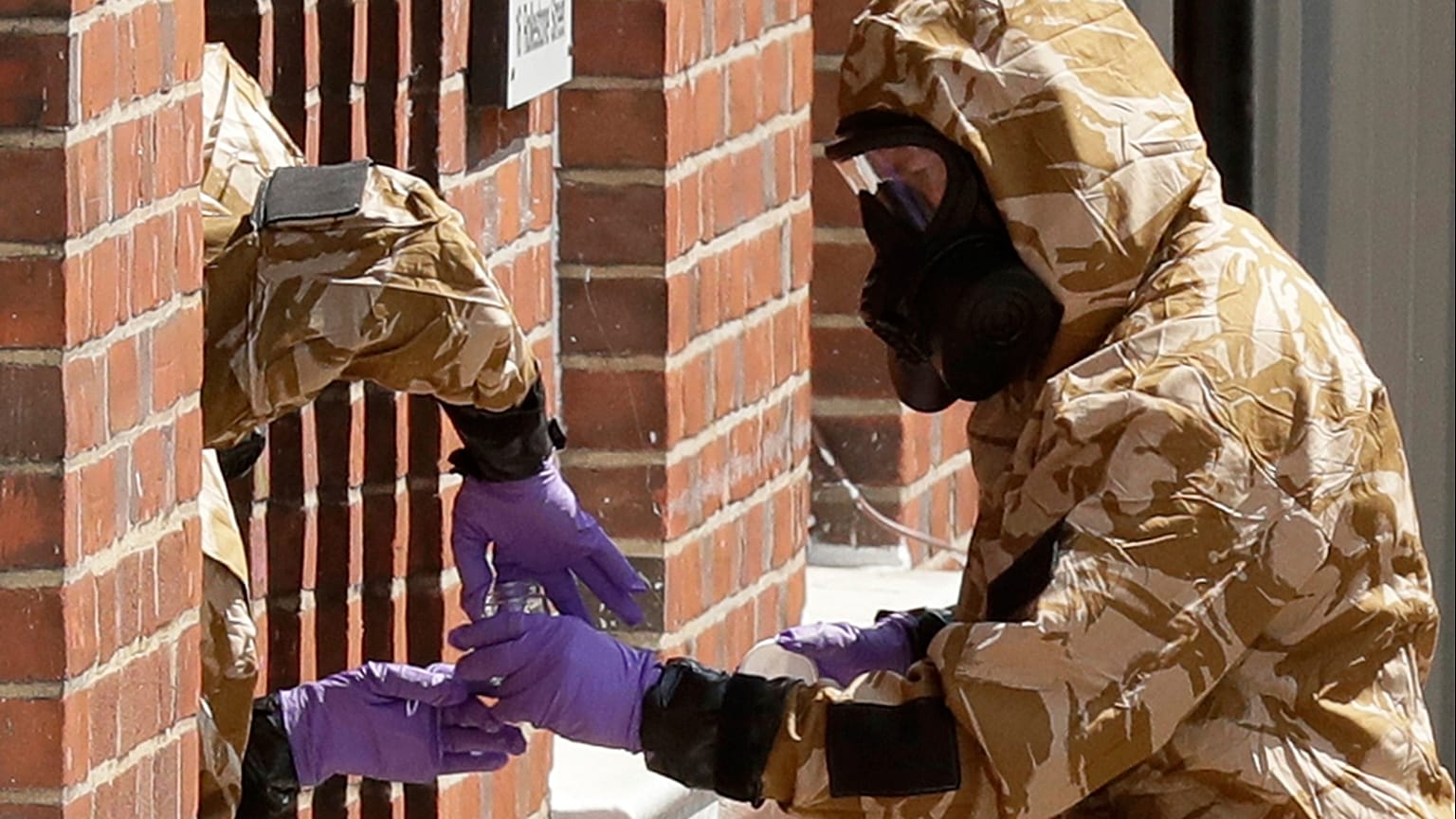
Russian agents have been accused of poisoning former Russian spy Sergei Skripal and his daughter in the southern city of Salisbury in March 2018 using the Soviet-developed nerve agent Novichok.
The Salisbury attack, the first offensive use of chemical weapons in Europe since World War II, caused an international outcry and prompted a mass expulsion of Russian diplomats by Western nations.
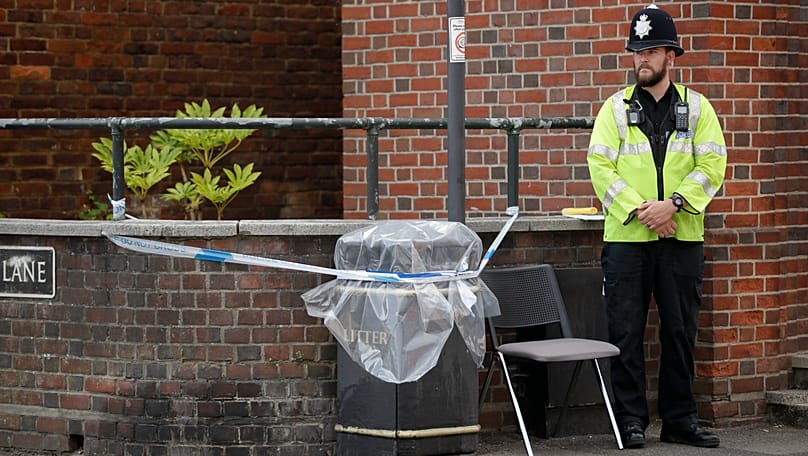
The Skripals survived but a British woman died later after her partner picked up a discarded perfume bottle believed to have been used to carry the Novichok.
Navalny, an anti-corruption campaigner who rallied hundreds of thousands to the streets in protest at the Russian leadership, was President Vladimir Putin's fiercest domestic opponent for years.
He died in an Arctic prison colony in February 2024 while serving a 19-year sentence.
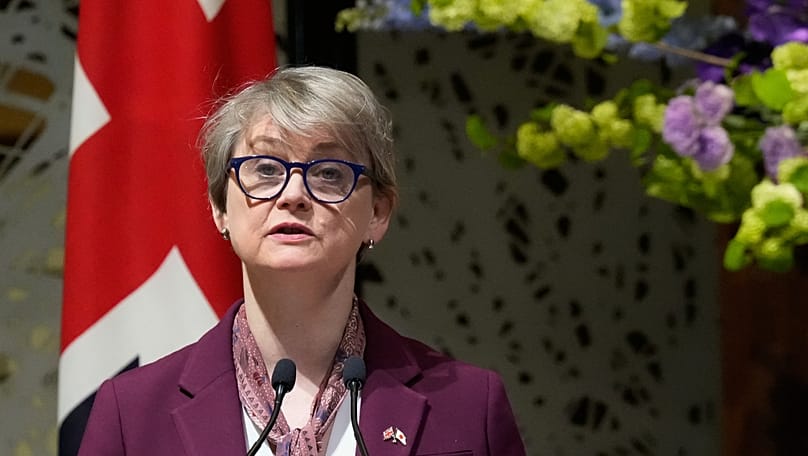
"Russia's repeated use of chemical weapons is a sickening violation of international law and a direct threat to global security," British Foreign Secretary Yvette Cooper said.
The institutions hit were SC Signal, a Russian state scientific research institute and GNIII VM, the country's Scientific Research and Testing Institute for Military Medicine.
The individuals who were sanctioned included directors and technical specialists at the two research institutes, according to the foreign ministry.
The announcement came ahead of this week's NATO summit in Ankara, which opens on Tuesday and is set to focus on the Ukraine war.
The Foreign Office said Britain has now sanctioned over 3,400 individuals and organisations amid Moscow's full-scale invasion of its neighbour.