




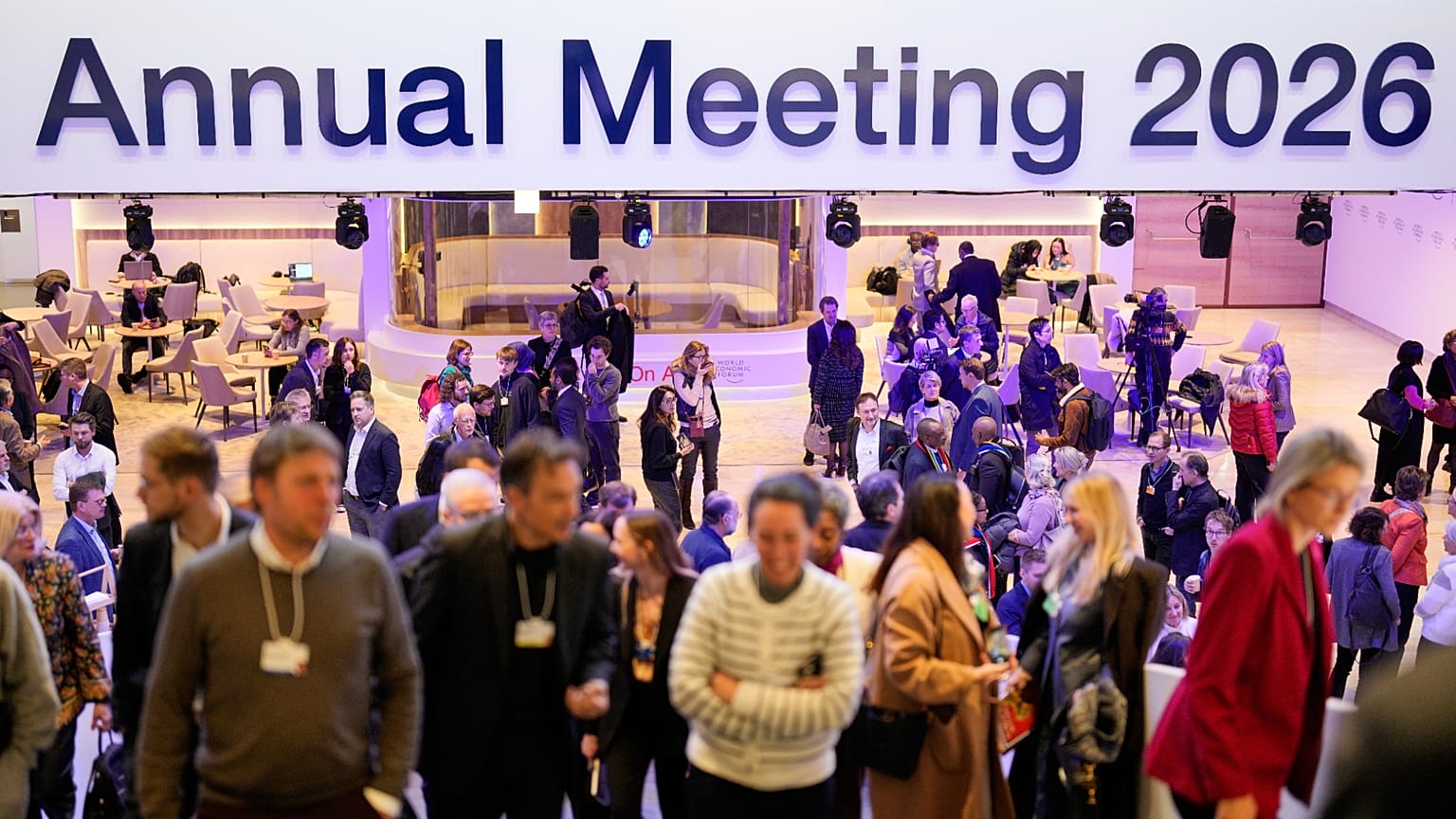














The World Economic Forum in Davos, which ended on Friday, once again revealed the profound international geopolitical transformations currently under way.
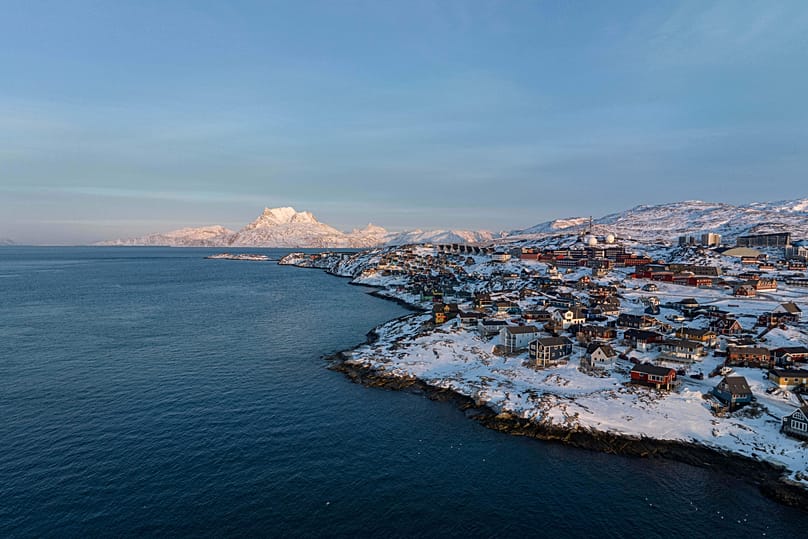
This year's World Economic Forum in Davos took place at a particularly tense time. Europe and the United States displayed their disagreements on Greenland in speech after speech, raising fears of a trade war between the historic partners.
 ADVERTISEMENT
ADVERTISEMENT
ADVERTISEMENT
Although Washington ultimately backtracked after an agreement with NATO Secretary General Mark Rutte on a "framework of future deal" over the Arctic territory, the scars run deep and the economic risks remain.
For Harvard University professor Gita Gopinath, tensions over Greenland and Donald Trump's threats of import duties against several European countries marked a political upheaval.
"It has been the most significant shift that we have seen in many years in terms of what's happening with the world order," she explained.
For the former First Deputy Managing Director of the International Monetary Fund, the world has not yet completely changed, but certainties are disappearing one after the other.
"It still remains the case that 80% of global trade is conducted by the rules of the World Trade Organisation, so it's not completely chaotic, but we are at a precipice," she warns.
Faced with geopolitical risks, the Harvard professor believes that the European response must involve strengthening the single market.
She believes that undertaking reforms across all 27 Member States and showing that they are capable of coming together would send a message to the international community.