


















In an audacious move, the EU has decided to indefinitely immobilise the Russian sovereign assets, pushing back against external pressure to release the funds before Moscow agrees to pay war reparations to Ukraine.
In the same week that Donald Trump dismissed European countries as "decaying" and European leaders as "weak", they came back with all guns blazing.
 ADVERTISEMENT
ADVERTISEMENT
ADVERTISEMENT
In a bold move, the European Union decided on Thursday to trigger an emergency clause in the treaties to indefinitely immobilise the assets of the Russian Central Bank, worth a whopping €210 billion across the bloc's territory.
As a result, the EU has shored up its mightiest leverage, pushed back against external interference and insulated the money from the Kremlin's war machine – all at once.
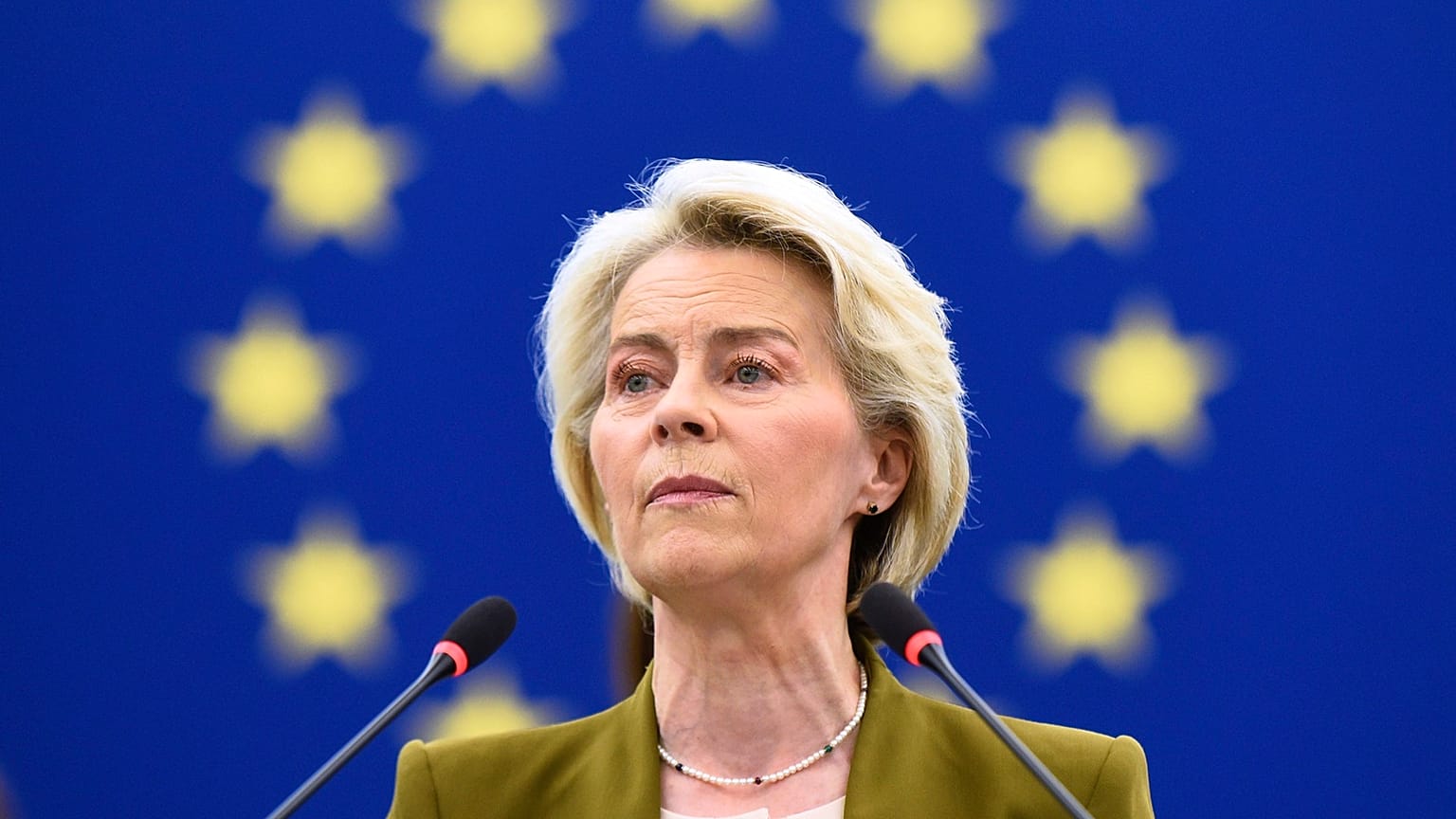
"We are sending a strong signal to Russia that as long as this brutal war of aggression continues, Russia's costs will continue to rise," said Ursula von der Leyen. "This is a powerful message to Ukraine: We want to make sure that our brave neighbour becomes even stronger on the battlefield and at the negotiating table."
The bulk of the assets, €185 billion, is held at Euroclear, a central securities depository in Brussels, with the remaining €25 billion spread across banks in five member states.
Until now, the funds have been paralysed under the traditional sanctions regime, which needs to be renewed every six months by a unanimous vote among member states.
Though all sanctions packages against Russia have so far been rolled over, the process has become increasingly fragile. Earlier this year, Hungary threatened not once but twice to veto the renewal, sending ambassadors into a race against the clock to prevent a total collapse of the restrictions painstakingly assembled since February 2022.
The experience was bruising and weighed heavily on everybody's minds when, months later, the European Commission pitched an ambitious idea to channel the Russian assets into a zero-interest reparations loan to Ukraine.
Among the plethora of questions surrounding the unprecedented loan was how to shield the €210-billion pot from undesirable vetoes and accidental releases. The chief concern was that were the money freed overnight, it could trigger a liquidity crisis for Euroclear and jolt the eurozone.
An ingenious tweak
At first, the Commission suggested activating Article 31.2 of the treaties to switch the renewal of sanctions from unanimity to a qualified majority. The article is based on "strategic interests and objectives", so officials believed they had an argument to make.
However, Article 31.2, sometimes known as the "passerelle clause", comes with a Kafkaesque twist: any country can invoke "vital and stated reasons of national policy" to thwart the switch. In other words, unanimity is needed to bypass unanimity.
The tweak, pitched in September, was quietly abandoned, and the Commission turned to another provision: Article 122, which allows member states to decide "in a spirit of solidarity" on measures "appropriate to the economic situation".
Article 122 has two major practical advantages: it bypasses the European Parliament and it requires just a qualified majority, allowing the bloc to react more quickly and prevent undesirable vetoes. Until this point, Article 122 had been used in the context of economic emergencies, most notably the COVID-19 pandemic and the 2022 energy crisis.
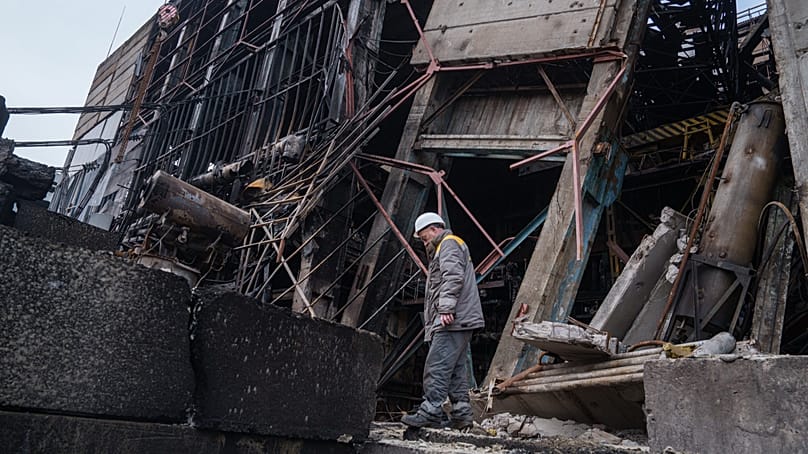
In March, the Commission expanded the interpretation of what constitutes an economic emergency when it invoked the provision to establish a €150 billion loan-for-loan defence programme, arguing the EU faced an "unprecedented security threat". (The decision unleashed Parliament's fury and eventually led to a lawsuit.)
Last month, the Commission built upon this reasoning to contend that Russia's war had also brought about a "serious economic impact" reflected in "supply disruptions, higher uncertainty, increased risk premia, lower investment and consumer spending", as well as countless hybrid attacks in the form of drone incursions, sabotage and disinformation.
Some legal experts questioned the argument, given that the full-scale invasion is nearing its fourth anniversary. Belgian Prime Minister Bart De Wever, the chief opponent of the reparations loan, also questioned the existence of any EU-wide emergency.
But Europe's evident economic woes, coupled with the vague wording of Article 122 and its limited jurisprudence, gave the Commission enough leeway to forge ahead.
"We are confident the justification of economic damages to trigger this provision of the treaty has been met above and beyond what is required,'' Valdis Dombrovskis, the European Commissioner for the Economy, said in response to the criticism.
Geopolitical stakes
Following the decision, which passed with broad support, member states will be strictly prohibited from returning any seized assets to the Russian Central Bank.
The €210 billion will be released only after Russia has ceased its war of aggression on Ukraine, agrees to pay reparations (which Moscow has already bluntly refused), and its actions no longer threaten the European economy as a whole.
A new qualified majority will be required to free the sovereign funds.
In practice, the arrangement sets an extremely high bar that is unlikely to be met any time soon, if ever. For all intents and purposes, the assets will be immobilised sine die.
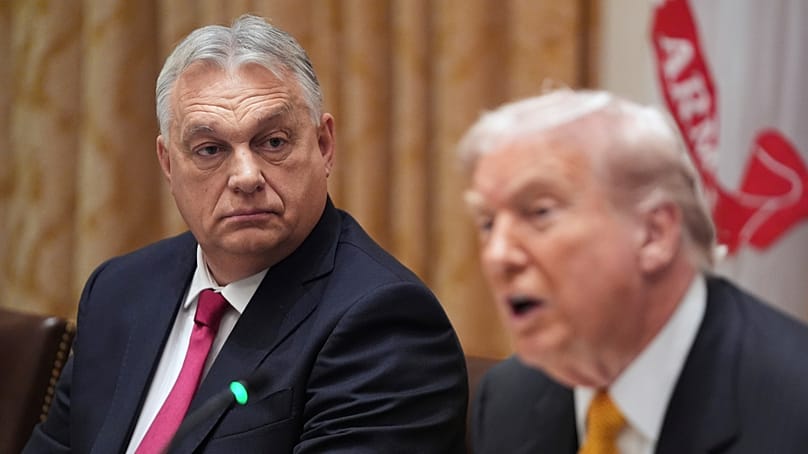
Hungary's Viktor Orbán, a well-known practitioner of veto power, was quick to denounce the use of Article 122 as "Brusselian dictatorship" and vowed his country would do "everything in its power to restore a lawful order", suggesting a lawsuit.
Officials and diplomats, by contrast, celebrated the news. For many, it offered a tempting preview of what EU foreign policy might look like without the burden of unanimity, which so often stalls collective action and makes the bloc a laggard on the global stage.
"It is good that we found a legal way to stop the six-month kerfuffle of whether we will be able to prolong the assets or not," said a senior diplomat, "because every time we're in a position to be blackmailed, depending on the whims of somebody in Budapest. Now we have a solid way to immobilise the assets."
The workaround allows the EU to resist any attempt to release the sovereign assets prematurely, as the US and Russia proposed doing in their leaked 28-point peace plan.
That plan featured a contentious idea to split the assets into two separate investment vehicles for the commercial benefit of both Washington and Moscow, a dramatic reversal of the accountability mission that Western allies have thus far embraced.
The 28-point stunned EU leaders and prompted a scramble to close ranks and publicly rebuke the White House for wanting to make decisions about Europe without Europe.
Initially, they hosted summits and released statements, without any tangible results. German Chancellor Friedrich Merz published an op-ed urging Europe to stand firm.
"If we are serious about this, we cannot leave it to non-European states to decide what happens to the financial resources of an aggressor state that have been lawfully frozen within the jurisdiction of our own rule-of-law and in our own currency," he wrote.
"The decisions we make now will shape Europe's future."
Now, by locking in the Russian assets, Europeans are ready to play their cards.