

















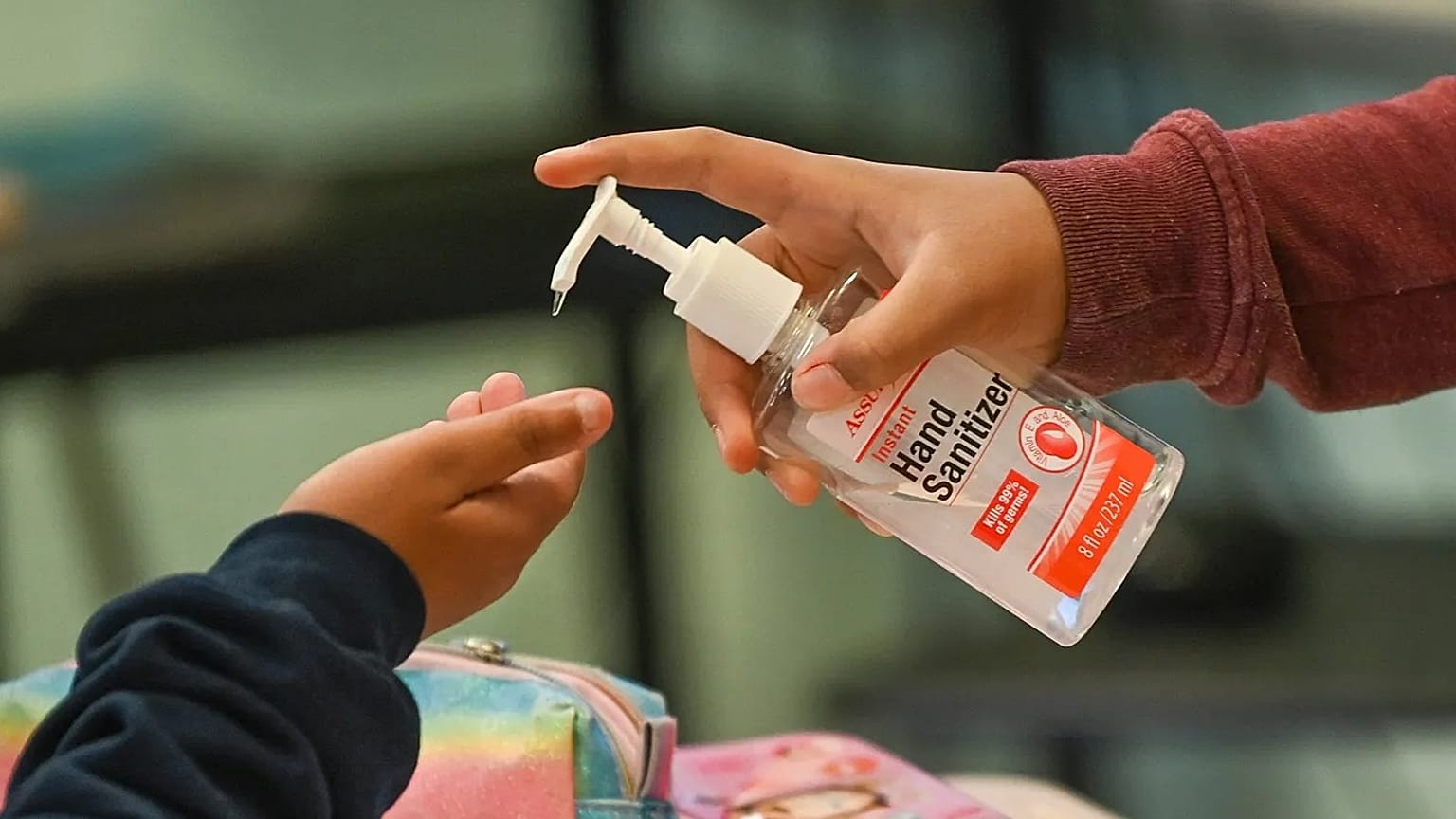













The EU Chemicals Agency was due to table an opinion on the safety of ethanol before Christmas, but lack of consensus within scientific groups saw the decision postponed. Lawmakers are seeking evidence-based conclusions instead of rushed decisions.
The European Union is considering whether to classify ethanol, a disinfectant widely used in hospitals, as a dangerous product, with the decision currently on hold due to a lack of consensus among scientific groups at the EU's chemical agency.
 ADVERTISEMENT
ADVERTISEMENT
ADVERTISEMENT
The decision was discussed today between European lawmakers and the European Commission, but the debate has been overshadowed by the decision's potential implications for healthcare facilities.
Klaus Berend, director of food safety at the Commission’s department for health and food safety, told lawmakers in the European Parliament that unless there are proven risks that come with the use of ethanol in disinfectants, the Commission can still approve it.
European lawmakers Christine Singer and Andreas Glück have asked their peers in the European Parliament to ensure that the legislative file is "debated at the appropriate political level".
“The potential classification of ethanol (...) is a far-reaching political decision that directly affects public health systems, supply security, industry, home economics and entire regional value chains across Europe," Singer told Euronews.
"Before moving towards restrictions or de facto bans, the Commission must finally put all social, economic and structural consequences on the table. The regulation must protect health, but it must also be proportionate, workable in practice and politically responsible,” she added.
A decision delayed
Ethanol is a clear liquid that can be burned as fuel or used as a disinfectant. The EU is only examining its use as part of biocidal products, such as disinfectants and pest control products.
Under the EU27's biocidal products law, all active substances used in such products must be approved before being authorised.
In a statement, the European Chemicals Agency (ECHA) said it was due to publish its opinion before Christmas but decided to postpone it to next year after independent experts from EU member states insisted.
Scientific experts have been discussing ethanol's hazard properties in a committee to assess the safety and effectiveness of biocidal products. The committee is also evaluating alternatives.
On September 25, working groups within the committee concluded that ethanol has the potential to cause cancer and harm the human reproductive system. Still, no consensus could be reached at a plenary meeting.
"Due to the lack of consensus and the need to refine the assessment of alternatives, the Committee postponed the opinion-making," reads ECHA's statement.
"In addition to the hazard properties, the committee will evaluate therisks posed by specific uses, for example, the use of hand sanitisers, taking into consideration the specific type of exposure, like skin contact," ECHA's spokesperson told Euronews.
Even if ethanol is ultimately found to be carcinogenic and reprotoxic, ECHA said, it may still be approved. Products containing ethanol may still be brought to market as long as their use is considered safe and alternatives are considered, the agency added, echoing the Commission's statement.
ECHA's scientific experts will resume discussions on ethanol's classification in February 2026. An updated analysis of alternatives is expected in May, after which the Commission will have the final say.