





























One dose of the active compound in ayahuasca significantly improves depressive symptoms in early stages of a clinical trial, according to a new study.
Dimethyltryptamine (DMT), a potent natural psychedelic and a primary psychoactive component of ayahuasca, could work as an antidepressant, a study published in Nature has found.
 ADVERTISEMENT
ADVERTISEMENT
ADVERTISEMENT
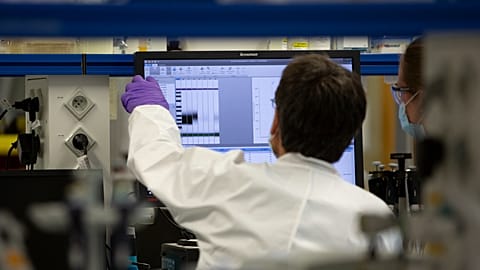
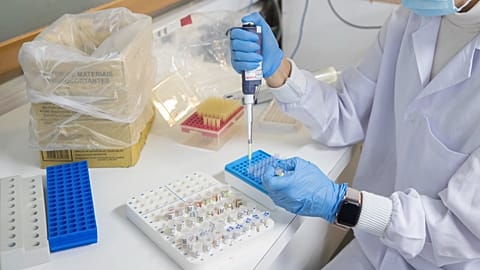
Researchers at Imperial College London conducted a trial that demonstrated DMT’s potential to ease symptoms of depression.
Intravenous DMT has a short half-life – the time it takes for the concentration of a drug in your bloodstream to drop by half after administration – of around five minutes due to rapid metabolism.
This allows for shorter therapeutic sessions, potentially improving patient convenience and reducing costs, the research noted.
The trial is a phase 2a clinical trial, meaning a pilot study designed to provide preliminary evidence of a drug’s efficacy and to determine the most effective dose for future trials.
The number of participants is typically small, between 30 and 50, to minimise exposure to potentially ineffective treatment and to focus on a targeted patient group.
The research team in London included 34 participants who had lived with depression for an average of 10.5 years. They were randomised so that 17 received the placebo, and 17 received the active substance.
Participants received a single 21.5 milligram dose of DMT or placebo infused over 10 minutes, alongside psychotherapeutic support.
After a two-week follow-up period, those treated with DMT showed a significantly greater reduction in depressive symptoms than those who received the placebo. The effects persisted up to three months after the start of the trial.
The researchers found that DMT was well-tolerated, with no serious adverse events. Most side effects were mild or moderate, the most common being pain where the patients received the injection.
Independent experts cautioned that, while the findings are promising, further research is needed to assess the treatment’s efficacy.
“In terms of safety concerns, there may be a risk of negative experiences during the psychedelic experience that could be frightening or traumatising,” said James Stone, professor of psychiatry, Brighton and Sussex Medical School.
He added that certain groups of people may be more susceptible to these types of effects, and further studies are required to identify how often they occur.
Need for new depression drugs?
Approximately 332 million people in the world have depression, according to the World Health Organization. In Europe, more than 25 million people are estimated to live with depressive disorders.
The most common treatments include antidepressant medications and psychotherapy. However, the study authors noted that many patients experience insufficient improvement or unacceptable side effects from selective serotonin reuptake inhibitors (SSRIs), the most commonly prescribed class of antidepressants.
Previous research has shown that antidepressants achieve response rates of between 40 and 60 percent. Around 20 to 30 percent of patients with major depressive disorder (MDD) develop treatment-resistant depression, meaning they don’t respond to at least two different antidepressant medications.
The study authors argued that there is an urgent need for innovative and more effective treatments and suggested that psychedelics have emerged as a promising candidate.
The future of psychedelic treatments
No psychedelic treatments like DMT and lysergic acid diethylamide (LSD) currently hold full marketing authorisation from the European Medicines Agency for clinical use in Europe.
In most countries, psychedelic treatments are limited to research trials, compassionate use programmes, which allow patients with serious or life-threatening conditions to access investigational drugs outside clinical trials when no approved treatments exist, and they can't join a trial.
The Czech Republic became the first European Union country to legalise medical psilocybin – commonly known as “magic mushrooms” – for psychotherapy from 1 January 2026.
Under the new framework, the treatment is offered to people resistant to traditional depression treatments, suffering from cancer-related, severe non-psychotic, or life-threatening mental deterioration.
It can only be administered by certified psychiatrists and clinical psychotherapists with specialised psychedelic training, and in approved facilities.