




























As cuts in international aid continue worldwide, a new study projects 22.6 million people will die by 2030, including 5.4 million children under the age of five.
Around 22.6 million people will die by 2030 across 93 low- and middle-income countries if current cuts in international aid continue, including 5.4 million children under the age of five, a new study warns.
 ADVERTISEMENT
ADVERTISEMENT
ADVERTISEMENT
As the world’s largest donors continue to cut billions of dollars from official development assistance (ODA), a new study by the Barcelona Institute for Global Health (ISGlobal) funded by the Rockefeller Foundation, estimates an additional 22.6 million deaths by 2030 if the current trend continues.
The analysis focuses on 93 countries affected by the decline in funding that together are home to 6.3 billion people – 75 percent of the world’s population.
To quantify the consequences, the researchers used two decades of data, from 2002 to 2021, to model outcomes under different funding scenarios.
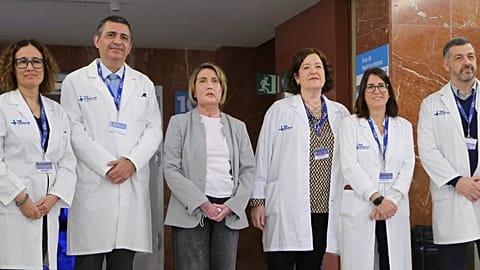
“We don’t want to accept this as the new normal, we don’t want to accept this situation, this constant reduction”, Davide Rasella, from ISGlobal and coordinator of the study, told Euronews Health.
In 2023, total ODA reached $250,3 billion (€212.3 billion) – an all-time peak – with France, Germany, Japan, the United Kingdom, and the United States together providing roughly 70 percent of the total.
All of these major donors, except for Japan, reduced their ODA contribution in 2024 for the first time in three decades. Overall international aid fell for the first time in six years.
The United States was the first country to dismantle its agency for international development (USAID) in 2025. However, cuts from other countries have followed suit.
The Global Fund to Fight AIDS, Tuberculosis, and Malaria, which every two years organises a replenishment to collect funds, saw a steep fall in its funding, from US$15.7 billion in 2022 to $11.34 billion in 2025. Some donors, such as the European Union, have not yet specified the amount they will pledge.
“People are going to die. Unless we restore the level of funding, really, millions of people are going to die. There's no doubt of it,” Rasella added.
He said that the next challenge is to see how to allocate the money that remains.
The study, published in The Lancet, showed that between 2002 and 2021, official development assistance programs helped reduce child mortality by 39 percent, prevent HIV/AIDS deaths by 70 percent, and reduce deaths by malaria and nutritional deficiencies by 56 percent.
Two scenarios: bad or worse
The research team projected two different scenarios to analyse how the funding cuts trends could affect global health and development by 2030.
In the mild defunding scenario, accounting for a 10.6 percent reduction (the average cuts from the last two years), these cuts could result in 9.4 million preventable deaths, including 2.5 million children younger than five years.
In the second scenario, with severe defunding, where the cuts continue to worsen, they could cause more than 22.6 million additional deaths, including 5.4 million among children under five.
“At least three out of every four people on the planet live in countries where two decades of development gains could be reversed, where progress against diseases disappears, and where preventable loss of life could happen,” the researchers said.
The authors stress that the projections are not precise forecasts of mortality in 2030 but relative comparisons between funding trajectories, designed to isolate the impact of changes in ODA.
Beyond saving lives
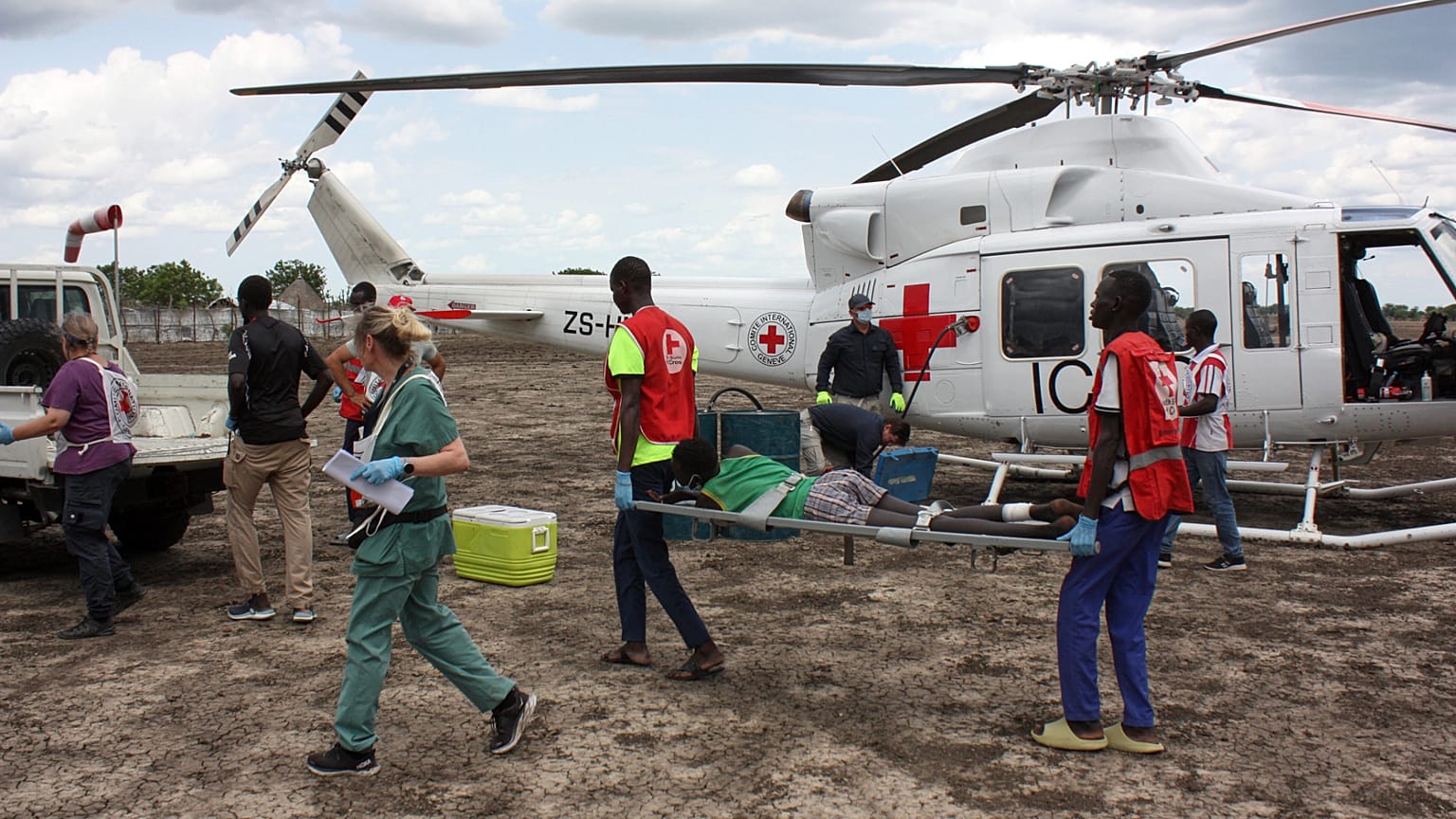
Funding cuts don’t only affect healthcare delivery; they restrict the number of doctors working on the ground and the exchange of information among countries.
The researchers argue that many benefits of ODA flow through less visible channels. Many aspects need to be considered, including epidemiological surveillance and preparedness for epidemics and climate-related shocks.
“The study shows that part of the reason we are doing this [international aid] is because it saves lives at a scale that is incredible for the amount being spent”, Eric Pelofsky, vice president for global economic recovery at The Rockefeller Foundation, told Euronews Health.
But, he added, investing in development brings stability and prosperity that the whole world can benefit from.
According to Pelofsky, a big part of the problem is the way foreign aid is framed in domestic politics, often as a trade-off between spending at home and spending on issues that are portrayed as distant from national interest.
“The fact of the matter is that spending money overseas often is designed to either protect people at home or it's designed to promote a world economy or a world stability that is valuable to the people at home,” he added.