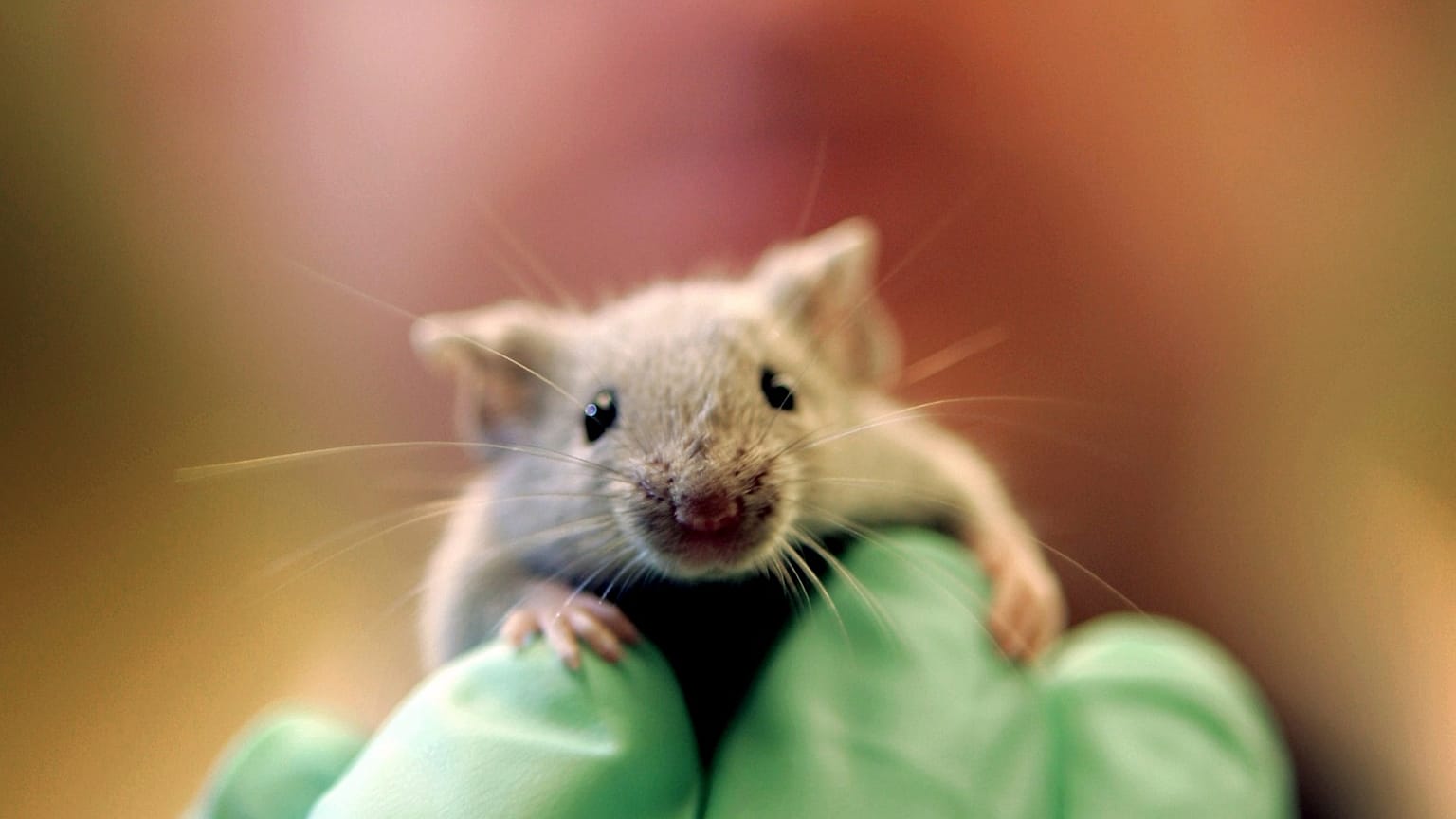













A new study by researchers in Spain found that triple therapy eliminates pancreatic tumours in mice
Pancreatic cancer is one of the most aggressive tumours with the worst prognosis, partly because of the rapid emergence of resistance to treatment. But a new study from the Spanish National Cancer Research Centre (CNIO) reveals that it is possible to eliminate pancreatic tumours in mice and prevent them from recurring using triple combination therapy.
 ADVERTISEMENT
ADVERTISEMENT
ADVERTISEMENT
"These studies open a way to design new combination therapies that can improve the survival of patients with pancreatic ductal adenocarcinoma," the authors said in a statement. "These results set the direction for the development of new clinical trials, it added.
The results, published in the scientific journal 'PNAS', show that simultaneously targeting three key points of the KRAS oncogene molecular pathway achieves long-lasting tumour regression. In Spain, more than 10,300 cases of this type of cancer are diagnosed each year, with a five-year survival rate of less than 10 percent.
The key to the breakthrough lies in avoiding the resistance that appears when the oncogene is blocked at a single point. The CNIO team combined an experimental KRAS inhibitor, a drug already approved for lung cancer, with a protein degrader, resulting in tumours disappearing without significant side effects in three different animal models.
Although the result could be a milestone in the fight against cancer, the study authors issued caution.
"We are not yet in a position to carry out clinical trials with triple therapy. The authors themselves warn that optimising this combination for patients will be a complex process, although they are confident that the finding will set the course for future trials," they said.