

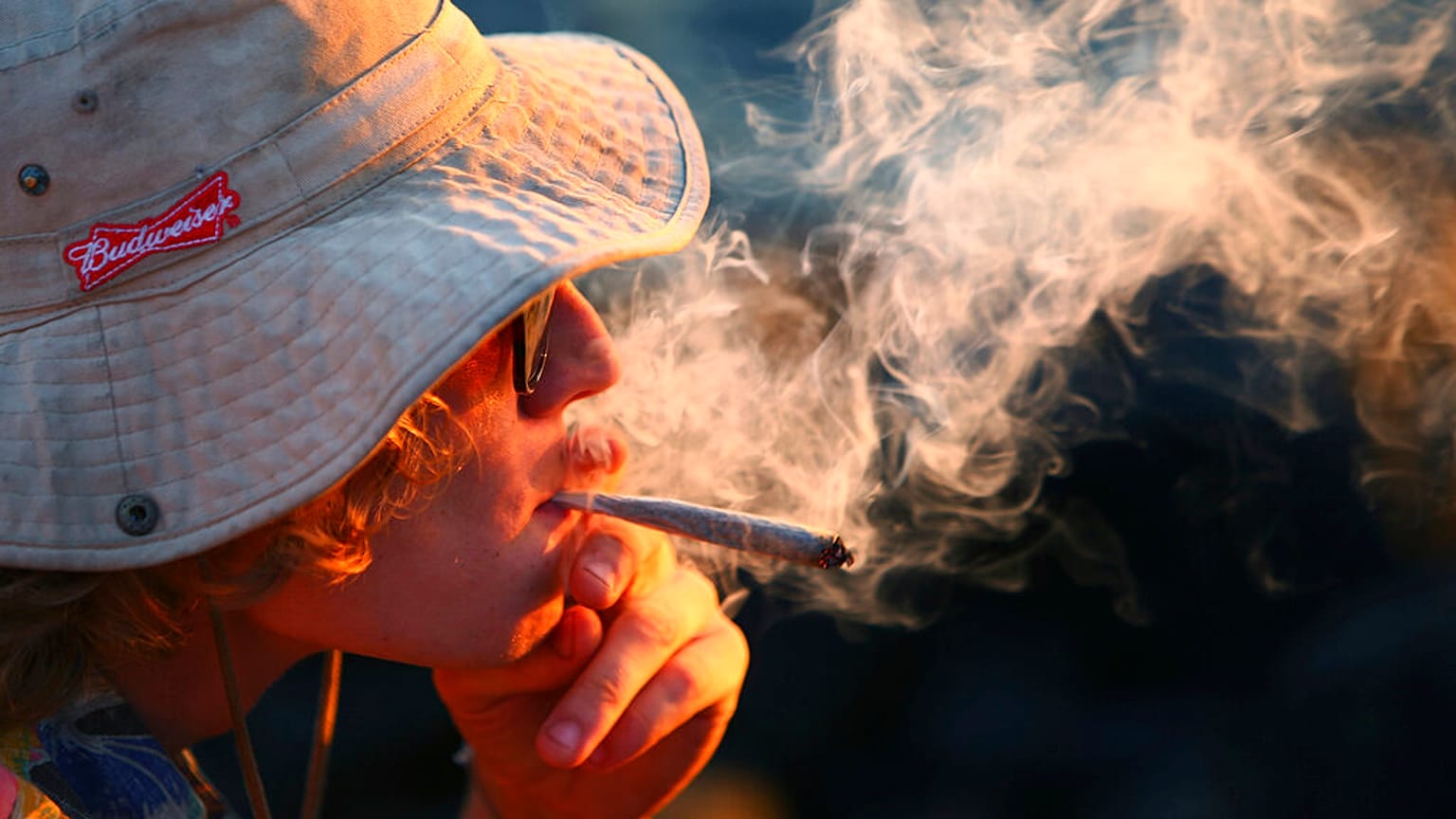













Researchers in the United Kingdom have proposed new limits for ‘safer’ cannabis use amid growing use and availability in the market.
With growing numbers of cannabis use across Europe, researchers in the United Kingdom have proposed a weekly threshold for cannabis consumption – similar to the alcohol intake guidelines – in a bid to promote safer use.
 ADVERTISEMENT
ADVERTISEMENT
ADVERTISEMENT
The study by the University of Bath, which was published in the journal Addiction, bases its recommendations on tetrahydrocannabinol (THC) content – the compound responsible for cannabis's psychoactive effects – reflecting both the potency of the substance and the amount consumed.
“The ultimate goal of our new guidelines is to reduce harm. The only truly safe level of cannabis use is no use,” said Rachel Lees Thorne, lead researcher of the study at the Department of Psychology at Bath.
However, for those who don’t want to stop or are unable to, we still want to make it easier for them to lower their risk of harm,” she added.
The researchers advise that adults should not exceed eight THC units per week – equivalent to about 40 mg of THC or one-third of a gram of herbal cannabis.
The recommendations suggest that people use cannabis to focus on THC units rather than only on the frequency of use. Each THC unit corresponds to five milligrams.
“Safer use thresholds based on standard THC units could help people better understand their level of use and make informed choices about their health,” said Tom Freeman, senior researcher on the Bath team who worked on the paper.
He added that public health bodies and healthcare settings could use these thresholds to communicate risks, and for tracking reductions in use.
To establish these limits, the team looked at data from separate research at University College London, the CannTeen study, which followed 150 cannabis users over a year to measure their weekly THC intake and assess the prevalence of cannabis use disorder (CUD).
CUD occurs when cannabis use causes significant distress or problems in daily life. It is estimated to affect 22 percent of people who regularly use cannabis, causing cravings and addiction.
The Bath research team found that for adults, the risk of CUD increases above eight THC units per week – with severe cases increasing above 13 THC units per week.
Cannabis use can cause or worsen a range of physical and mental health problems, including chronic respiratory symptoms, cannabis dependence, and psychotic symptoms.
The risks are higher with early onset use, high-potency products and more regular and long-term patterns of use.
The most consumed illicit drug in Europe
“As cannabis becomes increasingly available in legal markets around the world it is more important than ever to help consumers make informed choices about their use,” said Freeman.
Cannabis is the most widely consumed illicit drug in Europe, with national surveys showing that an estimated 8.4 percent of European adults – 24 million people aged 15 to 64 – have used cannabis in the last year, according to the European Union Drugs Agency (EUDA).
The agency’s latest estimates show that around 4.3 million Europeans are estimated to be daily or almost daily cannabis consumers.
Current cannabis laws in Europe
Across Europe, cannabis is heavily regulated and commercial recreational sales are largely prohibited. However, some countries have decriminalised personal use or are introducing partial legislation – medical use is allowed, under different conditions, in most European countries.
Malta was the first country in the European Union (EU) to legalise adult use in 2021, allowing possession of small amounts, home cultivation and non-profit cannabis associations for distribution.
Luxembourg has since allowed limited home growing and use in private, and Germany permits limited home growing, possession and use of small amounts, and non-profit cannabis growing clubs.
The Netherlands, and Switzerland are running or preparing pilot programmes for sales in controlled settings and for regulated products such as cannabis flowers and resin, oils, and edibles.