
















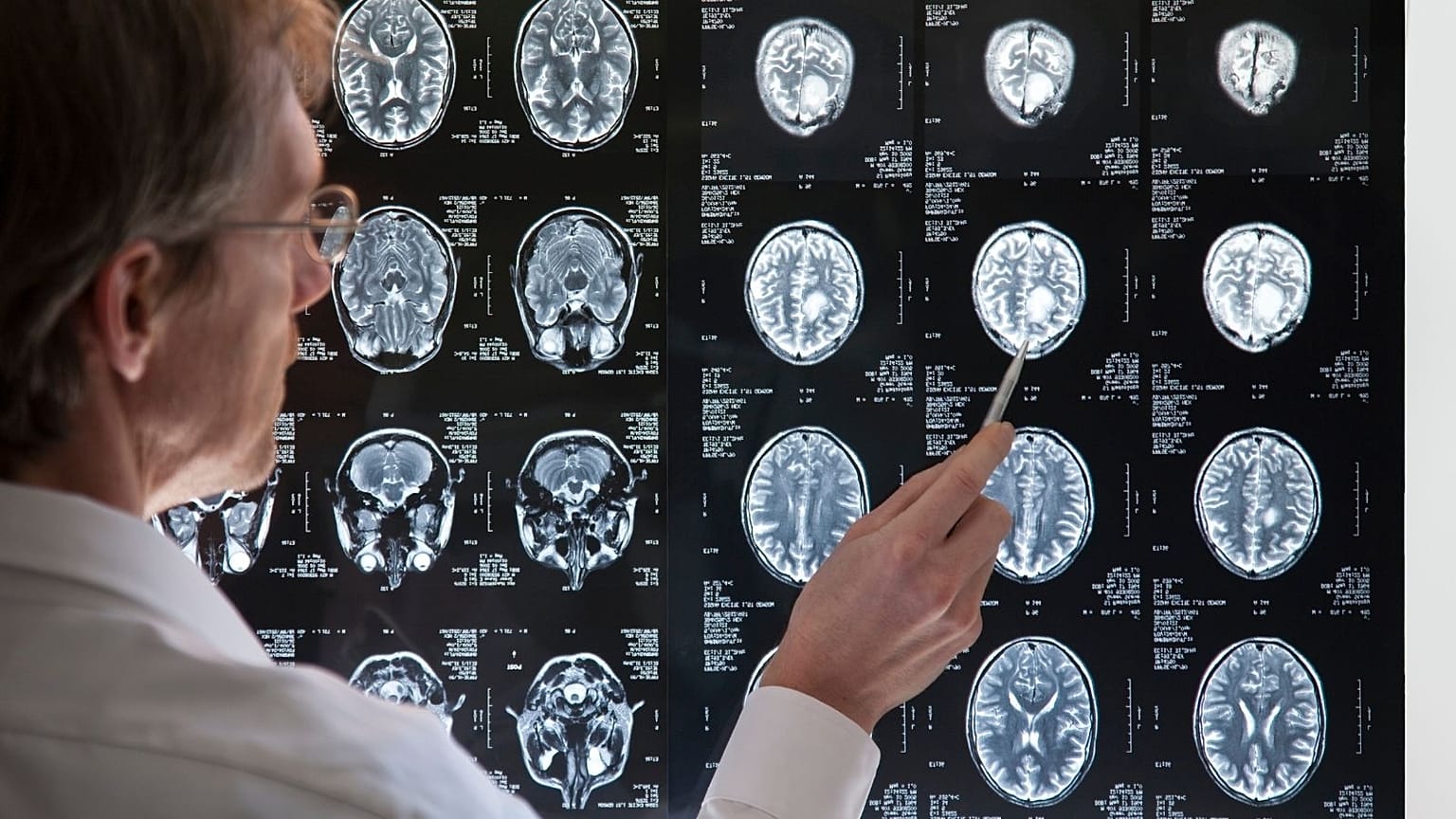













Our brains do not all work at the same speed – new research suggests that part of the difference comes down to how well we juggle fast and slow information.
Why are some people better at switching tasks than others?
 ADVERTISEMENT
ADVERTISEMENT
ADVERTISEMENT
A new study by researchers at Rutgers University showed that the brain’s wiring and timing together help explain why some people switch between mental tasks more efficiently, and why we all have different cognitive abilities.
Our brains process information at different speeds depending on what kind of data they are dealing with, and which parts of the brain are involved.
Not all regions of the brain are in charge of the same functions: different areas, and even different layers in those areas, have different “neural timescales,” which measure how neural circuits integrate information over time.
Some respond and change very quickly, supporting split-second reactions, while others integrate information more slowly, helping with more reflective processes such as understanding context and meaning.
The study, published in Nature Communications, found that the way these timescales are distributed across the cortex plays a crucial role in how efficiently the brain switches between large-scale activity patterns linked to behaviour – for example, moving from a resting state to focusing on a challenging task.
This pattern varies from person to person, suggesting that these timing differences are part of what makes some brains faster, or more flexible, than others.
“We found that differences in how the brain processes information at different speeds help explain why people vary in their cognitive abilities,” said Linden Parkes, senior author of the study and professor of psychiatry at Rutgers’ medical school.
“People whose brain wiring is better matched to the way different regions handle fast and slow information tend to show higher cognitive capacity,” he added.
The Rutgers team looked at how the brain receives signals and how it uses its white matter to integrate them, allowing information to be shared across regions and combined into coherent behaviour.
To do this, the researchers analysed brain imaging data from 960 people, mapped each person’s brain connectivity, and used mathematical models to trace how information flows through the brain over time.
In the model, each brain region worked at its own preferred speed of responding, with researchers adjusting these speeds until the simulated brain activity looked like real brain-scan data. Brains whose timings were better tuned, needed only a small push to switch between activities, meaning it required less effort for the real brains to change as well.
The study found that these patterns are tied to genetic, molecular, and cellular features of each brain region.
When the team compared these timing maps with people’s performance on standard thinking tests, they saw that individuals whose brains switched states more efficiently in the model tended to perform better, pointing to a link between how easily the brain switches states and overall thinking ability.
The researchers will now study conditions such as schizophrenia, bipolar disorder, and depression to examine how disruptions in brain connectivity and neural timescales may alter information processing.