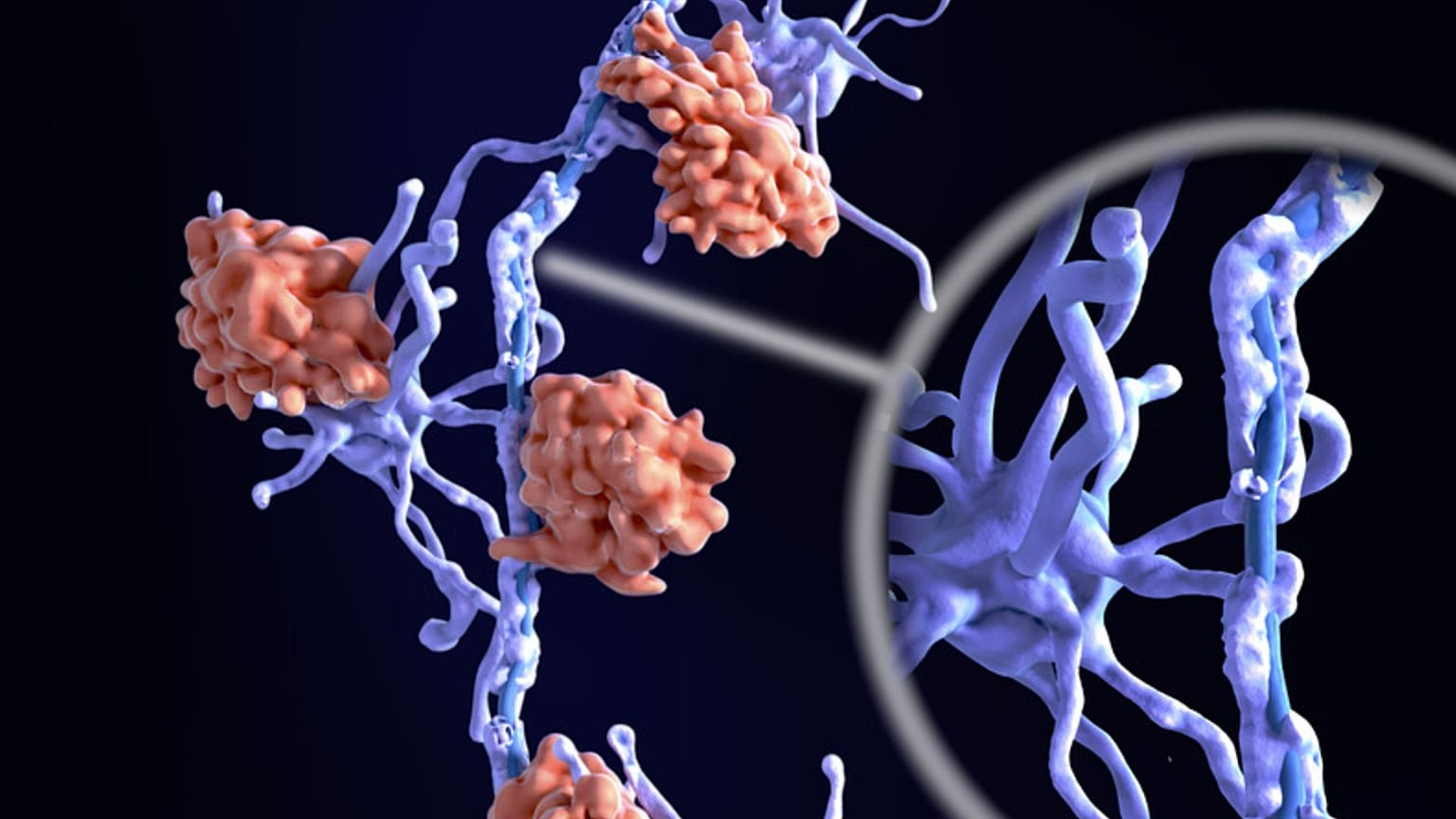













By analysing MRI scans and a simple blood test from hundreds of patients, researchers identified patterns that reveal how aggressively the disease damages the brain.
Scientists have identified two previously unknown biological subtypes of multiple sclerosis (MS) using artificial intelligence, a discovery that could help doctors tailor treatments more precisely to individual patients.
 ADVERTISEMENT
ADVERTISEMENT
ADVERTISEMENT
MS affects millions of people worldwide, but treatment options are still largely based on symptoms rather than the underlying biology of the disease. This means some patients may receive therapies that are less effective for their specific form of MS.
Now, researchers say they have uncovered two distinct biological patterns of the condition using a combination of AI analysis, MRI scans and a simple blood test.
How the study was carried out
The study, led by University College London (UCL) and Queen Square Analytics, analysed data from around 600 people with MS. Scientists focused on levels of a blood protein called serum neurofilament light chain (sNfL), which is released when nerve cells are damaged and can indicate how active the disease is.
Using a machine learning model known as SuStaIn, researchers combined sNfL data with brain imaging scans. Their findings, published in the medical journal Brain, revealed two subtypes of MS: "early sNfL" and "late sNfL".
In people with early sNfL MS, high levels of the protein appeared early in the disease, alongside damage to the corpus callosum - a structure that connects the two halves of the brain. These patients also developed brain lesions more quickly, suggesting a more aggressive and active form of MS.
Those with late sNfL MS showed brain shrinkage in regions such as the limbic cortex and deep grey matter before sNfL levels increased. This pattern appears to be slower-moving, with more visible nerve damage occurring later on.
Why the discovery could change how MS is diagnosed and treated
Researchers say identifying these biological patterns could help doctors predict how the disease is likely to progress and choose treatments accordingly.
"MS is not one disease and current subtypes fail to describe the underlying tissue changes, which we need to know to treat it," said Dr Arman Eshaghi, the study’s lead author and a researcher at UCL.
"By using an AI model combined with a highly available blood marker with MRI, we have been able to show two clear biological patterns of MS for the first time," he said. "This will help clinicians understand where a person sits on the disease pathway and who may need closer monitoring or earlier, targeted treatment."
In future, patients identified as having early sNfL MS could be offered higher-efficacy treatments sooner and monitored more closely. Those with late sNfL MS may benefit from different approaches, such as therapies designed to protect brain cells and slow degeneration.
"This is an exciting development in our understanding of MS," Caitlin Astbury, senior research communications manager at the MS Society, told The Guardian.
She explained that the study used machine learning to combine MRI scans and biological markers from people with relapsing-remitting and secondary progressive MS.
"Over recent years, we’ve developed a better understanding of the biology of the condition," Astbury told The Guardian. "But currently, definitions are based on the clinical symptoms a person experiences. MS is complex, and these categories often don’t accurately reflect what is going on in the body, which can make it difficult to treat effectively."
There are around 20 treatment options available for people with relapsing MS, with some therapies beginning to emerge for progressive forms of the disease. However, many patients still have limited or no effective options.
"The more we learn about the condition, the more likely we will be able to find treatments that can stop disease progression," Astbury said.