












From functional drinks and olive oil shots to McDonald’s ‘migraine meals,’ 2025 serves up plenty of of viral health trends - but do they actually work?
As 2025 winds down, one thing is clear: social media continues to shape the way we eat, drink, rest and “optimise” our health - for better and for worse.
 ADVERTISEMENT
ADVERTISEMENT
ADVERTISEMENT
Over the past year, TikTok, Instagram, and Reddit have all revived old wellness ideas or turbocharged new, niche, sometimes downright bizarre (and occasionally dangerous) habits.
From “functional drinks" and extreme diets to viral self-care hacks, let's take a look back at the health, wellness and beauty trends that dominated our feeds in 2025 – and what experts actually say about whether they're good for you or not.
“Enhanced” or “loaded” water

If you’ve spent any time on #WaterTok this year, you’d have probably seen influencers and wellness enthusiasts raving about “loaded water".
“Loaded water” consists of large bottles of water mixed with electrolyte powders, colourful flavourings, supplements, coconut water or fruit. The drinks which you can easily make at home are often marketed as boosting energy, digestion or focus.
While this is a fun way to encourage people to stay more hydrated, there’s little evidence that most people need electrolytes daily. Our kidneys already regulate electrolyte balance, and for the average person, plain water is usually enough.
Some recipes also add unnecessary sugar or calories.
"Excessive intake of some electrolytes, such as sodium and potassium, may be risky in some people, such as those with high blood pressure or kidney disease,” Helen Tieu, registered dietitian and founder of Diet Redefined, told Healthline earlier this year.
Electrolyte needs can often be met through whole foods in a balanced diet, she added.
“Aim to use whole fruit slices over fruit juices, syrups, or powders as a less processed and lower sugar option,” Tieu advised.
“You should also limit juices and syrups. If you do use them, dilute them by using a 1:5-10 ratio of juice [or] syrup to water.”
Bottom line: generally safe, but unnecessary for most - and best kept low-sugar.
The carnivore (and “lion”) diet
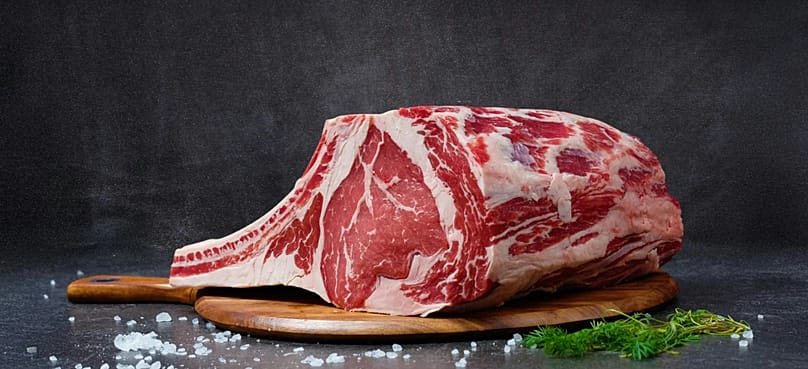
The carnivore diet - eating only meat, fish, eggs and some dairy – resurfaced online this year, with an even stricter version known as the “lion diet”, which limits intake to just beef, salt and water.
Proponents claim it improves skin, gut health and sleep by cutting out “unnatural” foods. Experts strongly disagree.
"I would consider the carnivore diet unbalanced," Dr Bhavini Shah from LloydsPharmacy Online Doctor told Glamour.
“No single food or food group can supply all the nutrients necessary for good health. Consequently, I would not advise a diet like the carnivore diet, even for short-term use."
While meat certainly provides protein, iron and B vitamins, overconsumption has been linked to high blood pressure, high cholesterol, cardiovascular disease and Type-2 diabetes.
A 2025 study by researchers from Mass General Brigham, Harvard University and MIT found cognitive ageing was accelerated by around 1.6 years per average serving of processed red meat.
And replacing one serving of processed meat with nuts or legumes was associated with a 19 percent lower risk of dementia and a 21 percent lower risk of self-reported cognitive decline.
Bottom line: high risk, little evidence, and not recommended.
LED face masks
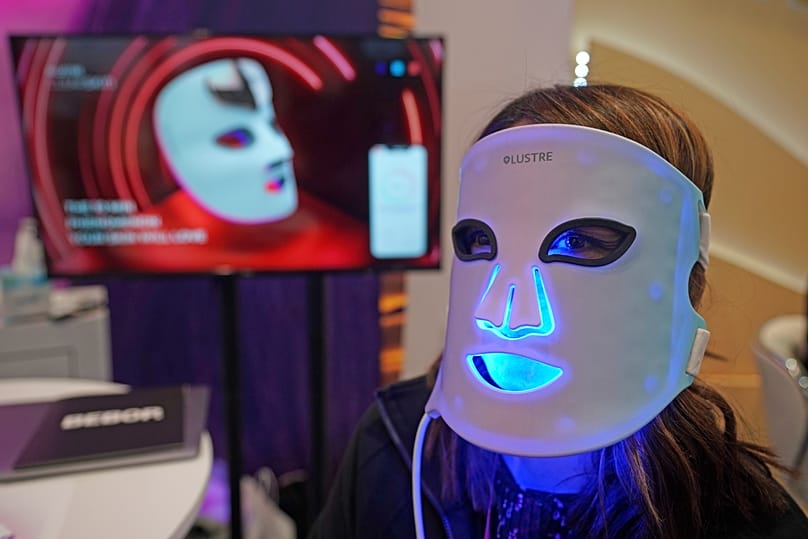
In the world of skin care, it's been impossible to ignore at-home LED masks. These glowing devices - red, blue, or near-infrared - promise users clearer and more radiant skin, all while making them look quite frightening.
"LED technology works by causing the skin to absorb light energy, which then triggers cellular changes in a process known as photobiomodulation (PBM),” consultant dermatologist Dr Jonathan Kentley told the BBC.
"This allows new blood vessels and skin cells to be formed, along with more collagen and elastin. PBM has also been used to treat acne as it has anti-inflammatory effects and reduces the amount of oil in the skin."
But the science isn’t totally settled. Dr Justine Kluk, a dermatologist specialising in acne, told the BBC that while at-home masks "sound promising," mask manufacturers are largely "speculating” about their benefits.
'No one is testing these devices in big enough sample sizes for long enough periods of time for us to feel really confident. So I believe the benefits from using one of these masks are probably very modest," she added.
Experts also warn that at-home masks aren’t as powerful as medical devices. “At-home masks are typically not as effective as in-office treatments,” dermatologist Janiene Luke told Consumer Reports. "That being said, if someone wants to use an LED mask in addition to prescription medications, this can be a good option if used as directed.”
Bottom line: generally considered safe and can be a fun, easy addition to your skincare routine - but don't expect wildly transformative results. They can't replace prescription treatments or a solid regimen.
Functional drinks and coffees
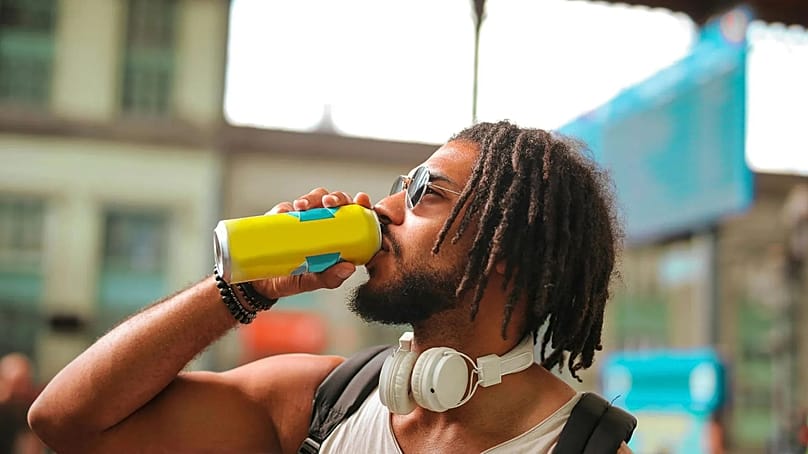
Functional beverages – from mushroom coffees to CBD-infused sparkling drinks promising “calm” or “focus” – went mainstream in 2025, moving from health food shops to supermarket shelves.
The global functional drinks market is expected to reach $248.51 (€212) billion by 2030, according to Grand View Research. Meanwhile, 44 percent of British 18-24-year-olds now choose low or non-alcoholic alternatives, a YouGov survey found.
These drinks often contain ingredients such as ashwagandha, Lion’s Mane, magnesium and L-theanine.
"There is promising evidence for some of these ingredients, though results vary and the research is limited," said Nicole Cucco, a registered dietitian and certified personal trainer at the health app Muscle Booster, told Euronews Health.
"Ashwagandha and L-theanine have shown benefits in randomised trials, particularly for stress, anxiety, or attention. Magnesium is better studied, but supplementation only helps if you’re deficient - if your levels are normal, taking more isn’t likely to make a difference," she said.
"The placebo effect is particularly powerful in this space because mood and focus are subjective experiences,” Cucco explained. "Simply believing a drink will help you relax can genuinely change how your brain perceives stress. That doesn’t mean the products are useless, but it does mean that expectation can often amplify their effects."
"I would urge consumers to pause, look beyond the marketing, and do a bit of research before deciding what to buy," Cucco added.
Bottom line: some benefits for some people - but marketing often outpaces evidence.
Bed rotting
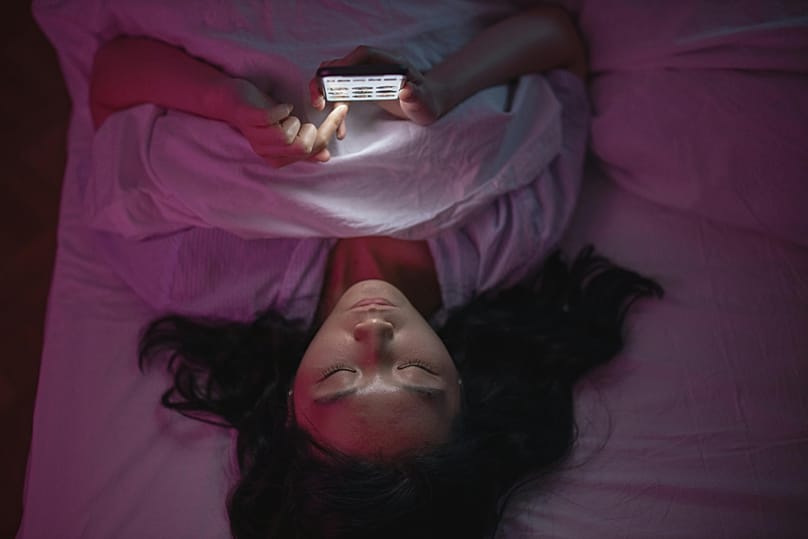
“Bed rotting” is TikTok’s latest answer to burnout: staying in bed for hours on end, not to sleep, but to scroll, snack and binge-watch your way through the day.
It’s especially popular with Gen Z, many of whom say they’re exhausted by work, studying and the constant pressure to be "on". And, in small doses, experts say the appeal makes sense.
"Bed rotting does have its perks," Courtney DeAngelis, a psychologist at NewYork-Presbyterian/Columbia University Irving Medical Center, told the publication Health. In moderation, she said, it can calm the body and help ease stress and exhaustion.
It may also help people feel less guilty about resting. "Our society tends to put too much emphasis [on] and, in some ways, [glorifies] being busy or productive all the time," Nicole Hollingshead, a psychologist and clinical assistant professor at Ohio State University Wexner Medical Center, told Health.
But experts warn that bed rot duration and context matter. "If bed rotting becomes a habitual behaviour, it could potentially be a sign of depression or other mental health issues," said Ryan Sultan, an assistant professor of clinical psychiatry at Columbia University Irving Medical Center/New York State Psychiatric Institute.
Spending long periods in bed can also interfere with sleep. "Simply put, your physical body might be confused at night and won’t know if you are trying to fall asleep or bed rot," DeAngelis said.
Experts also caution against excessive screen use.
"More and more research is pointing to the negative impacts of social media and phone usage on our mental health, particularly young adults’ mental health," Hollingshead said.
Bottom line: short-term rest can be helpful, but frequent bed rotting may disrupt sleep, reduce activity and worsen mental health - moderation is key.
Bovine colostrum supplements
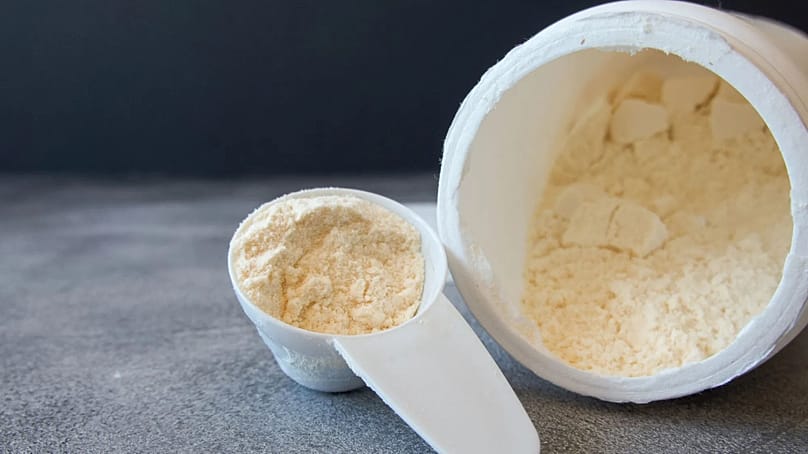
Bovine colostrum – powdered cow’s first milk after giving birth – has been pushed by many on social media this year.
According to Dr Catherine Stanton and Dr Kevin Linehan of Teagasc in Ireland, studies suggest bovine colostrum supplements may offer benefits for adults, "particularly those looking to enhance immunity, protect gut health or improve recovery and skin health”.
However, major gaps in research remain.
There are also ethical concerns about sourcing calf nutrition for supplements, quality control issues in a lightly regulated market, and health risks for people with milk allergies, lactose intolerance, or those who are pregnant or lactating.
Bottom line: promising but poorly regulated, ethically contentious, and definitely not for everyone.
Hydrogen peroxide teeth whitening
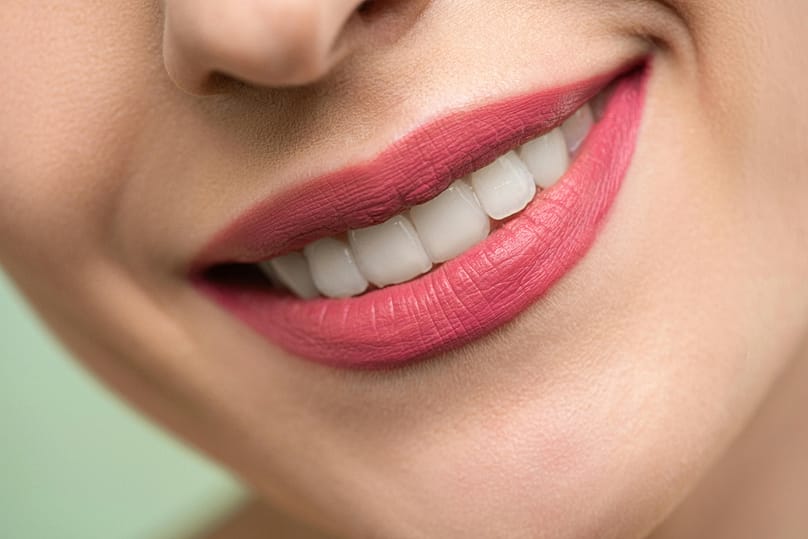
One trend experts are clear about avoiding is DIY teeth whitening with hydrogen peroxide (aka bleach). Videos show users applying 3 percent hydrogen peroxide directly to their teeth with cotton swabs. Yikes.
Hydrogen peroxide is a disinfectant used in cleaning products and wound sterilisation – not for direct oral use. Doing the above can cause severe tooth sensitivity, chemical burns to gums and lips, and in extreme cases, tooth loss or the need for gum grafts.
When used safely, hydrogen peroxide can help with whitening – but only under professional supervision. Probably best not to try this one at home.
Bottom line: unsafe and best avoided entirely.
Olive oil shots
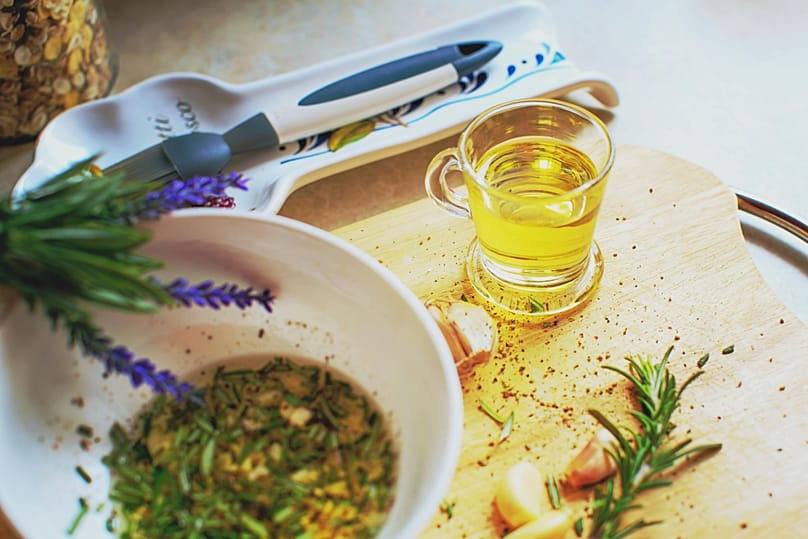
Extra virgin olive oil (EVOO) is widely recognised for its cardiovascular and anti-inflammatory benefits. But some influencers now recommend drinking daily "shots" of it for digestion and skin.
But what do the experts think of this trend? Annie Fenn, author of The Brain Health Kitchen, told Real Simple she prefers consuming EVOO with food. "EVOO not only is inherently healthy on its own, but it also enhances the absorption of nutrients in foods."
"You’re missing out on those benefits if you only consume EVOO in shot form," she said, adding that olive oil helps the body absorb nutrients from vegetables, whole grains, legumes, fish and seafood.
Bottom line: healthy – but best used with meals, not taken alone.
Fibremaxxing
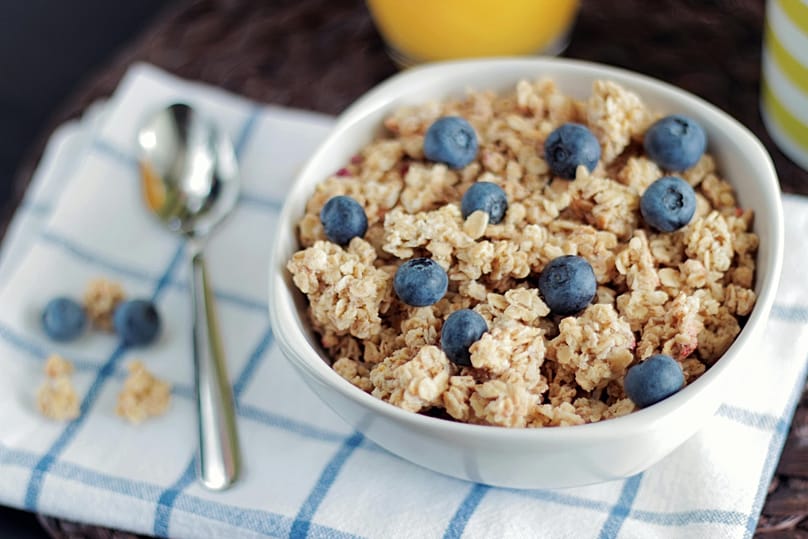
As part of a wider trend of online “maxxing” culture, “fibremaxxing” encourages people to eat as much fibre as possible
The UK's National Health Service recommends 25 grams of fibre per day for women and 38 grams for men, yet most adults consume far less.
"It's been well documented that eating a lot of fibre is associated with lower cholesterol, lower blood sugar, lower inflammation, [and] it protects against colon cancer," Boushra Dalile, a postdoctoral researcher at KU Leuven, told Euronews Health.
A WHO-commissioned study found increasing fibre intake from 25 to 29 grams per day reduced overall mortality and heart disease deaths by up to 30 per cent.
However, increasing your fibre intake too quickly can backfire.
"You might actually feel pain and be constipated because all of a sudden, your system’s bombarded with a lot of things that it just doesn't know how to digest," Dalile warned, adding that drinking plenty of water is essential.
Bottom line: positive – if increased gradually.
The “migraine meal”
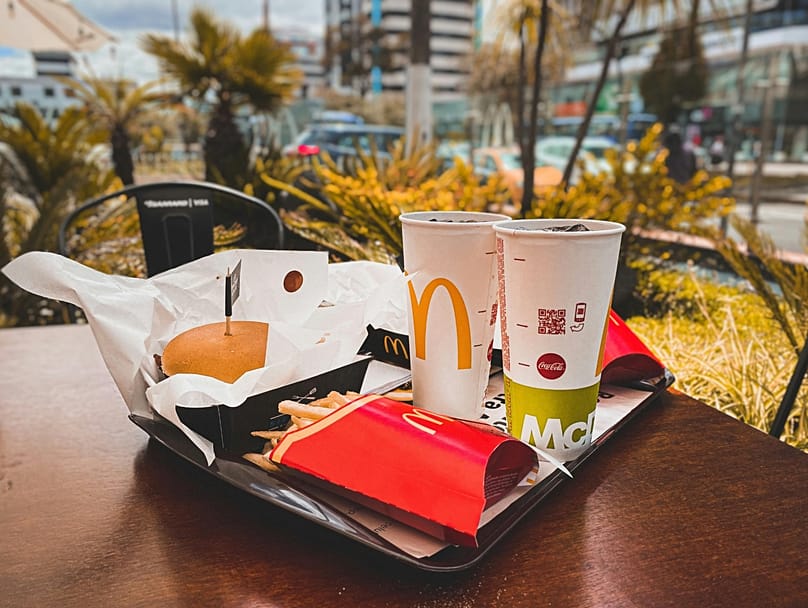
The “migraine meal” - usually a large Coke and fries from McDonald’s - went viral on TikTok and Reddit this year, as a supposed migraine fix.
Experts say there are plausible reasons it helps some people.
Caffeine has pain-relieving effects and enhances common migraine medications, while salt and carbs may stabilise electrolytes and blood sugar. Cravings can also be part of the migraine prodrome.
However, this is not a universal solution. It won't work for everyone. And as we all know, eating McDonald's isn't exactly a healthy habit.
Bottom line: may offer short-term relief for some, but not something to rely on.