





























Weak EU transparency rules have enabled tobacco companies to quietly shape policymaking in Brussels, a new investigation warns.
The European Commission has failed to uphold transparency standards in its dealings with the tobacco industry amid an intense lobbying effort, a new investigation has shown.
 ADVERTISEMENT
ADVERTISEMENT
ADVERTISEMENT
European institutions have held undisclosed meetings with tobacco industry representatives – in apparent violation of their own transparency rules, according to the report by the global tobacco industry watchdog Stopping Tobacco Organizations and Products (STOP) and the French anti-tobacco group Contre-Feu published on Wednesday.
According to the investigation, the tobacco industry has been quietly active in Brussels, seeking to influence a wide range of EU policies – from health legislation to trade agreements.
While such lobbying is meant to be tightly monitored, the evidence suggests enforcement is often lax.
Correspondence seen by Contre-Feu between the European Commission and tobacco companies shows their contact is not always officially recorded.
The EU Commission declared five meetings with the industry between 2023 and 2025. However, the investigation found that officials from the Commission’s Directorate-General for Trade met with industry actors at least three times in 2023 and five times in 2024, none of which appeared on the EU Transparency Register or the department’s website.
Under current rules, senior EU officials and managers must register all meetings with interest group representatives, including the date, participants, and a summary of the discussion, on the Commission’s website.
However, these obligations do not extend to all staff or all types of meetings. Transparency advocates have warned that these loopholes are routinely exploited by the tobacco industry, exposing significant gaps in the Commission’s transparency framework.
The latest report follows a 2021-2023 probe by the European Ombudsman, which also called out the Commission’s lack of transparency following an own-initiative inquiry. The investigation showed that tobacco representatives met not only with senior staff but also with lower-level officials, therefore avoiding the reporting obligations.
The Ombudsman identified further shortcomings, including the Commission’s failure to keep or publish minutes of meetings with tobacco interest representatives and its lack of a systemic way to assess whether such meetings are “strictly necessary.”
EU tobacco control obligations
The tobacco industry's influence in Brussels policymaking has long been questioned.
The EU is part of a global tobacco treaty, the World Health Organization’s Framework Convention on Tobacco Control (WHO FCTC). Since it entered into force in 2005, the EU has been legally bound to respect its rules – including those aimed at protecting public health policymaking from industry interference.
In a recent implementation assessment, the WHO welcomed new EU transparency requirements, which were enacted earlier this year, but warned that the industry could continue to interfere in the legislative process.
“At a time in which there is a strong need to revise tobacco control legislation, it is essential to safeguard policy-making processes from commercial interests,” reads the WHO assessment.
Responding to the investigation, a European Commission spokesperson told Euronews Health that meetings with the tobacco industry are “avoided, unless they are strictly necessary”.
“The Commission does not actively request specific meetings or input from the tobacco industry, but rather takes note of positions communicated by this industry,” the spokesperson said, adding that all meetings are held in a fully transparent manner and are appropriately documented.
PMI at the heart of the influence campaign
The latest investigation also reveals tactics deployed by Philip Morris International (PMI), one of the biggest international tobacco companies, to influence EU trade decisions through emails and meetings with Commission officials.
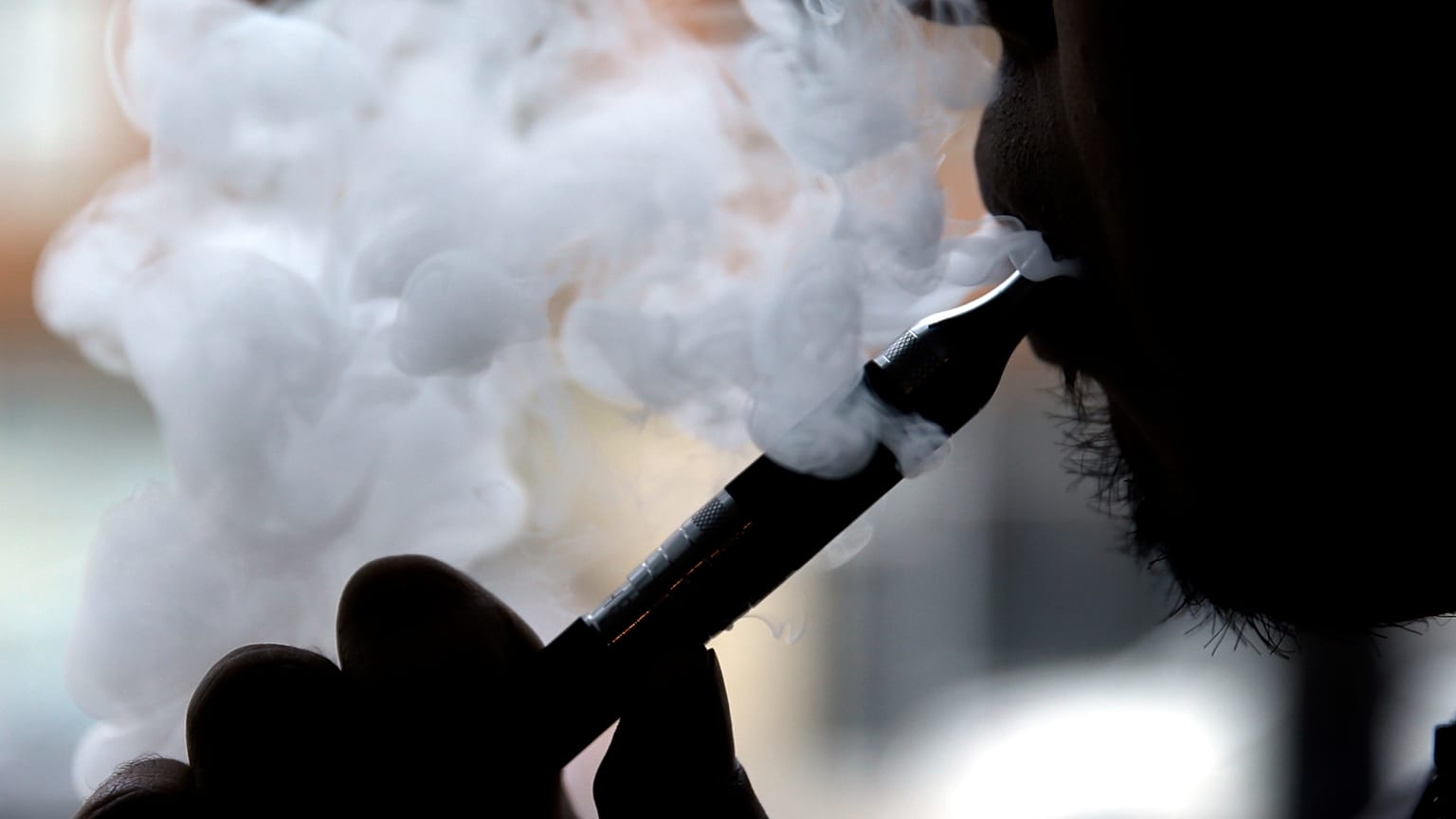
In recent years, industry lobbying has increasingly focused on novel tobacco and nicotine products – such as heated tobacco products, nicotine pouches and vapes – as a safer alternative to traditional cigarettes, which face tighter legislation and social stigma in some countries.
"Like any highly regulated, multi-national company, PMI regularly seeks to share our positions on issues that affect our consumers, our company, and our communities," a PMI spokesperson told Euronews.
"Not only is this type of engagement entirely legal and appropriate, but it is also essential to the type of inclusive policymaking that will lead to better outcomes for the people affected by those policies," they added.
Contre Feu and STOP used freedom of information requests to obtain records from the Commission. They said PMI appears to have sought to influence the debate over bans and taxation of heated tobacco products (HTPs), claiming that such measures could become a trade barrier with non-EU countries.
One example: With Taiwan requiring a health risk assessment of HTPs as part of its anti-smoking legislation, PMI allegedly asked DG TRADE to label it as a trade barrier.
The European Commission told Euronews Health that its Single Entry Point system – which allows companies and trade groups to submit their concerns about specific trade barriers – has received three formal complaints from a tobacco company concerning measures taken by Mexico, Taiwan, and Vietnam.
However, the spokesperson said the Commission did not take any action towards these countries.
“The Commission does not shape, influence, or lobby for specific health policies in third countries on behalf of any industry,” the spokesperson added.
How big is tobacco lobbying in the European Union?
Contre-Feu and STOP had another conclusion: “The tobacco lobby is everywhere, all the time,” they said.
But how big is the industry presence in the EU’s sphere of influence – and how much has it grown over time?
In 2012, the nonprofit Corporate Europe Observatory (CEO) mapped the tobacco lobby in Brussels and identified 31 organisations, 97 full-time lobbyists and a total annual lobbying budget of more than €5.3 million.
The report identified 49 organisations, employing around 139 people, working to influence EU policy. They spend nearly €14 million per year on lobbying activities.
These organisations include PMI, British American Tobacco, Japan Tobacco International, and Imperial Brands as major tobacco producers, as well as consultancies and trade groups that work on their behalf.
This article has been updated to include the comment from PMI.