

























The drug uses antibodies from volunteers vaccinated against botulism to help babies too young to fight the disease on their own.
When Alessandro Barbera was rushed to a US hospital with infant botulism in October, his father had barely heard of the disease, never mind the rare and costly treatment that likely saved the newborn’s life.
 ADVERTISEMENT
ADVERTISEMENT
ADVERTISEMENT
Now, however, Tony Barbera is deeply grateful for BabyBIG, the sole antidote to the paralysing and potentially deadly illnesses linked to contaminated ByHeart infant formula.
“It is hugely remarkable,” said Barbera, 35, whose son is slowly recovering.
The botulism outbreak tied to ByHeart formula has sickened at least 39 babies across in 18 US states since August – and showed the value of the treatment made from blood plasma donated by a small group of scientists and other volunteers.
“This is almost like a miracle,” said Dr Vijay Viswanath, a paediatric neurologist at Children’s Hospital Los Angeles, who has treated several children with botulism during his career – including one in the current outbreak.
“Prior to the discovery of BabyBIG, some of these hospitalisations would take two or three months,” Viswanath said, if infected children recovered at all.
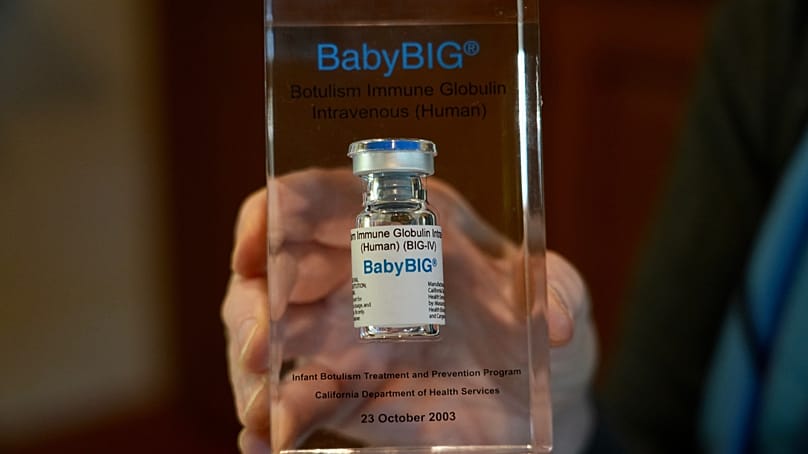
Licensed in 2003, BabyBIG is the brand name for human botulism immune globulin, an IV medication that uses antibodies from volunteers vaccinated against botulism to help babies too young to fight the disease on their own.
Treatment relies on donors
The treatment was the brainchild of the late Dr Stephen Arnon, who was a scientist with the California Department of Public Health. In 1976, Arnon and colleagues identified the rare form of botulism that affects infants younger than 1 – and then spent his 45-year career figuring out how to treat it.
The disease occurs when babies ingest botulism spores that germinate in the intestine and produce a dangerous toxin that attacks the nervous system.
More than 3,700 children worldwide have been treated with BabyBIG since Arnon and his team conducted a pivotal clinical trial in California in 1997 that showed the medication could shorten hospital stays and reduce the need for breathing machines.
Produced in small batches every five years, BabyBIG costs nearly $70,000 (€60,400) per treatment, according to the California Infant Botulism Treatment and Prevention Program, which Arnon founded. Under state law, fees from the sale of the drug are used only to fund the botulism programme.
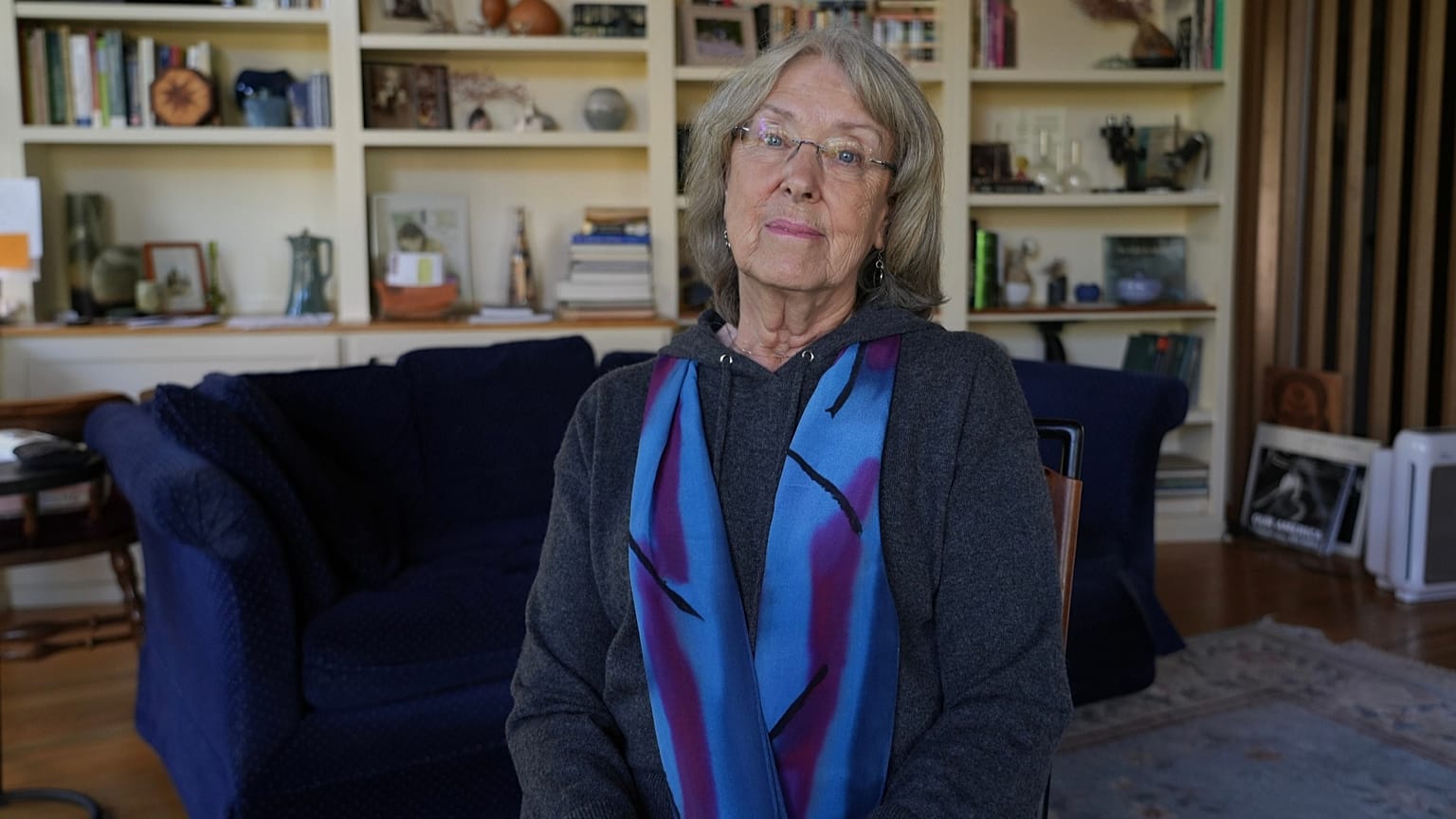
The medication relies on donors like Nancy Shine, a 76-year-old retired biochemist in California who was vaccinated against botulism because she worked with the lethal germ in a lab. Arnon first recruited Shine and other scientists for the BabyBIG project two decades ago because their blood produced high levels of antibodies, the blood proteins that neutralise the botulism toxin.
The early protocol required the volunteers to receive booster doses of an investigational botulism vaccine also used by the US military, and then undergo a procedure that harvests the blood plasma that contains antibodies against botulism types A and B.
“It was not very pleasant to be vaccinated with,” Shine recalled. “There were a lot of side effects, like big welts where you got vaccinated and a little bit of pain.”
Still, Shine contributed to three batches of the antitoxin produced between 2008 and 2019.
“It’s probably the highlight of my career that I actually was able to participate in this project and donate plasma,” Shine said. “We made a product that could save infants’ lives.”
Development faced hurdles
Because infant botulism is rare, with fewer than 200 cases reported in the US each year, finding funding and other resources to develop the BabyBIG treatment took nearly 15 years and $10.6 million (€9.1 million) – and faced substantial hurdles, Arnon noted in a 2007 article.
Today, about 30 people on average provide plasma for each batch of BabyBIG, California health officials said. Batch 8, the latest edition, is being manufactured now at a Takeda Pharmaceutical Co. plant near Los Angeles, according to Giles Platford, president of the company's plasma-derived therapies unit.
The company contracts with California officials to produce BabyBIG on a “not-for-profit basis,” Platford said.
Some of the earliest donors, like Shine, have aged out of the BabyBIG programme, which collects blood from adult volunteers up to age 70. New donors are accepted, but they must enroll in a clinical study directed by the California health department and agree to receive a booster dose of a different investigational botulism vaccine.
California officials estimate they have enough BabyBIG in reserve to last until next summer, based on current projections.
The ByHeart outbreak is part of a worrisome rise of at least 107 infant botulism cases treated in the US since August, said Dr Jessica Khouri, senior medical officer for the state programme.
Shine recently received a booklet filled with photos and letters from families whose children have recovered from botulism after receiving BabyBIG.
“It's really wonderful. I read a couple each day," she said. “Every single one of them makes you want to cry.”