












The mosquito-borne disease is one of the world’s biggest public health challenges.
Malaria cases and deaths rose globally last year amid funding cuts and the “growing threat” of drug resistance, the World Health Organization (WHO) warned in a new report.
 ADVERTISEMENT
ADVERTISEMENT
ADVERTISEMENT
There were an estimated 282 million malaria cases and 610,000 deaths in 2024, about nine million additional cases and 12,000 more deaths than the previous year.
Eleven African countries account for about two-thirds of malaria cases and deaths, and progress in curbing the death rate “remains far off track,” the WHO said.
The uptick in cases in 2024 is “all the more concerning as it doesn’t yet account for the impact of the funding cuts from this year,” Gareth Jenkins, managing director of the nonprofit Malaria No More UK, said in a statement.
Wealthy countries such as the United States, the United Kingdom, Germany, and France have slashed funding for global health programmes, including those to fight malaria.
The WHO said the international aid cuts raise the risk of outbreaks and a resurgence of malaria – but that funding levels were already subpar.
In 2024, global funding for malaria control was estimated at $3.9 billion (€3.4 billion), the report found. That’s down slightly from the year before and far below the $9.3 billion (€8.1 billion) that health authorities say is needed.
Malaria is one of the world’s biggest public health challenges. It spreads to people through mosquitoes infected with a parasite, making it more difficult to eliminate than other diseases that spread between people.
Malaria is also becoming harder to defeat as the disease-carrying parasite evolves, making existing treatments and preventive measures – such as insecticide-treated bet nets – less effective, the WHO warned.
At least eight African countries have reported partial resistance to the drug artemisinin, which the WHO said has been the “backbone” of malaria treatments since the parasite learned to evade chloroquine, a frontline drug until the early 1980s.
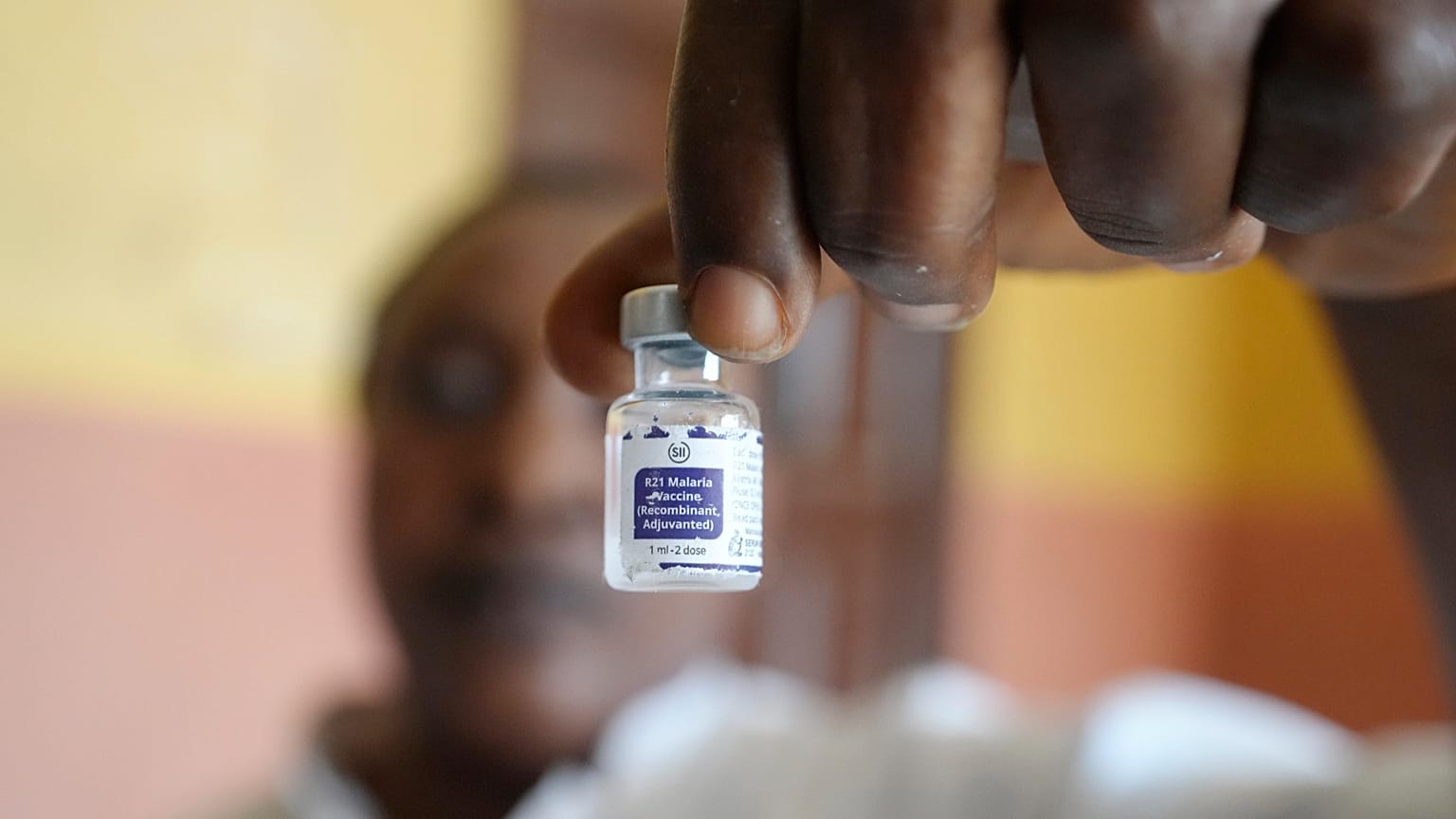
Jenkins called for an increase in global funding to fight malaria, including for new treatments, “next-generation” bed nets, and vaccination campaigns.
“We need leaders not only to understand the scale of a possible malaria resurgence, but to see the potential of malaria science to help countries fight back,” Jenkins said.