




























Teenagers may underestimate the amount of iron they could lose through heavy menstrual bleeding, researchers warned.
Heavy menstrual bleeding and plant-based diets may significantly raise the risk of anaemia among teenage girls, a small new study has found.
 ADVERTISEMENT
ADVERTISEMENT
ADVERTISEMENT
Adolescent girls require more iron due to hormonal changes, and they are also at greater risk of iron deficiency and anaemia as they begin their periods.
The study, published on Wednesday in the journal PLOS One, found that when girls experience heavy periods and follow a meat-restricted diet – ranging from veganism to avoiding red meat – their risk of iron deficiency increases 14 times over.
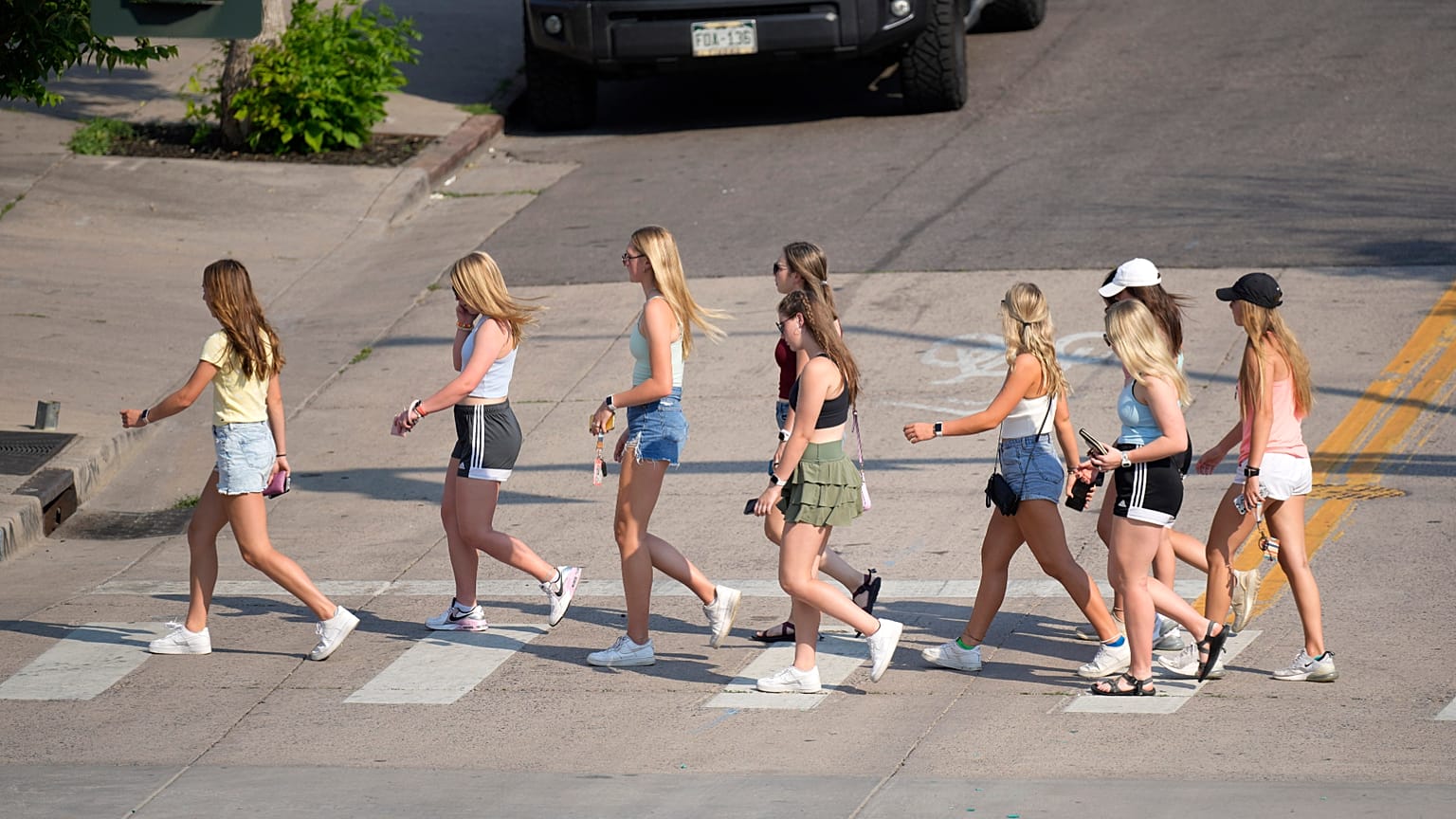
Among the nearly 400 Swedish high school students included in the study, many had iron deficiency, which can cause symptoms such as physical fatigue and cognitive difficulties.
These could affect teens’ academic performance during key developmental years, the researchers said, although the effects are reversible with adequate iron intake.
More than half (53 per cent) of the girls who participated in the study reported heavy bleeding during their periods, meaning they felt a physical, emotional, or social impact caused by their blood loss. For some, this meant avoiding activities such as sports and worrying about staining chairs and sofas.
Heavy menstrual bleeding is common in adolescence and is often linked to cycles where the ovary does not release an egg. However, 22 per cent of the girls in the study were found to have a bleeding disorder - such as von Willebrand disease, a condition where blood doesn’t properly clot- contributing to their symptoms.
The researchers identified a gap in prevention: While girls who choose non-meat diets often take iron supplements, those who eat meat and have heavy periods do not, as they don’t consider blood loss to be a risk.
“Adolescents with heavy menstrual bleeding seem to underestimate the substantial iron loss associated with heavy periods, which is possibly due to difficulties in accurately assessing menstrual blood loss,” the study said.
The study has some limitations, notably the small number of participants and the fact that physical activity, which may reduce iron absorption, was not considered.
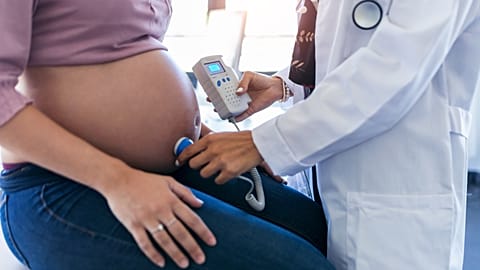
However, the findings indicate teenage years may be an important time to correct iron deficiencies. The researchers warned that iron deficiency is particularly concerning during pregnancy, as it has been linked to long-term problems in cognitive and motor development, premature birth, and a higher risk of postpartum haemorrhage.
Anaemia and iron deficiency can lead to muscular weakness, reduced physical performance, depressive symptoms, and fatigue. Anaemia occurs when red blood cell counts are too low, preventing enough oxygen from reaching organs and body tissue.
At a global health meeting in 2012, countries agreed to reduce the prevalence of anaemia among women of reproductive age (15 to 49 years) by 50 per cent by 2025 – but they later extended the deadline to 2030 as global progress is off track to meet those targets.
In Europe and Central Asia, around 44.8 million women had anaemia in 2023, according to the World Health Organization (WHO).