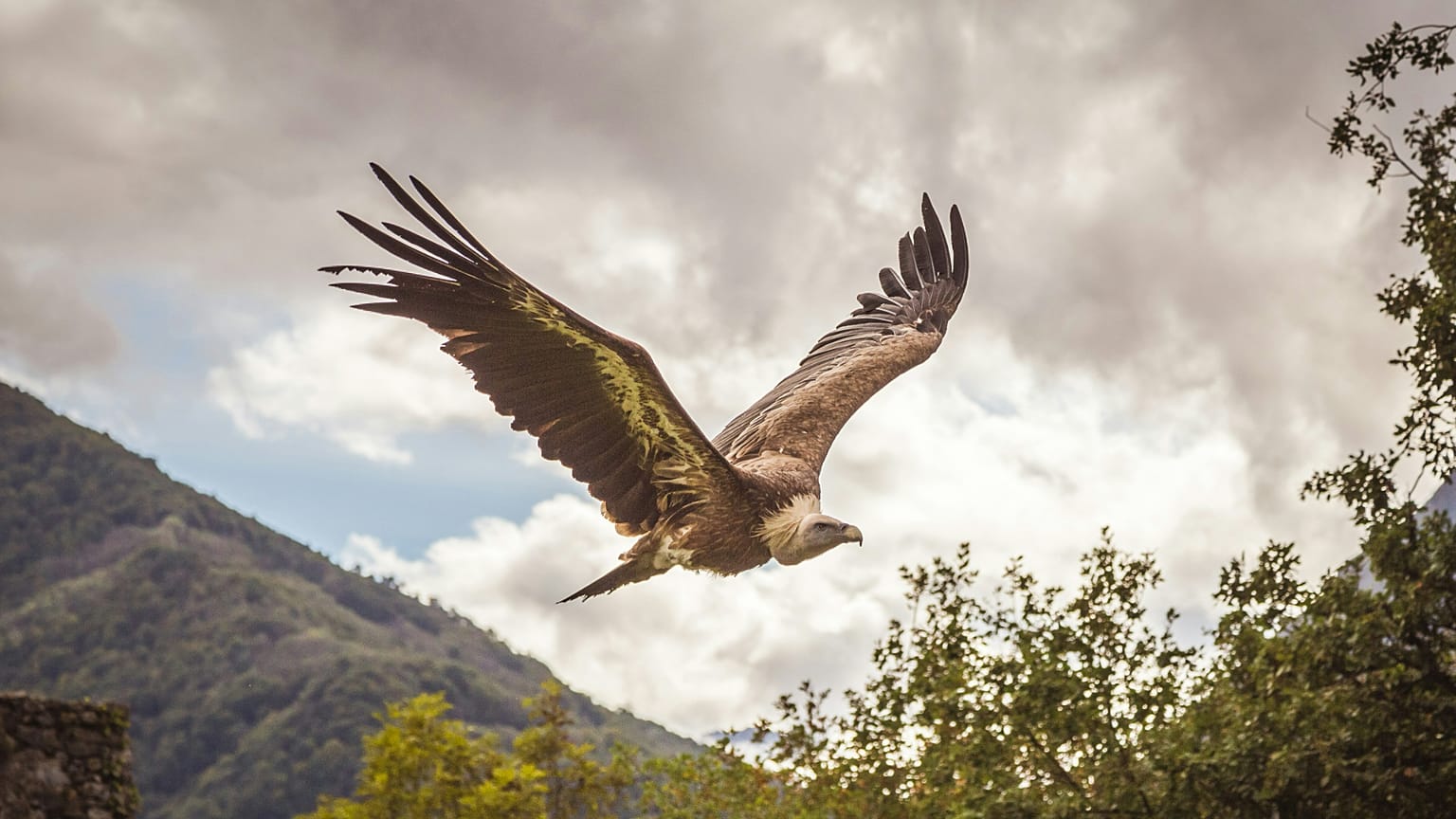













In 2014, Sardinia’s Eurasian griffon vulture population had shrunk to around 60.
Sardinia's griffon vultures were on the brink of extinction at the beginning of 2010.
 ADVERTISEMENT
ADVERTISEMENT
ADVERTISEMENT
The population of the birds had been plummeting due to indirect poisoning, including from pesticides and chemicals ingested by animals they fed on.
But today, the Italian island is home to more than 500 individuals, making it one of Italy’s most impressive conservation success stories.
Sardinia’s griffon vultures risked extinction
In 2014, Sardinia’s Eurasian griffon vulture population had shrunk to around 60, with the colony living solely between Bosa and Alghero on the west coast.
Toxic food sources were the main culprit of their demise, causing them to accidentally ingest pesticides, chemicals and lead shot from scavenged animals like wild boar killed by hunters.
The birds were also targeted by direct culling, despite not posing a threat to humans or livestock.
The decline of the species risked ripple effects in Sardinia’s ecosystem, as griffon vultures ‘clean up’ carcasses, helping to remove potentially dangerous bacteria that could cause infectious diseases in other animals.
Sardinia launches projects to save disappearing griffon vulture population
From 2015 to 2020, a European Commission-funded project began a push to reverse the decline in the griffon vulture population.
The ‘Life Under Griffon Wings’ project focused on the Bosa area, where it worked to increase food availability, reduce disturbances in nesting areas, and raise public awareness.
In 2021, a sister project was launched. ‘Life Safe for Vultures’ will run until the end of 2026 with a budget of over €3 million and the participation of partners including the University of Sassari, the Forestas Agency, the Sardinian Forestry Corps and the Vulture Conservation Foundation.
The scheme has created feeding stations - known as carnai - to ensure a safe and regular food source for the vultures.
It has also improved the safety of power lines - where birds risked electrocution - and raised awareness among hunters about the use of lead-free ammunition to reduce cases of poisoning.
Griffon vultures start to thrive on Sardinia
Beyond improving safety, a key effort of the project has been to release young griffon vultures - many from rescue centres in Spain - back into areas of Sardinia where the species has been absent for decades.
The final 15 individuals arrived from Barcelona in January, according to Italian daily La Repubblica. They are currently acclimatising in an aviary and will be released into the wild later in the year.
The idea is not just to boost the population of griffon vultures, but to increase their distribution across the island, too.
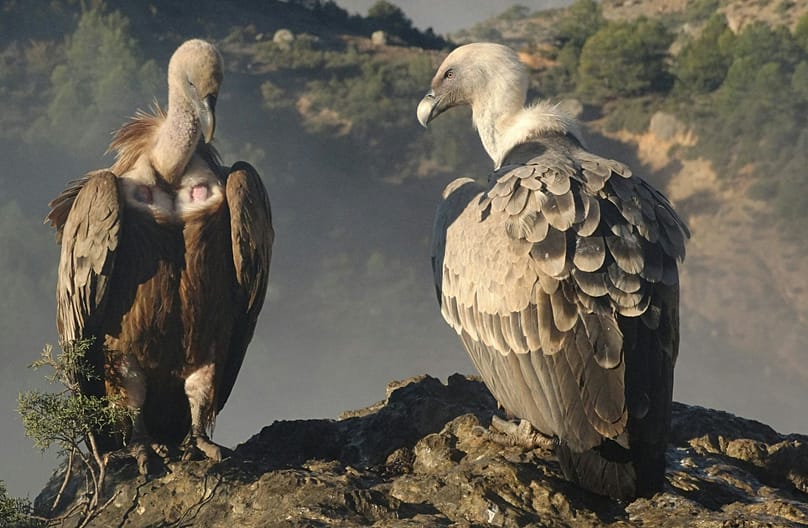
The latest census is testimony to the project’s success. The population of griffon vultures now stands between 516 and 566 individuals, a 21 per cent increase compared to 2024.
While around 60 per cent of individuals still live in Bosa, colonies are growing in central and southern Sardinia, too.
Results from monitoring the species’ reproduction are also positive. In 2025, a total of 120 territorial pairs were counted in northwestern Sardinia, the griffon vulture's only breeding area on the island.
This represents a 14.3 per cent increase on 2024’s numbers, according to Fiammetta Berlinguer, the scientific director of Safe for Vultures.
The number of fledged young has also increased by 15.5 per cent. The researchers also note that restocked individuals and native Sardinian birds have successfully formed pairs.
"The ultimate goal is ambitious: to extend the griffon vulture's range across the entire island, reconnecting the northern populations with new nesting sites in southern Sardinia,” the Forestas Agency told Italian media.