




























The strong preference for humans could lead to the transmission of more viral diseases and adverse health outcomes for people who live in the area.
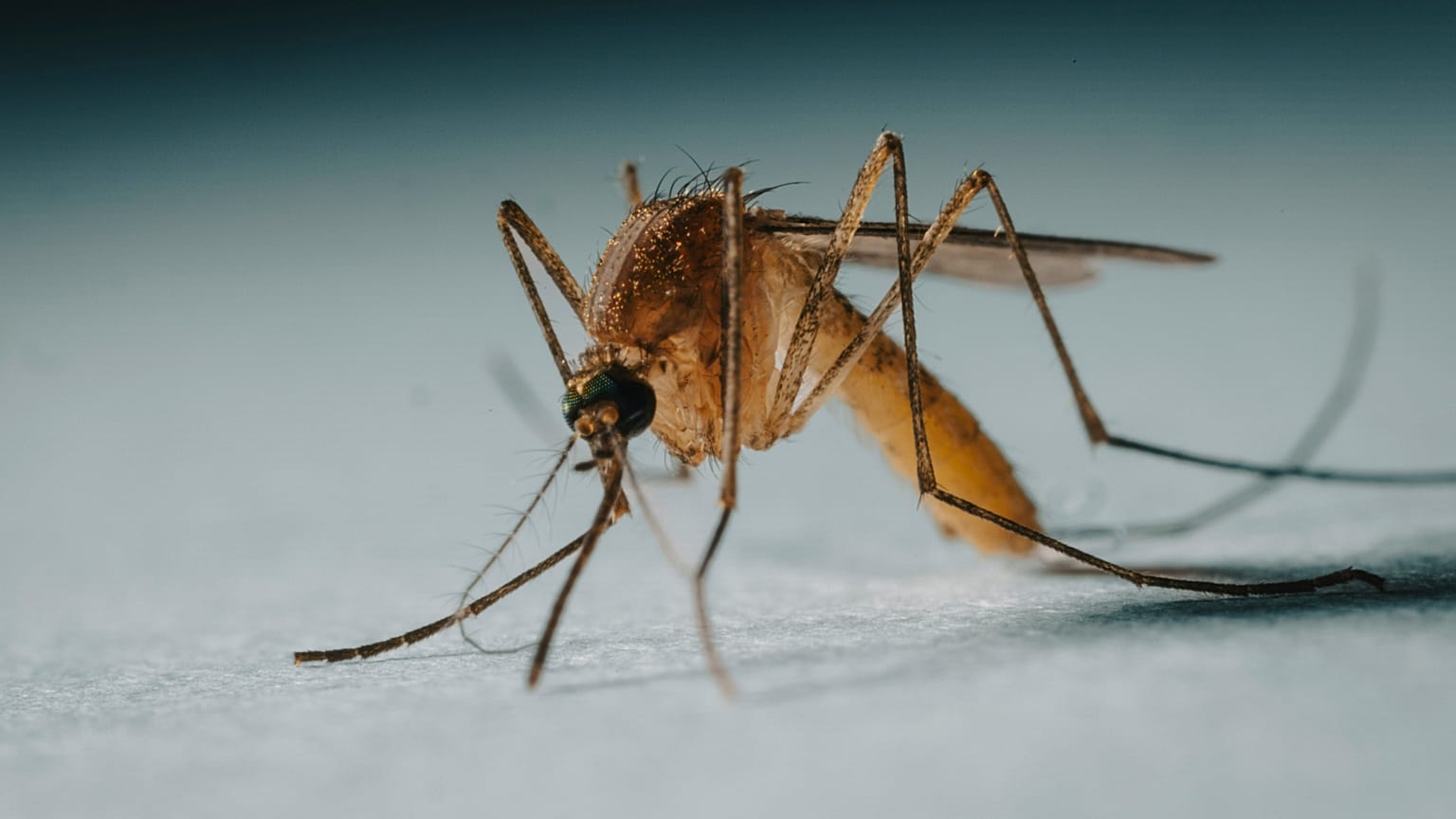
In a forested area along the Brazilian coastline, mosquitoes that previously fed on a variety of hosts are increasingly turning to human blood.
 ADVERTISEMENT
ADVERTISEMENT
ADVERTISEMENT
Scientists say the destruction of the ecosystem’s biodiversity is forcing mosquitoes to find new sources to quench their thirst.
The strong preference for humans could lead to the transmission of more viral diseases and adverse health outcomes for people who live in the area, the researchers said.
Why are mosquitoes increasingly targeting humans as a food source?
Stretching along the Brazilian coastline, the Atlantic Forest is home to hundreds of species of birds, amphibians, reptiles, mammals, and fish. However, due to human expansion, only about a third of the forest’s original area remains intact.
As human presence drives animals from their habitats, mosquitoes are increasingly targeting humans as a food source, a new study published in the journal Frontiers in Ecology and Evolution has found.
“This is crucial [research] because, in an environment like the Atlantic Forest with a great diversity of potential vertebrate hosts, a preference for humans significantly enhances the risk of pathogen transmission,” said co-author Dr Sergio Machado, a researcher who studies microbiology and immunology at the Federal University of Rio de Janeiro.
‘Host availability and proximity are extremely influential factors’
For their study, the researchers used light traps to capture mosquitoes at the Sítio Recanto Preservar and the Guapiacu River Ecological Reserve, two natural reserves in the state of Rio de Janeiro.
In the lab, engorged female mosquitoes were separated for analysis. The researchers extracted DNA from the blood and used DNA sequencing to analyse a specific gene that functions as a unique ‘barcode’ for each vertebrate species.
By comparing these barcodes found in the blood to a database, the researchers could determine which animal the mosquito had fed on.
Out of a total of 1,714 captured mosquitoes belonging to 52 species, 145 females were engorged with blood. Blood meals consumed by 24 of those mosquitoes could be identified and were sourced from 18 humans, one amphibian, six birds, one canid, and one mouse.
The researchers hypothesised that multiple factors could play a role in their preference for our blood.
“Mosquito behaviour is complex,” said senior author Dr Jeronimo Alencar, a biologist at the Oswaldo Cruz Institute in Rio de Janeiro.
“Although some mosquito species may have innate preferences, host availability and proximity are extremely influential factors.”
Studies can help mitigate the risk of mosquitoes transmitting disease
As the Atlantic Forest dwindles and mosquitoes end up feeding more on humans out of convenience, the risk of disease increases.
In the study regions, mosquitoes transmit a variety of viruses – such as Yellow Fever, dengue, Zika, Mayaro, Sabiá, and Chikungunya – which cause diseases that seriously threaten human health and can have long-term adverse consequences.
Investigating mosquito foraging behaviour is fundamental for understanding the ecological and epidemiological dynamics of the pathogens they transmit, the researchers said.
The relatively low rate of engorged mosquitoes – just under 7 per cent – as well as the low percentage of cases in which blood meals could be identified – around 38 per cent – highlight the need for more data-rich studies.
“Knowing that mosquitoes in an area have a strong preference for humans serves as an alert for transmission risk,” Machado pointed out.
“This allows for targeted surveillance and prevention actions,” concluded Alencar. “In the long term, this may lead to control strategies that consider ecosystem balance.”