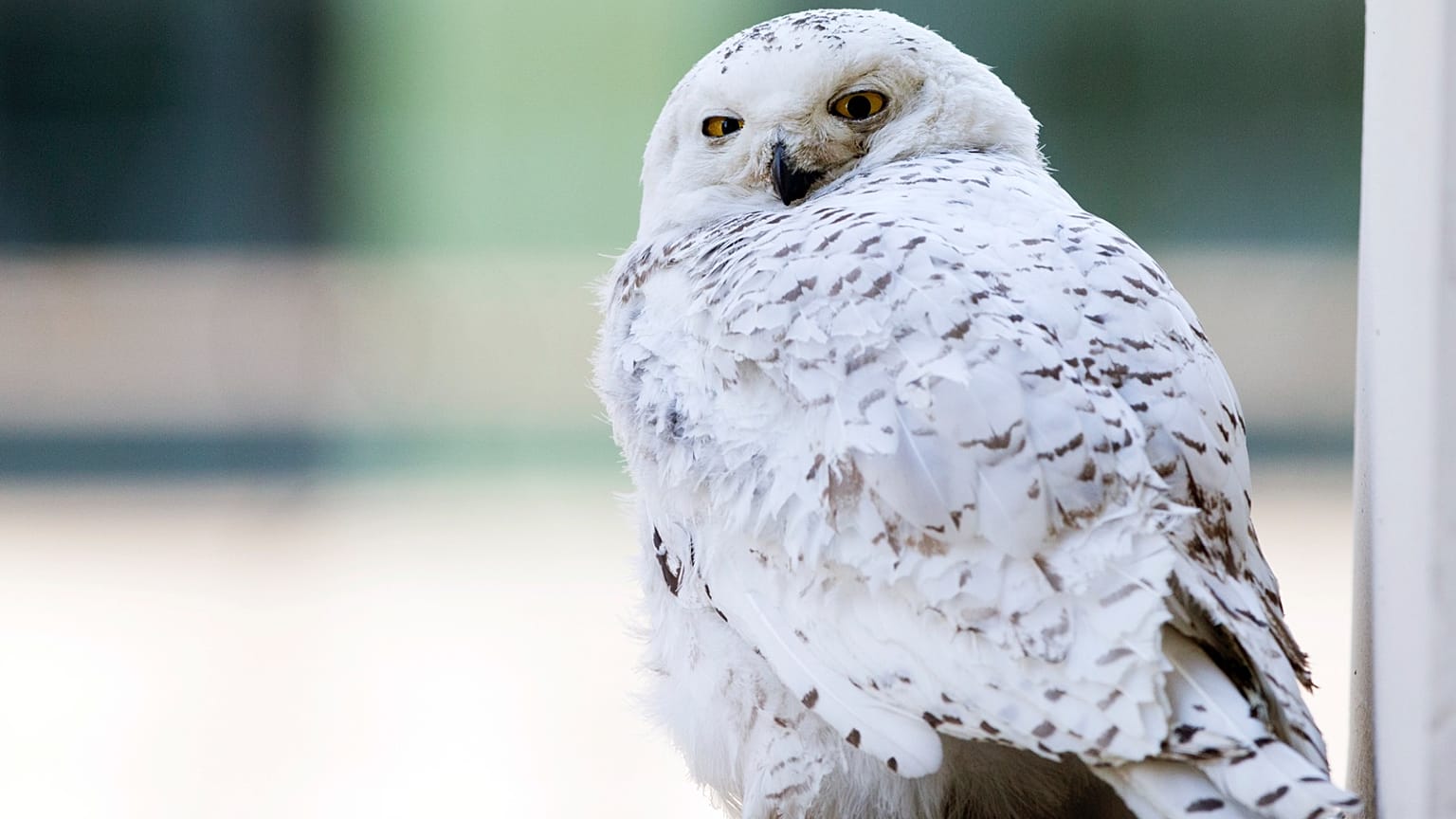













The Snowy Owl has vanished from Sweden, marking the first time in 20 years that the country has officially lost a bird species.
The Snowy Owl is perhaps one of the most iconic birds on the entire planet, but conservationists warn its future hangs in jeopardy.
 ADVERTISEMENT
ADVERTISEMENT
ADVERTISEMENT
Also known as the Polar or Arctic Owl, the species is known for their striking white plumage and bright yellow eyes. They’re incredible hunters, able to dive through layers of deep snow to catch their prey, and can withstand years of living in theharshest of weather conditions.
The Snowy Owl is often associated with the character Hedwig from the Harry Potter franchise, who served as the wizard’s loyal companion and mail carrier. However, in real life, these birds don’t have it so easy.
Snowy Owl declared extinct in Sweden
The International Union for Conservation of Nature (IUCN) classified the Snowy Owl as globally ‘Vulnerable’ in its last assessment back in 2021. It warns that the population has significantly decreased, predicting there are only around 14,000 to 28,000 left in the wild.
The owl has been hunted and killed for years, whether it be for taxidermy or culinary delicacies. Deforestation and human-built infrastructure (such as housing developments and roads) have also destroyed their habitats and disturbed nesting seasons.
In Europe, the owl is actually classed as ‘Least Concern’ - but this assessment hasn’t been updated since 18 December 2020.
In Sweden, Snowy Owls have been breeding irregularly for centuries. According to conservation charity BirdLife International, several hundred pairs of owls raised their young in the country’s mountains during the 1970s.
Their presence became a powerful symbol of Sweden’s northern wilderness. But since 2015, the owls have seemingly vanished.
BirdLife says it has witnessed no new chicks or signs of breeding in the last decade, resulting in the owls being declared Regionally Extinct.
How climate change became the Snowy Owl’s biggest threat
While there have been several factors pushing the owl’s demise, conservationists say the biggest threat is the accelerating climate crisis.
“Warmer winters bring more resin and less snow, destroying the snow tunnels that lemmings – their primary food source – rely on to survive,” BirdLife explains.
“Without these small rodents, the owls cannot survive. And as the Arctic warms, the landscapes Snowy Owls depend on are disappearing too.”
The Arctic is heating up as much as four times faster than the global average, as heat-trapping emissions continue to be released into the atmosphere.
According to the National Oceanic and Atmospheric Administration (NOAA), temperatures across the region from October 2024 to September 2025 were the hottest in 125 years, with the last decade the hottest on record.
The organisation says the disappearance should serve as a warning about how quickly Arctic ecosystems are changing – but argues there is “still hope” the owl will return to Sweden.
“Its future, however, depends on the choices we make and our willingness to protect nature and its inhabitants,” it adds. “The moment is now, nature can’t wait.”