












Polar bears face “total extinction” by the end of this century, but scientists have found a small beacon of “hope”.
Polar bears are rapidly undergoing “fundamental genetic changes” in a desperate attempt to adapt to the climate crisis.
 ADVERTISEMENT
ADVERTISEMENT
ADVERTISEMENT
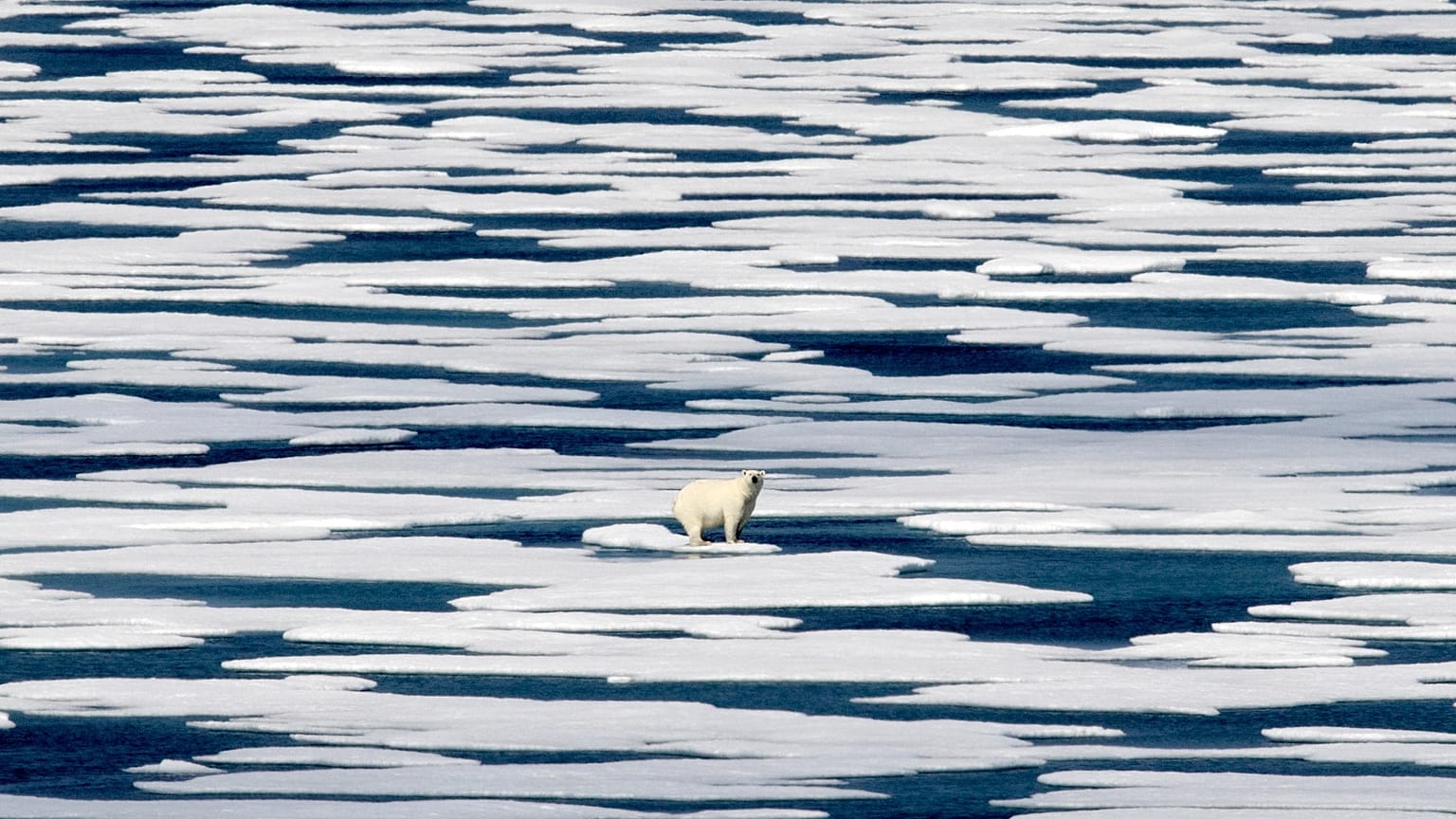
Human-caused climate change is warming the Arctic at an accelerated rate, two to four times the global average. This significantly reduces vital platforms of sea ice that polar bears use to hunt seals, resulting in severe food scarcity and isolation.
As a result, more than two-thirds of polar bears are predicted to become extinct by 2050, with researchers warning of "total extinction” by the end of this century.
However, scientists at the University of East Anglia (UEA) have found that polar bear DNA is playing a “key role” in helping populations adapt to changing climates and diets.
How polar bears are changing their DNA
The study, published in the journal Springer Nature, analysed blood samples from 17 polar bears in northeastern and southeastern Greenland to compare the activity of ‘jumping genes’, their relationship with temperature in the two regions, and changes in gene expression.
Jumping genes are small pieces of the genome that can influence how other genes work.
Researchers found that rising temperatures appeared to have caused a “dramatic increase” in the activity of jumping genes within bears in southeastern Greenland, where temperatures are significantly warmer than in the north.
They argue that these changes in DNA, which can impact a bear’s metabolism and how it deals with heat stress, may signal a “desperate survival mechanism against melting sea ice”.
Changes were also found in gene expression areas of DNA linked to fat processing, which is important when food is scarce.
The study argues this could mean that the southeastern bears are slowly adapting to the rougher plant-based diets that can be found in the warmer regions, compared to the mainly fatty, seal-based diets of the northern population.
Are polar bears still at risk of extinction?
Lead researcher Dr Alice Godden says the findings provide a “genetic blueprint” for how polar bears might be able to adapt quickly to climate change, arguing they should shape the focus of future conservation efforts.
“However, we cannot be complacent,” Dr Godden adds. “This offers some hope, but does not mean that polar bears are at any less risk of extinction.
“We still need to be doing everything we can to reduce global carbon emissionsand slow temperature increases.”
The study concludes that the next step would be to look at other polar bear populations to analyse the genomes of the species “before it’s too late”.