
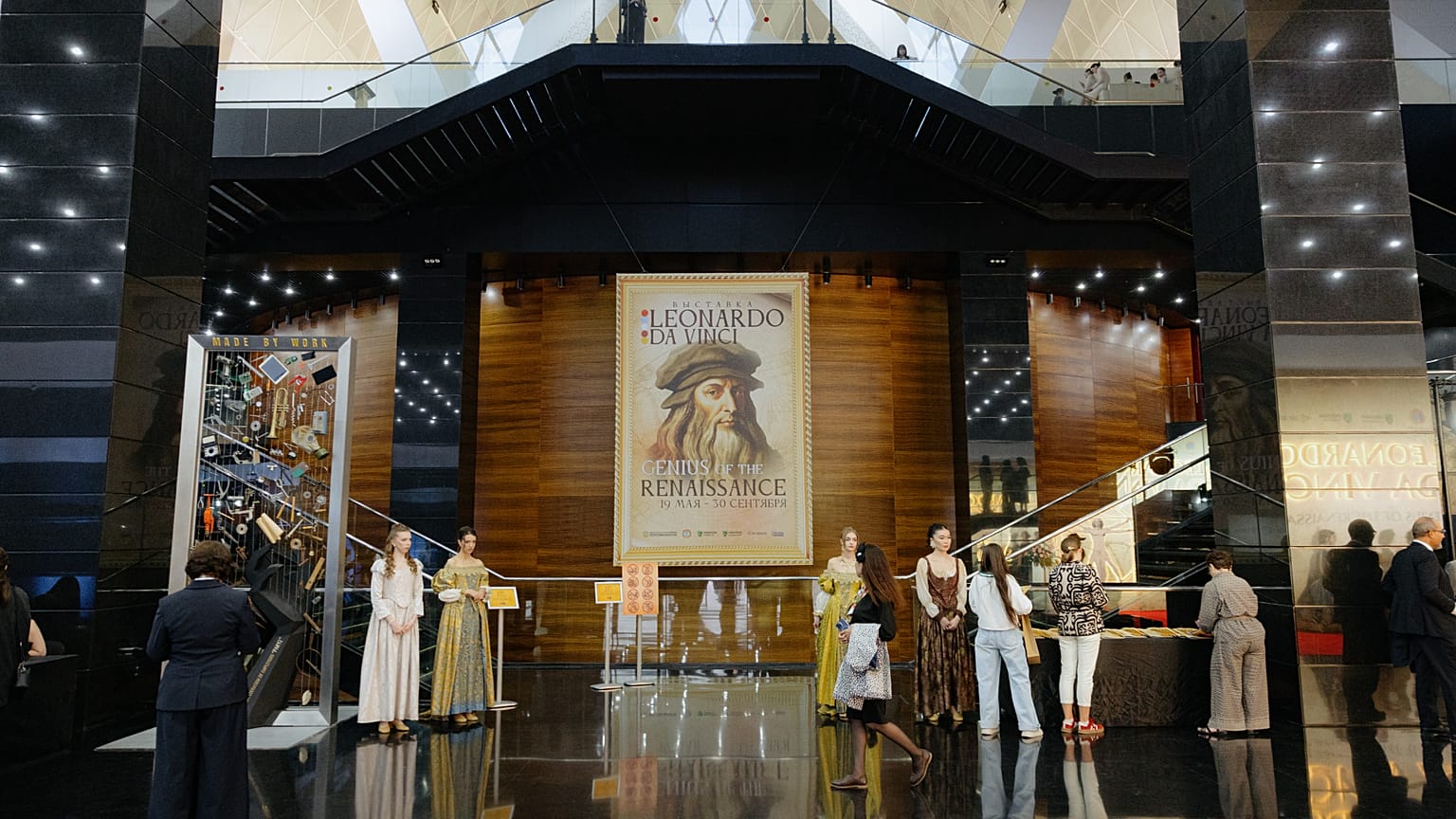














An exhibition dedicated to the inventions of Leonardo da Vinci has opened in Astana, offering visitors a chance to explore the ideas of one of history's most influential inventors, artists and scientists.
The exhibition "Leonardo da Vinci: Genius of the Renaissance" has opened in Astana, bringing together more than 40 life-size mechanical models reconstructed from the Renaissance master's original drawings and notes.
 ADVERTISEMENT
ADVERTISEMENT
ADVERTISEMENT
The exhibits were brought to Kazakhstan from museums in Rome and Florence and recreated using surviving manuscripts known as the Vinci Codices.
"During his lifetime, Leonardo da Vinci wrote more than 20,000 pages of manuscripts, of which around 7,000 survive today," said Narima Mukhambetalina, director of the exhibition. "These preserved writings have allowed specialists to reconstruct mechanical devices based on his drawings."
Spread across nearly 3,000 square metres inside the Palace of Peace and Reconciliation, the exhibition is organised into thematic zones dedicated to air, water, earth and fire.
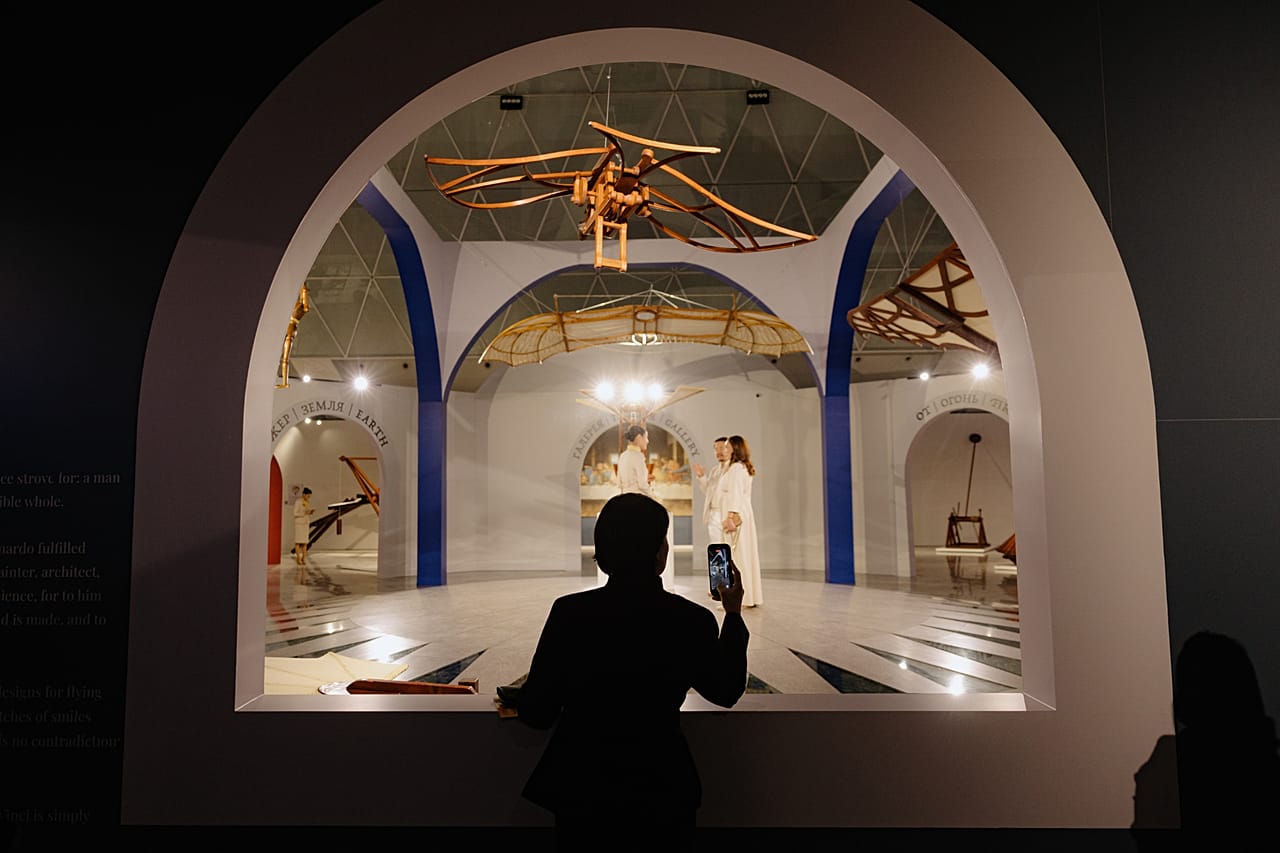
The layout reflects Leonardo’s lifelong fascination with the forces of nature and demonstrates how he transformed observation into engineering solutions centuries ahead of their time.
Among the highlights are early flying machines, military devices and engineering mechanisms that anticipated technologies developed hundreds of years later.
Visitors can see Leonardo’s famous aerial screw, widely regarded as a precursor to the modern helicopter, as well as his parachute design, which reflected his studies of flight and air resistance.
The exhibition also showcases the inventor’s vision of military technology. One of the most popular displays is an armoured vehicle inspired by the shape of a turtle shell.
Leonardo envisioned the machine as a moving fortress capable of protecting soldiers while advancing across the battlefield.
Other exhibits reveal Leonardo’s interest in automation and mechanics. They include a self-propelled cart, often described as an early concept of the automobile, as well as mechanisms such as ball bearings, gears and transmission systems that continue to influence engineering today.
"Visitors are often most surprised by the fire zone, where military machines are on display," says tour guide Dilnaz Zholdaskhanova. "Another area that attracts a lot of interest is the air zone, including a parachute and the aerial screw."
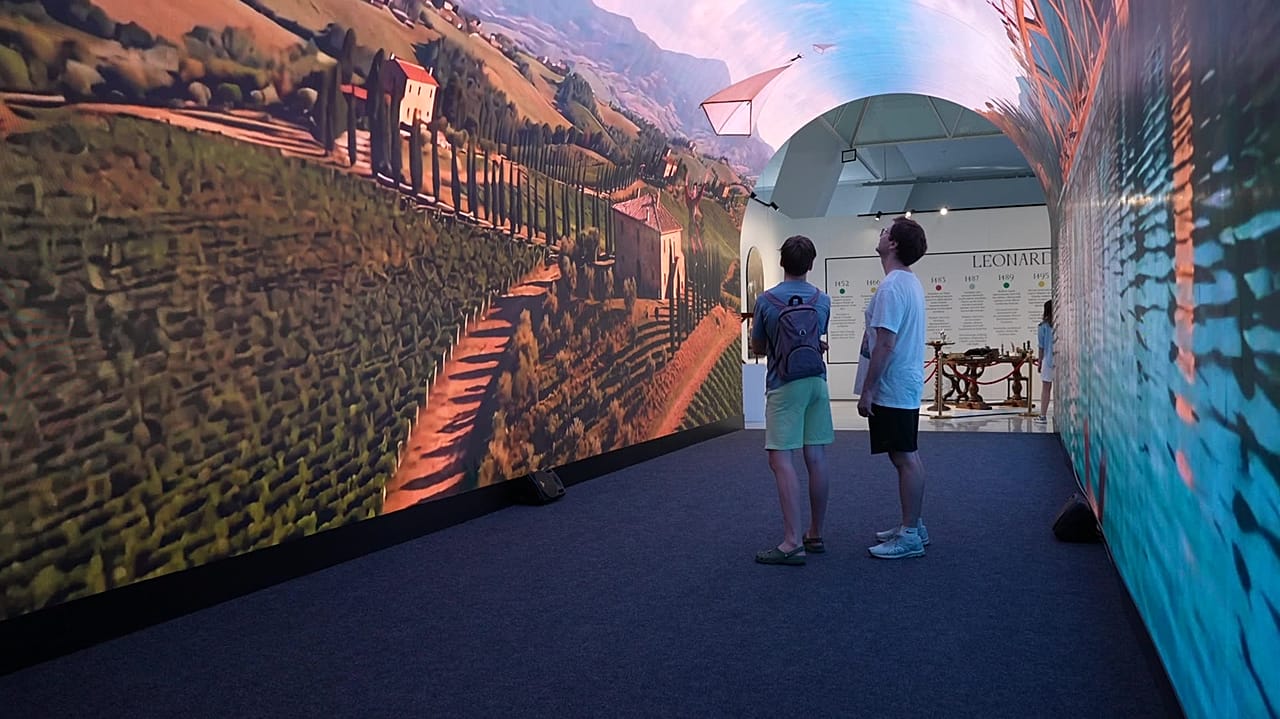
Historical models are complemented by modern technology. LED tunnels, digital projections and holographic installations help visitors visualise Leonardo's ideas and understand how his inventions were intended to work.
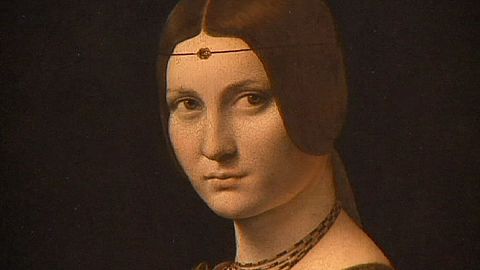
Digitised versions of his most famous artworks, including the Mona Lisa, are also featured as part of the experience.
According to organisers, the exhibition has attracted strong interest from younger visitors thanks to its interactive format, which allows guests to engage directly with many of the exhibits.
The exhibition is on at the Palace of Peace and Reconciliation in Astana until 30 September 2026.